
As a bearing factory owner, I’ve seen ships return to port with seized machinery. The culprit? Often, it’s bearing failure from relentless corrosion in harsh marine environments. The right bearing choice is not just about load capacity.
Spherical roller bearings are valued for their self-alignment and high load capacity, but their use in marine and offshore equipment demands special attention to corrosion resistance. Common bearing steels can rust quickly in saltwater, leading to premature failure. This article explores the material and design considerations essential for reliable performance at sea.
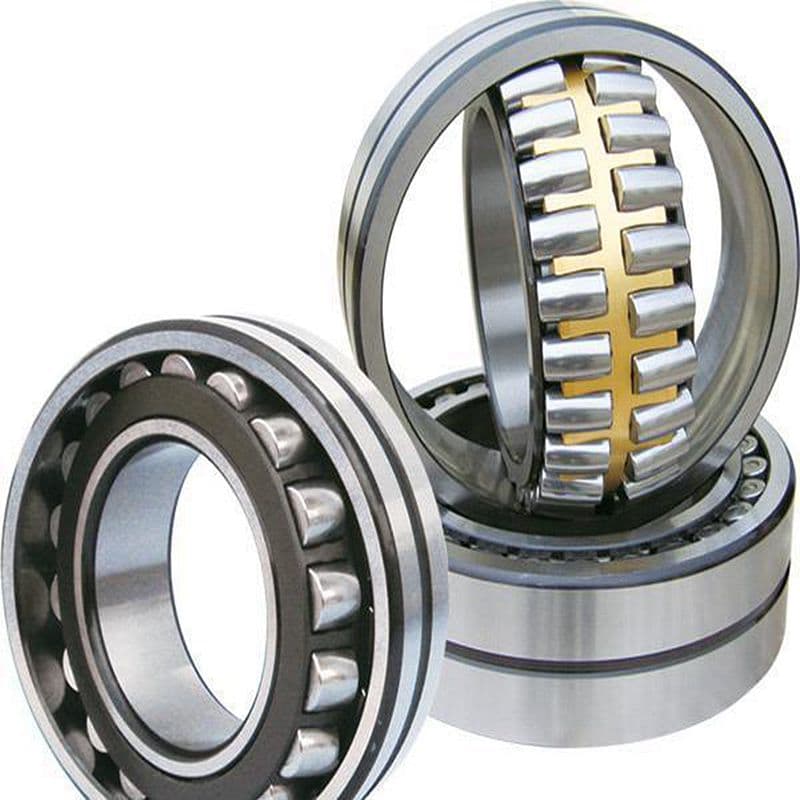
Choosing bearings for the sea is different. The constant threat of saltwater spray, high humidity, and corrosive chemicals means standard solutions often fail. We will look at the limitations of these bearings, the standards that guide their manufacture, and the materials that can withstand the ocean’s challenges. For anyone importing or specifying bearings for ships, oil rigs, or port machinery, this knowledge is crucial.
What are the disadvantages of spherical roller bearings?
No component is perfect, and understanding the weaknesses is key to good engineering. In my talks with distributors like Rajesh in India, we often discuss application limits to prevent costly failures. Spherical roller bearings have clear drawbacks in certain conditions.
The main disadvantages of spherical roller bearings include higher friction1 and lower speed limits2 compared to ball bearings, sensitivity to misalignment3 during installation, and generally higher cost4. For marine use, their complex internal geometry5 can also trap corrosive agents6, accelerating wear if seals fail or materials are unsuitable.
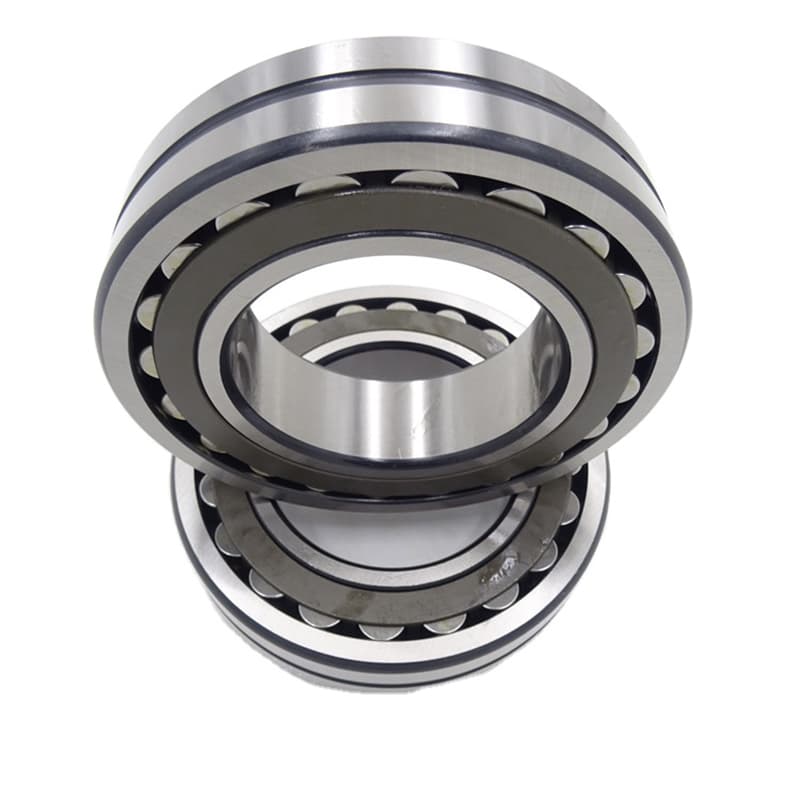
A Closer Look at the Trade-offs
Spherical roller bearings are engineering marvels for handling heavy, misaligned loads. But their design comes with inherent compromises. Let’s break down these disadvantages, especially through the lens of marine and offshore use.
First, let’s talk about speed and friction. The rolling contact in a spherical roller bearing is between rollers and raceways. This contact area is larger than in a ball bearing. A larger contact area is good for carrying heavy loads. But it also creates more friction. More friction means more heat is generated. In high-speed applications, this heat can build up quickly. Excessive heat can break down the lubricant. It can also cause thermal expansion of the bearing components. This expansion can lead to clearance issues and premature failure. Therefore, spherical roller bearings have a lower maximum operating speed than similar-sized ball bearings. On a ship, a high-speed pump might be better served by a different bearing type.
Second is the issue of misalignment. It’s true these bearings are "self-aligning." This is their biggest advantage. But this capability has a context. It compensates for static misalignment caused by housing deflection or shaft settling after installation. It is not a fix for poor installation. If the bearing is mounted on a severely misaligned shaft during assembly, the internal components will be stressed. This stress leads to uneven load distribution, noise, and early fatigue. The correct installation alignment is still very important.
Finally, the cost and complexity factor in. The internal design with a spherical outer ring raceway and barrel-shaped rollers is complex to manufacture. This complexity drives up the unit cost. For a procurement manager budgeting for a large project, this is a real consideration. Furthermore, this complex internal geometry5 has more nooks and crannies. In a corrosive environment, if water or salt mist penetrates a damaged seal, it can settle in these areas. It becomes difficult for the lubricant to flush it out. This creates localized pitting and corrosion7 sites.
| Disadvantage | Root Cause | Impact in Marine Environment |
|---|---|---|
| Higher Friction & Heat | Larger roller-raceway contact area | Lubricant degradation, risk of seizure in high-speed auxiliaries. |
| Speed Limitation | High friction and heat generation | Not suitable for very high-speed shafts (e.g., some turbine drives). |
| Installation Sensitivity | Misalignment compensation is for static, not dynamic, errors | Poor installation still causes uneven wear and vibration. |
| Cost | Complex internal geometry and manufacturing process | Higher initial investment per bearing unit. |
| Corrosion Traps | Complex internal geometry with cavities | Salt/moisture ingress leads to hidden, accelerated corrosion. |
For marine applications, the last point is critical. A standard spherical roller bearing made from common chrome steel (like SAE 52100) is a liability in salt air. The solution isn’t to avoid spherical rollers but to select ones built for the challenge—with superior sealing, proper lubrication, and, most importantly, corrosion-resistant materials.
What is the ISO standard for spherical roller bearings?
Standards create a common language between factories, distributors, and end-users. When Rajesh places an order from India, he references ISO numbers to ensure we are talking about the exact same product. This eliminates costly mistakes.
The primary ISO standard for spherical roller bearings is ISO 15:20171, which defines boundary dimensions and tolerances. For internal clearance, ISO 5753-1:20092 is key. For marine durability, material standards like ISO 683-17 for stainless steels and sealing standards like ISO 61943 are critically important.
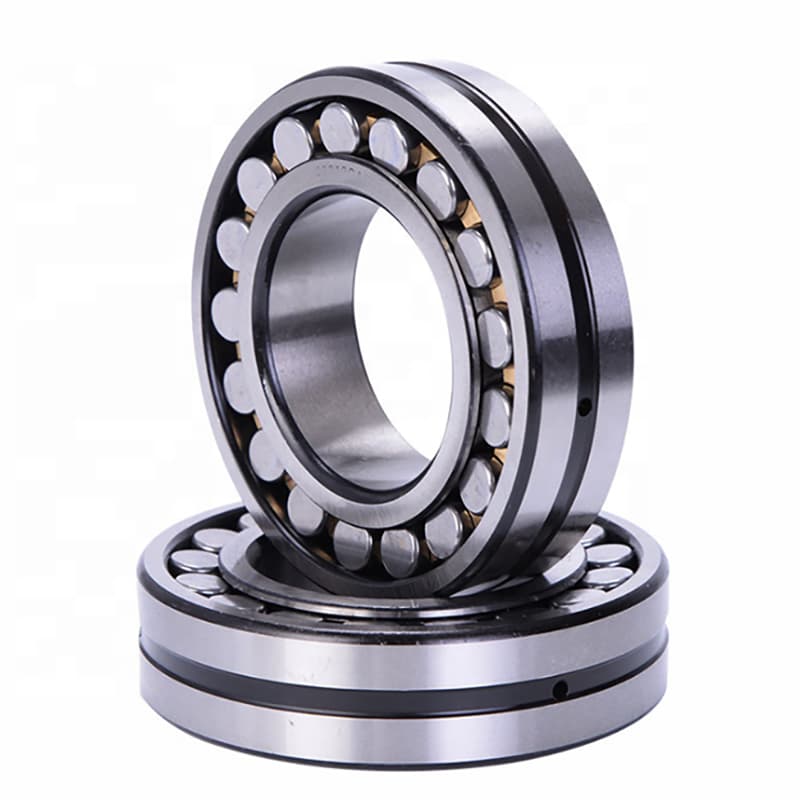
Decoding the Standards for Reliability
ISO standards are not just paperwork. They are the blueprint for interoperability and performance. For a bearing importer supplying critical marine parts, understanding these standards is part of due diligence.
ISO 15:20171 – "Rolling bearings — Radial bearings — Boundary dimensions, general plan" is the foundation. This document answers the basic question: "What size is it?" It standardizes the bore diameter, outside diameter, and width for a given bearing series (e.g., 213 series, 222 series). When a shipyard in Vietnam specifies a "22220 CC/W33" bearing, ISO 15 ensures that the bearing we make in our factory and the one from another manufacturer will have identical mounting dimensions. This allows for replacement without machining the housing or shaft.
But dimensions are only the start. Internal radial clearance is vital for bearing life, especially where temperature variations are large. A bearing installed with too little clearance can become preloaded and overheat as the shaft expands. ISO 5753-1:20092 defines the standard clearance groups (C2, CN, C3, C4, C5). For marine gearboxes exposed to sun and sea, a C3 or C4 clearance4 is often specified to accommodate thermal expansion.
For corrosion resistance, material standards are paramount. ISO 683-17:20145 specifies the technical delivery conditions for stainless bearing steels. A bearing made from steel defined in this standard (like the common martensitic stainless AISI 440C) offers significantly better corrosion resistance than standard high-carbon chrome steel. Some manufacturers also use ISO 3290-1 for ceramic rolling elements6 (like silicon nitride), which are inert and do not corrode.
Sealing is the first line of defense. ISO 61943 series covers radial shaft seals. While not specific to bearings, seals designed to this standard ensure consistent lip geometry, material quality, and performance metrics. A spherical roller bearing with an "RS" or "2RS" designation should use seals that meet these rigorous standards to effectively keep seawater out and grease in.
| Key ISO Standard | What it Governs | Why it Matters for Marine Use |
|---|---|---|
| ISO 15:20171 | Boundary dimensions (bore, OD, width) | Ensures interchangeability and easy replacement in global ports. |
| ISO 5753-1:20092 | Internal radial clearance (C2, CN, C3, etc.) | Allows for correct selection to handle shaft expansion from temperature swings. |
| ISO 683-17:20145 | Stainless steel grades for bearings | Defines material properties for corrosion-resistant bearings. |
| ISO 61943 Series | Radial shaft sealing elements | Sets benchmarks for seal effectiveness against water and contaminant ingress. |
| ISO 281:20077 | Dynamic load ratings and rating life (L10) | Provides a calculated life expectancy, though marine life is often shorter due to corrosion. |
A final note: ISO standards define minimum requirements. At our factory, for export to harsh environments, we often build bearings that exceed these standards. For example, we might use a premium marine-grade grease8 not specified by ISO, or apply a supplemental corrosion-inhibiting coating. The ISO code is the starting point for the conversation about quality.
What is the HS Code 848230001?
In the world of international B2B trade, the HS Code is the passport for goods. Getting this code wrong can lead to customs delays, incorrect tariffs, and frustrated customers. I make sure our shipping department always uses the correct code.
HS Code 848230001 is the Harmonized System code used globally for classifying "Spherical roller bearings2" for customs declarations and trade statistics3. This specific code falls under the broader category of "ball or roller bearings," ensuring accurate application of import duties and streamlined customs clearance.
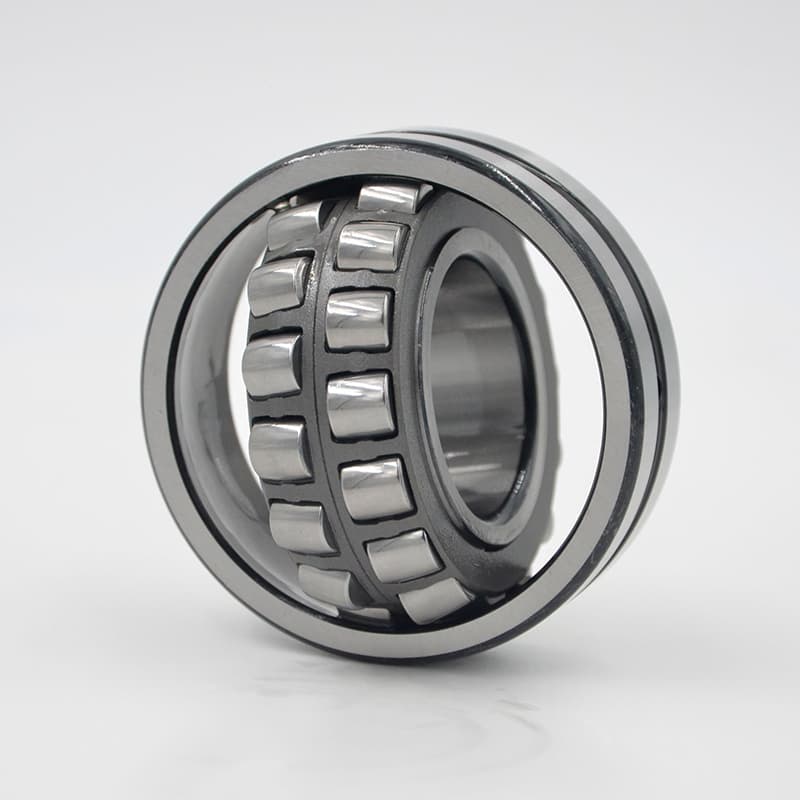
The Business Essentials of HS Code 84823000
For an importer like Rajesh’s IndoMotion Parts, the HS Code is a daily business tool. It’s not an engineering spec, but it directly impacts cost, logistics, and market intelligence. Understanding its structure is practical knowledge.
The Harmonized System (HS)4 is a 6-digit standardized numerical method developed by the World Customs Organization (WCO). It is used by over 200 countries to classify traded products. The first six digits are universal. Countries can add more digits for further detail. Let’s break down 848230:
- 84: Chapter for "Nuclear reactors, boilers, machinery and mechanical appliances; parts thereof."
- 8482: Heading for "Ball or roller bearings."
- 848230: Sub-heading specifically for "Spherical roller bearings2."
The trailing digits (like the "00" in 84823000) are often country-specific. For example, the U.S. uses a 10-digit code where 8482300000 might signify additional details.
Why is this code so important for you as a buyer or distributor?
- Determines Import Duty Rates: The customs authority of the destination country uses the HS Code to look up the applicable tariff rate. Spherical roller bearings2 (84823000) may have a different duty rate than, say, deep groove ball bearings (84821000). An accurate code prevents underpayment (which leads to fines) or overpayment (which hurts your profit).
- Streamlines Customs Clearance: Providing the correct HS Code on commercial invoices, packing lists, and the bill of lading allows customs officials to process the shipment quickly. An incorrect code triggers manual inspections, which cause delays and incur storage fees at the port.
- Tracks Market Data: Governments use HS Code data to compile trade statistics3. As an importer, you can use this data to analyze market trends, see the volume of bearings coming into your country, and identify competitor activity.
- Ensures Compliance: Some countries have import restrictions, sanctions, or require special licenses for certain HS Codes. Using the correct code ensures you are compliant with all regulations.
For marine-grade spherical roller bearings, the HS Code remains 84823000. The material (stainless steel) or special features (seals, coatings) do not typically change the fundamental classification at the 6-digit level, though they may affect the extended national code. When you request a proforma invoice from us, this code will be clearly stated. It’s a small detail on a document, but it is critical for getting your container from our factory door to your warehouse in Mumbai without expensive hiccups.
Which bearing material has less resistance to corrosion?
Material selection is the single most important decision for fighting sea corrosion. I’ve conducted salt spray tests1 in our lab, and the difference between materials is dramatic. Choosing wrong here guarantees premature failure.
Standard high-carbon chromium steel2 (like SAE 52100 or ISO 100Cr6) has the least resistance to corrosion among common bearing materials. In humid or salt-laden environments, it rusts quickly without constant protection. For marine use, martensitic stainless steels3 (e.g., AISI 440C), polymer composites4, or ceramic hybrids are far superior choices.
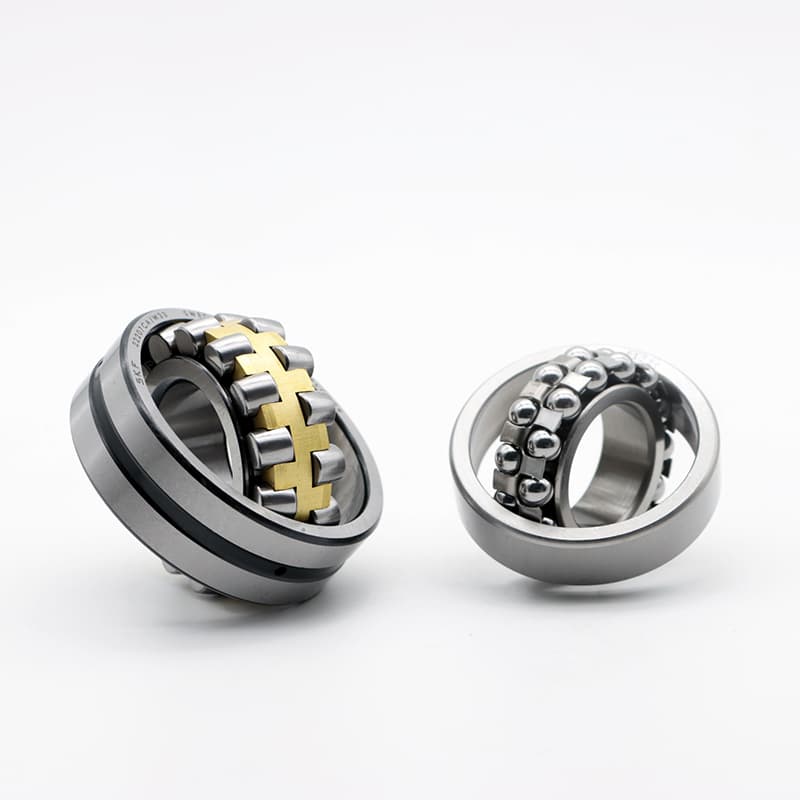
Navigating the Material Landscape for Marine Duty
"Bearing steel" is not one material. It’s a family of alloys, each with a different balance of hardness, toughness, and corrosion resistance. The most common, cost-effective bearing steel is also the most vulnerable to the marine environment. Let’s explore the hierarchy of corrosion resistance.
The Baseline: High-Carbon Chromium Steel (SAE 52100)
This is the workhorse of the bearing industry. It is alloyed with about 1% carbon and 1.5% chromium. This composition gives it excellent hardness (up to 64 HRC) and wear resistance after heat treatment. However, its chromium content is too low to form a stable, self-healing "passive layer" of chromium oxide. When exposed to moisture and chloride ions (from salt), it corrodes readily through electrochemical reactions. The resulting rust (iron oxide) is abrasive. It contaminates the lubricant and acts like grinding paste, accelerating wear. In any marine application where the seal is not perfect or the environment is highly aggressive, 52100 steel is a poor choice.
The Marine Standard: Martensitic Stainless Steel (AISI 440C)
This steel contains a minimum of 13% chromium. This high chromium content allows it to form a thin, inert, and adherent chromium oxide layer on its surface. This layer protects the underlying steel from further oxidation. AISI 440C can be hardened to a similar level as 52100 steel (around 58-60 HRC), making it suitable for bearing applications. It offers excellent resistance to fresh water, saltwater spray, and many chemicals. It is the most common corrosion-resistant bearing steel5 used in marine, food processing, and chemical industries. The trade-off is cost; it is significantly more expensive than 52100 steel.
Advanced & Specialized Options:
- Ceramic Rolling Elements: Silicon nitride (Si3N4) balls or rollers are fully inert. They do not corrode at all. They are often used in "hybrid" bearings, where ceramic rollers are paired with steel races. This drastically reduces friction and eliminates a major source of corrosion. They are ideal for the most severe environments but are the most expensive option.
- Polymer Composites: Bearings made from materials like PEEK (Polyether ether ketone) or reinforced nylon are naturally corrosion-proof. They are lightweight and can run dry or with water lubrication. However, they have much lower load capacities and temperature limits than steel bearings. They are used in specific low-load, submerged, or highly contaminated marine applications.
- Coatings and Treatments: For cost-sensitive applications, standard 52100 bearings can be coated with thin, dense chrome (IVD) or zinc-nickel coatings. These provide a sacrificial or barrier layer. While an improvement, coatings can wear or chip, exposing the base steel. They are a compromise, not a permanent solution.
| Material | Key Alloying Element(s) | Corrosion Resistance | Relative Cost | Best For |
|---|---|---|---|---|
| SAE 52100 Steel | ~1.5% Chromium | Very Low – Rusts easily in moisture. | Low | Indoor, dry, general industrial use. |
| AISI 440C Stainless | 13%+ Chromium | High – Good resistance to saltwater. | Moderate-High | Most marine, offshore, and washdown applications. |
| Ceramic (Si3N4) | Silicon, Nitrogen | Exceptional – Completely inert. | Very High | Extreme environments, high-speed, hybrid designs. |
| Polymer (PEEK) | N/A (Polymer) | Exceptional – Unaffected by water/salt. | Varies | Low-load, submerged, non-lubricated niches. |
For a procurement manager, the choice often comes down to AISI 440C stainless steel6. It offers the best balance of proven performance, adequate load capacity, and manageable cost for marine spherical roller bearings. When discussing your next order, specifying the material is as important as specifying the size.
Conclusion
Choosing spherical roller bearings for marine use requires looking beyond load ratings. Prioritize corrosion-resistant materials like stainless steel, understand the relevant ISO standards for fit and seal, and always use the correct HS Code for smooth import.
-
Learn about salt spray tests and how they help evaluate the corrosion resistance of materials. ↩ ↩ ↩ ↩ ↩ ↩ ↩
-
Understanding high-carbon chromium steel helps in making informed decisions about material selection for bearings. ↩ ↩ ↩ ↩ ↩ ↩ ↩ ↩
-
Explore the benefits of martensitic stainless steels for corrosion resistance in marine environments. ↩ ↩ ↩ ↩ ↩ ↩ ↩
-
Find out how polymer composites can offer unique benefits in specific marine applications. ↩ ↩ ↩ ↩
-
Learn why corrosion-resistant bearing steel is crucial for longevity in harsh environments. ↩ ↩ ↩ ↩ ↩
-
Understanding AISI 440C stainless steel can guide you in selecting the best material for marine applications. ↩ ↩ ↩
-
Explore how this standard helps predict bearing life expectancy, especially in challenging marine environments. ↩ ↩
-
Discover how using premium marine-grade grease can enhance bearing performance in harsh environments. ↩