
Every bearing supplier promises reliability. But promises don’t prevent machine downtime. I hear from distributors like Rajesh when a bad batch of bearings fails in their customer’s equipment. It damages their reputation and costs them money. True reliability isn’t a slogan; it’s the result of specific engineering and manufacturing choices.
Our tapered roller bearings are more reliable because we combine the inherent design advantages of the tapered roller with rigorous factory control. We ensure true rolling motion, use high-grade materials, execute precision manufacturing, and perform 100% inspection to prevent common causes of failure, delivering consistent performance.
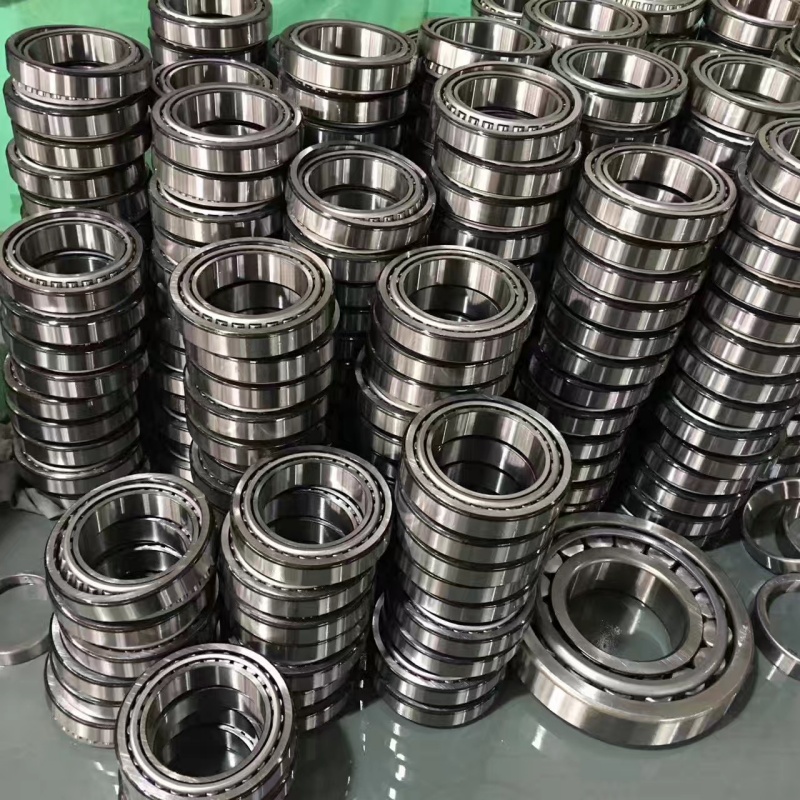
You need bearings that last. Your business depends on the performance of the parts you sell or install. But how can you tell which supplier truly delivers reliability? This article will show you. We will examine the core advantages of tapered roller bearings. We will ask if they are genuinely "better." We will explain the engineering secret behind their smooth operation. Most importantly, we will detail the real causes of failure and how our process at FYTZ is designed to eliminate them. This is a practical guide to sourcing reliability.
What are the advantages of tapered roller bearings?
You choose a bearing to solve a specific problem in a machine. The generic advantages in a catalog don’t help much. You need to know how these advantages translate into real benefits for your application. Will it handle the shock load? Will it simplify the assembly? I think in terms of solutions, not just specifications.
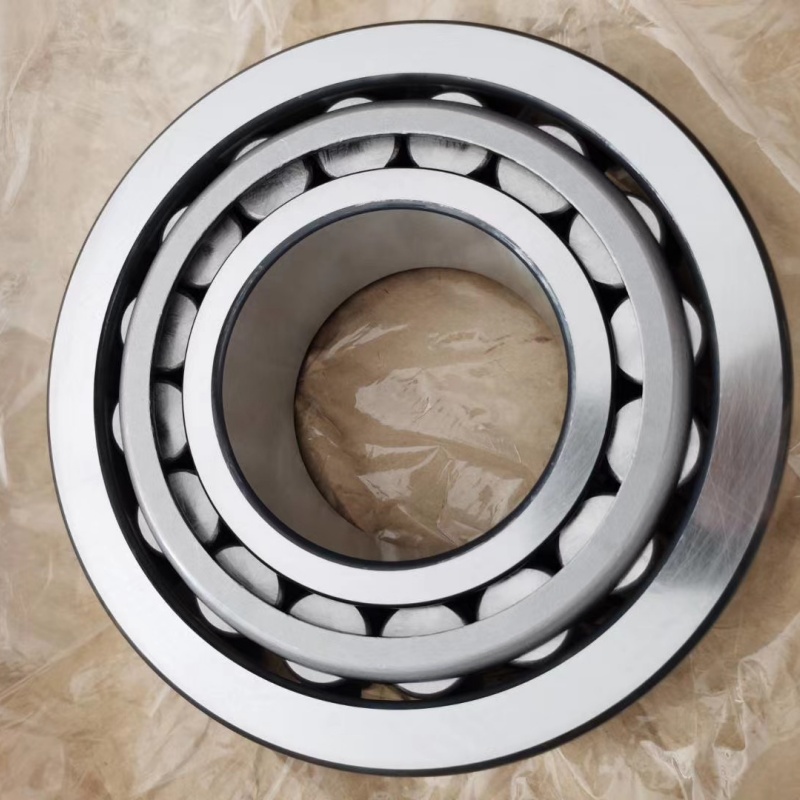
Tapered roller bearings offer high load capacity for both radial and axial forces in one compact unit. This provides design simplicity, high rigidity for precise shaft positioning, excellent durability for shock loads, and adjustable internal clearance for optimal performance. These advantages lead to longer machine life and lower total operating costs.
Deeper Dive: From Technical Feature1s to Tangible Business Value
Let’s move past the feature list. Let’s connect each advantage to a concrete outcome for an equipment manufacturer, a distributor, or an end-user.
1. Combined Load Capacity2: The Simplifier
- Technical Feature1: Manages substantial radial and axial loads simultaneously.
- Real-World Impact: This allows a design engineer to use a single bearing pair where they might otherwise need two separate bearings (one radial, one thrust).
- Business Value3:
- For OEMs: Simplifies design, reduces part count, saves space, and lowers assembly cost.
- For Distributors like Rajesh: Simplifies inventory. You stock one part number that solves a common two-bearing problem. It makes your catalog cleaner and your technical support easier.
- For End-Users: Makes replacement straightforward. There’s no confusion about matching two different bearing types.
2. High Rigidity4: The Precision Enabler
- Technical Feature1: The line contact provides very stiff support, minimizing shaft deflection under load.
- Real-World Impact: The shaft stays exactly where it should be. Gears mesh correctly. Cutting tools don’t vibrate.
- Business Value3:
- For OEMs: Enables higher precision in their final product (e.g., accurate gearboxes, high-quality machine tools). This is a key selling point for their machines.
- For Distributors: You can supply bearings for high-performance applications. You move from commodity parts to value-added components.
- For Maintenance Shops: Correct bearing rigidity ensures a repair lasts. It prevents follow-on failures from misalignment.
3. Durability and Shock Load Resistance5: The Workhorse
- Technical Feature1: Robust design and high-quality steel handle heavy and impact loads.
- Real-World Impact: Bearings survive in tough environments: construction, mining, agriculture.
- Business Value3:
- For All: Reduced unplanned downtime. This is the single biggest cost saver in industry. A bearing that lasts 10,000 hours instead of 5,000 hours doesn’t just save the bearing cost; it saves hours of production.
4. Adjustable Internal Clearance/Preload6: The Tunable Performance
- Technical Feature1: The bearing can be set to have a specific play (clearance) or a pre-loaded condition during installation.
- Real-World Impact: Engineers can optimize for different conditions.
-
Business Value3: Setting Purpose Business Benefit Clearance Allow for thermal expansion in applications like dryers or steel mills. Prevents seizure from heat, ensuring continuous operation. Preload Eliminate all internal play for maximum rigidity in high-precision spindles or pinion bearings. Enables superior product quality (smooth finish, quiet gears).
5. The Efficiency Link7
- Technical Feature1: True rolling motion and optimized geometry reduce friction.
- Real-World Impact: Lower energy consumption for the machine.
- Business Value3: For the end-user, this is direct cost savings on power bills. For an OEM, it’s a feature for marketing "green" or efficient equipment.
Our Implementation at FYTZ: We don’t just rely on these inherent advantages. We enhance them. Our P5/P6 precision manufacturing8 ensures the load is distributed perfectly across all rollers. Our material selection ensures the durability is built in. This turns a good design into a reliably performing product.
Are tapered bearings better?
"Better" is a dangerous word in engineering. It implies a universal truth. A tapered roller bearing is not universally better than a deep groove ball bearing or a spherical roller bearing. It is specifically better for certain situations. Recommending the wrong type because it’s "better" on paper will lead to failure. My job is to help you match the bearing to the application.
Tapered roller bearings1 are not inherently "better" than all others; they are optimal for specific needs. They are superior for applications demanding high rigidity and combined radial/axial loads. However, for pure radial load, a cylindrical roller may be better. For high misalignment, a spherical roller is better. For high speed and low load, a ball bearing is better.

Deeper Dive: A Critical Comparison Across Key Performance Axes
To answer "better," we must define "for what?" Let’s compare tapered roller bearings (TRB) to their main competitors across critical application criteria.
The Competitive Landscape: Three Main Alternatives
- Deep Groove Ball Bearings2 (DGBB): The most common type. Handles radial and some axial load in both directions.
- Cylindrical Roller Bearings3 (CRB): Very high radial load capacity. Very low axial load capacity.
- Spherical Roller Bearings4 (SRB): Very high radial load capacity. Good misalignment tolerance. Moderate axial load capacity.
| Comparative Analysis Table | Performance Criterion | Tapered Roller Bearing (TRB) | Deep Groove Ball Bearing (DGBB) | Cylindrical Roller Bearing (CRB) | Spherical Roller Bearing (SRB) | Which is "Better"? |
|---|---|---|---|---|---|---|
| Combined Radial & Axial Load5 | Excellent (High capacity in one direction) | Good (Moderate bidirectional capacity) | Poor (Almost none) | Good (Moderate bidirectional capacity) | TRB is best. | |
| Pure Radial Load Capacity | Very High | Moderate | Extremely High | Extremely High | CRB or SRB are better. | |
| Rigidity / Shaft Positioning6 | Very High | Moderate | High | Moderate (due to self-alignment) | TRB is best. | |
| Misalignment Tolerance | Very Low (Requires precision) | Low | Very Low | Very High (1-3 degrees) | SRB is best. | |
| Friction / Speed Potential | Moderate-High (Good for most industrial speeds) | Low (Best for very high speeds) | Low-Moderate | Moderate-Higher | DGBB is best for highest RPM. | |
| Installation Simplicity7 | Complex (Requires adjustment) | Simple (Drop-in) | Simple | Moderate | DGBB is best. |
When a Tapered Bearing is the CLEARLY Better Choice
- Scenario 1: Automotive Wheel Hubs8. Needs combined loads (weight + cornering), compactness, and durability. TRBs (in unitized hubs) are dominant.
- Scenario 2: Industrial Gearbox with Helical Gears. Needs rigid shaft support for gear mesh and must handle thrust from the helical gears. A pair of TRBs is the standard, optimal solution.
- Scenario 3: Rolling Mill Roll Neck. Needs extreme rigidity under huge, fluctuating loads. A four-row TRB is the specialized, best tool for this job.
When Another Bearing is a BETTER Choice
- For an Electric Motor: High speed, moderate radial load, some axial. Deep Groove Ball Bearings2 are typically better and more cost-effective.
- For a Vibrating Screen Conveyor: High radial load, significant frame/shaft misalignment. Spherical Roller Bearings4 are better; a TRB would fail quickly.
- For a Turbine Blower Shaft: Very high speed, light load. Deep Groove or Angular Contact Ball Bearings are better.
The FYTZ Perspective for Buyers: We manufacture all these types. This gives us an unbiased view. When a client like an importer asks for a bearing, we first ask about the application. Our goal is to provide the correct solution, not just sell a tapered bearing because we make them. This honest advice builds long-term trust. If a tapered bearing is the optimal fit, we ensure our manufacturing makes it the most reliable version of that optimal choice.
Why does a tapered roller bearing1 have true rolling motion?
True rolling motion is the holy grail of bearing efficiency. It means the rollers spin without sliding against the raceways. Sliding causes friction, heat, and wear. Many bearing failures start with sliding, not rolling. The tapered roller’s geometry is a masterpiece of engineering that promotes this pure rolling, but only if manufactured perfectly.
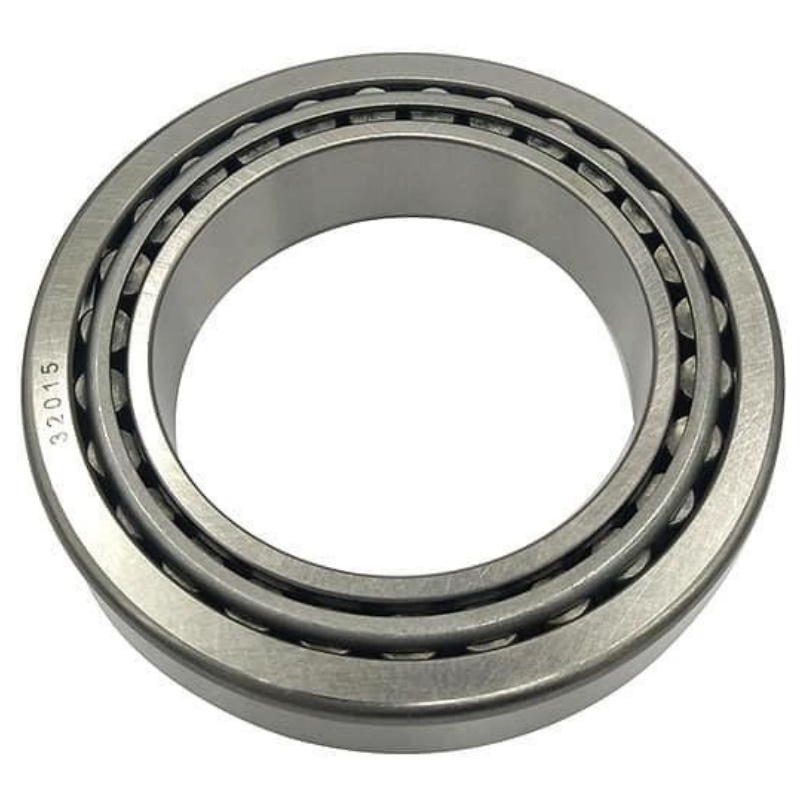
A tapered roller bearing1 achieves true rolling motion because the conical surfaces of the rollers, cone, and cup are designed to meet at a common apex point on the bearing axis. This geometry ensures all contact surfaces roll over each other without geometric sliding, minimizing friction and wear. Precise manufacturing is critical to maintain this theoretical advantage.
Deeper Dive: The Geometry, The Reality, and The Manufacturing Imperative
The concept is elegant, but the real-world execution is what separates a good bearing from a great one. Let’s dissect it.
1. The Theoretical Principle: The Common Apex2
Imagine lines extended along the tapered surfaces of the roller, the cone (inner ring) raceway, and the cup (outer ring) raceway. In a perfect design, all these lines converge at a single point on the central axis of the bearing. This is the "apex."
- Why This Matters: When the bearing rotates, the contact paths on the roller and the raceways have the same effective diameter relative to this apex point. This matching of diameters means the surface speeds are identical. The roller "rolls" like a perfect cone on a matching conical surface, without needing to skid or slide to keep up.
2. The Critical Role of the Rib3
True rolling works for the roller bodies against the raceways. But what about the roller ends? They contact the large rib on the cone. This contact cannot be pure rolling; it is inherently a sliding contact.
- The Engineering Challenge: The rib must guide the rollers to prevent them from skewing. This sliding contact must be managed.
- The Solution: Precise rib geometry, an ultra-smooth rib surface finish, and effective lubrication are critical. High-quality bearings have a carefully profiled rib to minimize contact stress and a super-finished surface to reduce friction.
3. Where Theory Meets Factory Reality: The Tolerance Stack-Up4
The perfect apex is a theory. In a real bearing, tiny deviations in manufacturing add up.
- Deviations That Destroy True Rolling:
- Taper Angle Error: If the roller taper angle doesn’t exactly match the cup or cone raceway angle.
- Diameter Error: If the roller large-end diameter or raceway diameters are off.
- Cage Pocket Error: If the cage doesn’t hold the rollers at the perfect spacing and alignment.
- Consequence of Errors: The contact lines no longer meet at a common apex. The surface speeds no longer match. The roller must now skid and scrub to bridge the difference. This causes:
- Increased friction and heat.
- Accelerated wear on roller ends and the rib.
- Higher vibration and noise.
- Reduced bearing life and potential for early failure.
| 4. How FYTZ Ensures True Rolling Motion5 This is where our reliability is built. We control the variables that others might overlook. |
Potential Error | Consequence | Our Control Method at FYTZ |
|---|---|---|---|
| Incorrect Taper Angles | Geometric sliding, uneven load. | Precision CNC grinding6 machines with in-process gauging. Regular calibration and tool dressing. | |
| Inconsistent Roller Profiles | Some rollers carry more load, some skid. | Automated roller sorting and grading7 by size. Use of rollers from the same production batch in one bearing. | |
| Poor Raceway & Rib Finish | High sliding friction at rib. | Multi-stage grinding and superfinishing processes. Surface roughness measured and controlled. | |
| Improper Cage Design/Play | Rollers skew, contact incorrectly. | Cage design optimized for application. Precise stamping or machining of cage pockets. |
The Result for You: When you use our tapered roller bearing1s, you get a component where the theoretical efficiency of true rolling is preserved in practice. This translates directly to the performance you expect: lower operating temperature, higher efficiency, less wear, and longer service life. For an importer, this means fewer warranty claims and happier end-customers.
What causes tapered roller bearing failure?
A bearing on my desk tells a story. The pattern of damage points directly to the root cause. Understanding these failure modes is not just for engineers; it’s for anyone who buys, sells, or uses bearings. It helps you diagnose problems, select the right bearing, and work with a supplier who prevents these issues at the source.
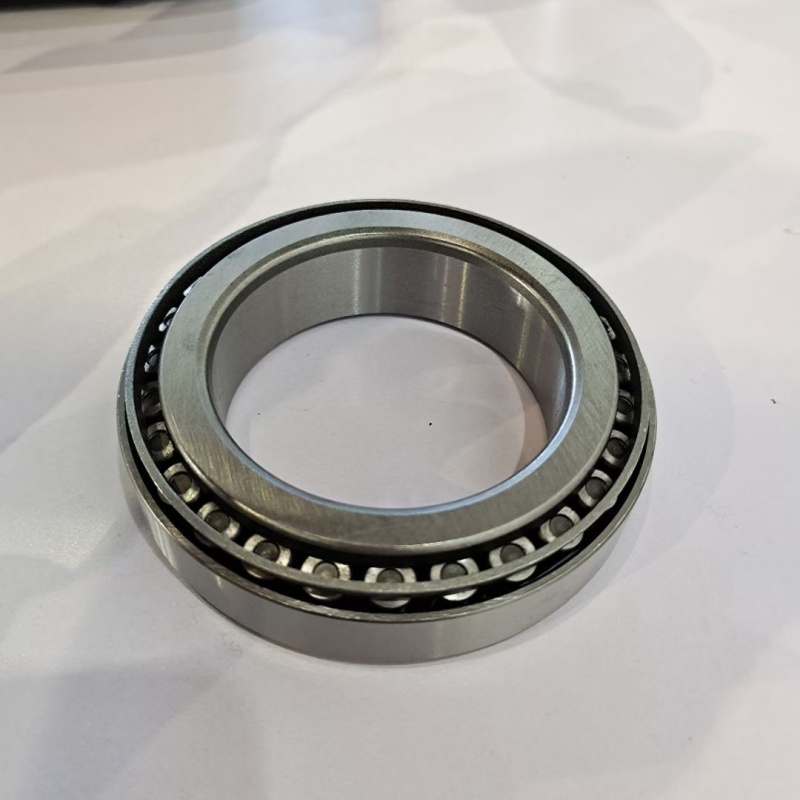
Tapered roller bearings1 fail primarily due to improper installation2 (incorrect clearance/preload), contamination3 (dirt, water), lubrication issues4 (wrong type, quantity, or interval), misalignment5, and material or manufacturing defects6 (fatigue, poor heat treatment7). Overload and corrosion are also common causes.
Deeper Dive: A Forensic Guide to Failure and Its Prevention
Let’s categorize failures. More importantly, let’s see what a reliable manufacturer does to prevent them, and what you can do in application.
1. Installation & Adjustment Errors (The #1 Cause)
This is the most common avoidable failure.
- Failure Mode:
- Excessive Clearance: Causes shaft wobble, impact loads, fatigue, and brinelling.
- Excessive Preload: Causes high friction, overheating, softening of the steel, and eventual seizure.
- Visual Evidence: Heat discoloration (blue/brown) from overheating. Severe wear or cracking from impact.
- Prevention Strategy:
- From Us: Provide clear, multilingual installation guides with torque specs and adjustment procedures. For OEMs, we can supply pre-adjusted units (like matched pairs or double-row bearings).
- From You: Train maintenance staff. Use proper tools (torque wrench, dial indicator). Follow the procedure.
2. Contamination (The Silent Killer)
Dirt and water are abrasive and corrosive.
- Failure Mode: Abrasive particles indent raceways and rollers (indentation fatigue). They act as grinding paste, causing rapid wear. Water causes rust and degrades lubricant.
- Visual Evidence: Fine scratching on surfaces, embedded particles, rust, pitting.
- Prevention Strategy:
- From Us: Offer bearings with superior sealing options (integrated rubber seals, labyrinth designs). Ensure our packaging is sealed and clean. Use rust-preventative oils.
- From You: Maintain seal integrity. Work in clean conditions during installation. Use the correct seal for the environment (e.g., chemical-resistant, high-temp).
3. Lubrication Failure
The lifeline of the bearing.
- Failure Mode:
- Incorrect Lubricant: Wrong viscosity leads to metal-to-metal contact or excessive churning.
- Insufficient Lubricant: Causes wear, overheating, and seizure.
- Degraded/Contaminated Lubricant: Loses its protective properties.
- Visual Evidence: Scoring, adhesive wear (smearing), discoloration from heat, coked or hardened old grease.
- Prevention Strategy:
- From Us: Provide lubrication recommendations (grease type, quantity, interval) based on the bearing series and typical application.
- From You: Follow recommended relubrication schedules. Use clean grease guns and fittings. Don’t mix incompatible greases.
4. Misalignment
As discussed, tapered rollers hate misalignment5.
- Failure Mode: Edge loading, high localized stress, rapid fatigue spalling.
- Visual Evidence: Asymmetric wear pattern across the roller and raceway width (diagonal contact).
- Prevention Strategy:
- From Us: Manufacture bearings to high precision (P5/P6) to ensure uniform internal geometry, giving the best chance of correct load distribution.
- From You: Check and correct alignment of housings and shafts during assembly and after operation. Use precise mounting methods.
5. Material & Manufacturing Defects (The Supplier’s Responsibility)
This is where our factory controls make the difference.
- Failure Modes:
- Material Inclusions: Foreign particles in the steel act as stress risers, leading to premature subsurface fatigue (spalling).
- Poor Heat Treatment: Results in soft spots (wear) or brittle areas (cracking).
- Geometric Inaccuracies: Cause uneven load sharing and the loss of true rolling motion.
- Visual Evidence: Early spalling from a single point, cracking, abnormal wear patterns not explained by application factors.
-
Our Prevention Strategy at FYTZ – Our Core Reliability Promise: Defect Type Our Preventative Action Material Quality Source bearing-grade steel (GCr15) with certified chemical analysis. Heat Treatment Use controlled atmosphere furnaces. Perform regular hardness tests and metallographic checks. Inclusions/Fatigue Implement 100% defect inspection (like eddy current or ultrasonic testing) for critical sizes to screen out flawed components. Geometric Precision CNC grinding with SPC (Statistical Process Control). 100% final inspection of dimensions, runout, and surface finish. Assembly & Cleanliness Assemble in a controlled environment. Clean components thoroughly before greasing and packaging.
For a distributor, understanding these causes turns you into a problem-solver. When a customer reports a failure, you can ask the right questions about installation, lubrication, and load. Often, the problem is not the bearing but its application. This knowledge protects your business and guides your customers to better outcomes.
Conclusion
The reliability of our tapered roller bearings stems from a commitment to precision manufacturing that honors the design’s potential and proactively prevents the common causes of failure at their source.
-
Explore this link to understand the common issues and solutions related to tapered roller bearings, enhancing your knowledge. ↩ ↩ ↩ ↩ ↩ ↩ ↩ ↩ ↩ ↩ ↩
-
Learn about the critical impact of improper installation on bearing performance and how to avoid it. ↩ ↩ ↩ ↩ ↩
-
Discover how contamination can silently damage bearings and the best practices to prevent it. ↩ ↩ ↩ ↩ ↩ ↩ ↩ ↩
-
Find out about lubrication issues that can lead to bearing failure and how to ensure proper maintenance. ↩ ↩ ↩ ↩ ↩
-
Understand the detrimental effects of misalignment on tapered roller bearings and how to prevent it. ↩ ↩ ↩ ↩ ↩
-
Learn about the impact of manufacturing defects on bearing reliability and the importance of quality control. ↩ ↩ ↩ ↩
-
Understand the significance of heat treatment in bearing performance and how it affects durability. ↩ ↩ ↩ ↩
-
Discover the specific bearing types used in automotive wheel hubs and their importance for performance and safety. ↩ ↩