
A brand new machine fails on its first day. The sound is wrong—a grinding, rumbling noise from a spherical roller bearing. I’ve seen the frustration on a plant manager’s face. The project is delayed, costs rise, and fingers point at the bearing supplier. But often, the bearing itself is fine; it was killed during its first moments of life.
Premature spherical roller bearing failure at start-up is often caused by preventable errors: improper handling/storage, incorrect installation (like hammer blows), contamination, inadequate or wrong lubrication, and misalignment. A disciplined commissioning checklist focused on these areas is the best defense against early failure.
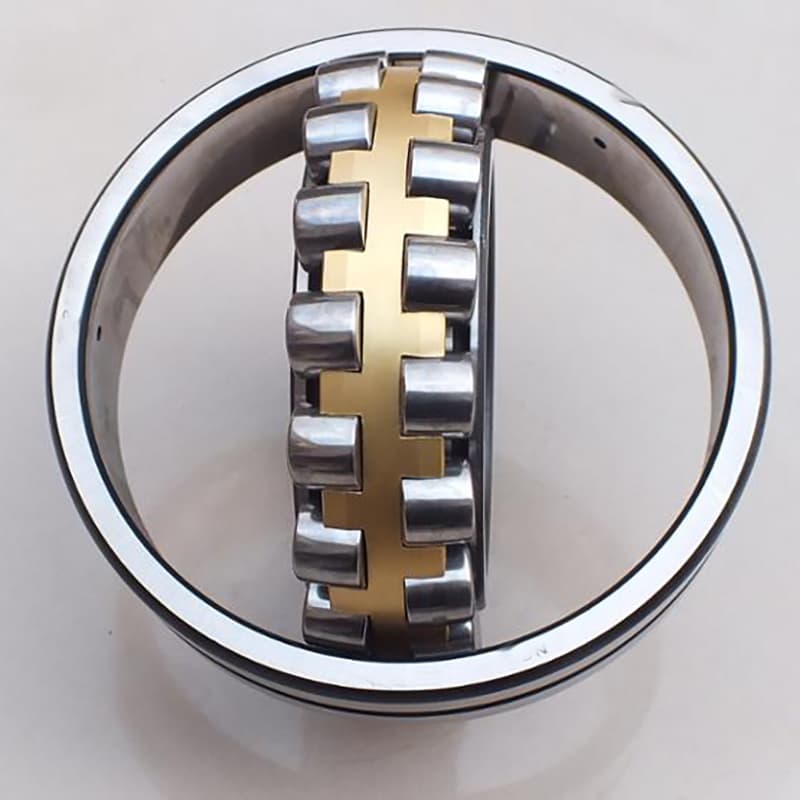
You are about to start a critical machine. Maybe it’s a new conveyor for a mine in South Africa or a large fan for a plant in Indonesia. The success of this commission impacts your project timeline and budget. This article is your practical guide. We will identify the top five specific causes of premature failure. We will look at the special case of wheel bearings. We will outline a clear prevention plan. Finally, we will connect this to the universal failure modes of all rolling element bearings. My goal is to give you a checklist to ensure your bearings—and your project—have a long, successful life.
What are 5 things that could cause premature bearing failure?
A bearing doesn’t just "go bad." It is damaged by specific actions or omissions. Think of these as the five most common mistakes made between receiving the bearing and the machine’s first full-speed run. Avoiding these mistakes is not about luck; it’s about procedure.
Five specific causes of premature bearing failure are: 1. Contamination1 from dirt during handling/installation, 2. Improper installation2 (hammering, press fit errors), 3. Incorrect or insufficient lubrication3, 4. Misalignment4 of shafts and housings, and 5. Improper storage leading to corrosion before use.
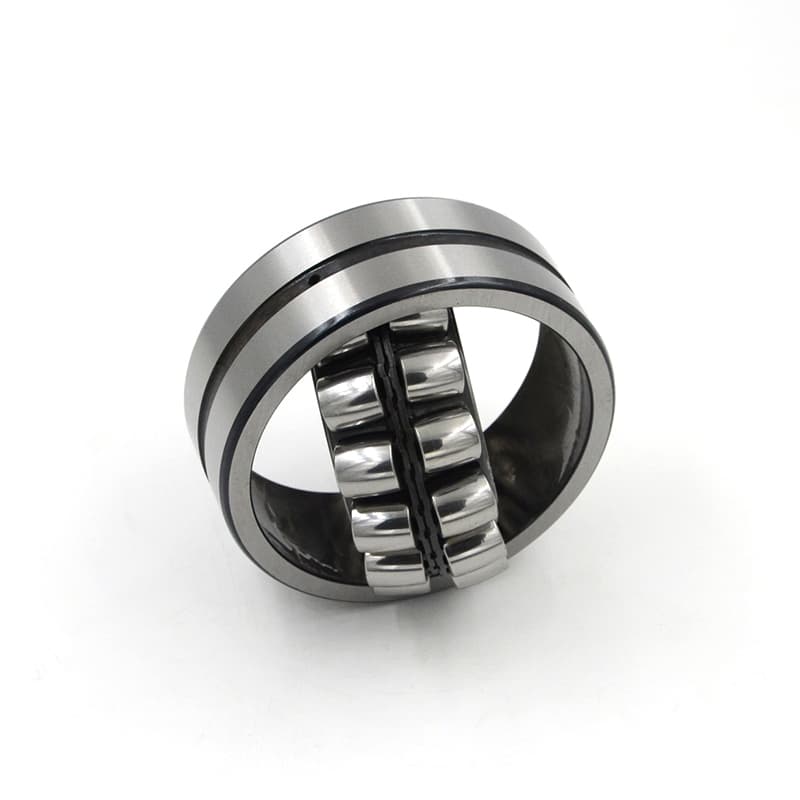
Deeper Dive: The Five Killers and How to Stop Them
Let’s examine each cause in detail. We will focus on the context of start-up and commissioning, where these errors are most likely to occur.
1. Contamination1: The Invisible Enemy
Dust5, sand, metal chips, and moisture are abrasive. They act like grinding paste inside the bearing.
- How It Happens at Start-Up:
- Storing bearings in an open, dirty warehouse.
- Removing bearing packaging too early in a dirty workshop.
- Failing to clean the housing, shaft, and surrounding area before installation.
- Using dirty hands or tools to handle the bearing.
- The Damage: Particles indent the smooth raceways and rollers. These dents create stress points. Under load, micro-cracks form, leading to early surface fatigue (spalling). Moisture6 causes rust, which pits the surfaces.
- Prevention Action Plan:
- Store Properly: Keep bearings in original, sealed packaging until the moment of installation.
- Clean the Workspace: Wipe down the shaft, housing bore, and locking components. Use lint-free cloths.
- Handle with Care: Use clean gloves. Never lay an unpacked bearing on a dirty floor or bench.
2. Improper Installation: The Act of Violence
Forcing a bearing onto a shaft or into a housing incorrectly inflicts immediate, irreversible damage.
- How It Happens at Start-Up: This is the most critical phase. Common errors include:
- Using a Hammer: Direct impact on the bearing rings deforms them, brinelling the raceways.
- Pressing on the Wrong Ring: When pressing a bearing onto a shaft, force must be applied only to the inner ring. When pressing into a housing, force must be applied only to the outer ring. Pressing on the wrong ring forces the rolling elements to bear the load, damaging them.
- Uneven Pressure: Using an improper mandrel or tool causes the bearing to go in crooked, damaging both the bearing and the housing/shaft.
- The Damage: Brinelling7 (permanent dents), cracked rings, cage damage, and immediate vibration.
- Prevention Action Plan:
- Use the Right Tools: Use an induction heater for shaft fits, or a proper hydraulic press with fitting sleeves and mandrels.
- Apply Force Correctly: Always confirm which ring has the interference fit and apply force directly to that ring only.
- Go Slow and Straight: Ensure the bearing seats squarely and evenly.
3. Incorrect or Insufficient Lubrication: The Dry Start
A bearing starts its life with only the factory preservative oil. This is not running lubricant.
- How It Happens at Start-Up:
- Assuming the bearing is "ready to run" from the box.
- Using the wrong type of grease (wrong base oil viscosity, thickener, or additive package).
- Under-filling or over-filling the bearing cavity.
- The Damage: Metal-to-metal contact causes immediate wear, high friction, overheating, and potential seizure within minutes of start-up.
- Prevention Action Plan:
- Consult the Manual: Follow the OEM’s lubrication specification exactly (grease type and quantity).
- Purge Old Grease: If the bearing has been stored for a long time, the preservative may have degraded. Clean and re-lubricate.
- Fill Correctly: For grease, typically fill 1/3 to 1/2 of the free cavity space to avoid churning and overheating.
4. Misalignment4: The Twisted Fate
Spherical roller bearings tolerate misalignment, but they have limits (usually 1-3 degrees). Excessive misalignment is still a killer.
- How It Happens at Start-Up: This is a commissioning error.
- Poor alignment of the driver and driven machine (motor to pump, gearbox to conveyor).
- Distorted or poorly machined weldment housings.
- "Soft foot" condition on motor mounts.
- The Damage: Causes uneven load distribution across the rollers. Some rollers carry excessive load, leading to rapid fatigue, overheating, and failure. The bearing’s self-aligning capability is overloaded.
- Prevention Action Plan:
- Perform Precision Alignment: Use laser alignment tools to align coupled machines to within specified tolerances after the machine is fully bolted down and pipes connected.
- Check Housing Bore Alignment: Use dial indicators to check that bearing seats in a split housing are co-axial.
5. Improper Storage: The Slow Death Before Birth
The bearing can be damaged before it even reaches the machine.
- How It Happens: Bearings are stored for months in a humid, non-climate-controlled warehouse at the distributor or end-user site.
- The Damage: Condensation forms, causing corrosion (rust) on critical raceway and roller surfaces. The bearing is already damaged before installation.
- Prevention Action Plan:
- First-In, First-Out (FIFO)8: Manage inventory to use older stock first.
- Control Environment: Store bearings in a dry, temperature-stable place. Keep them in sealed packaging.
- Inspect Before Use: Visually check for any signs of rust or damaged packaging before installation.
What causes wheel bearings1 to fail prematurely?
Wheel bearings are a specific and critical case. They are spherical or tapered roller bearings in a harsh, sealed environment. A failed wheel bearing is a serious safety hazard. For an auto parts distributor like Rajesh, understanding this failure is key to providing value to repair shops.
Wheel bearings fail prematurely due to water/dirt ingress past damaged seals, impact damage2 from potholes, improper installation3 (over-torquing, hammering), lack of lubrication (sealed units) or incorrect grease, and excessive vehicle load. Contamination is the predominant cause in most early failures.
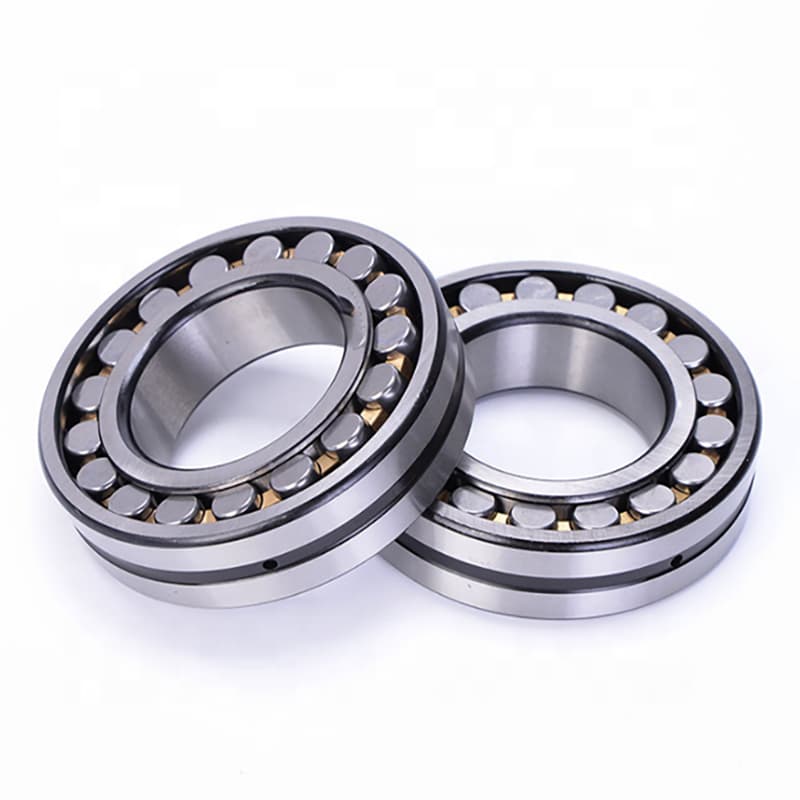
Deeper Dive: The Unique Stressors on a Wheel Bearing
A wheel bearing lives in a tough world. It’s close to the road, exposed to water, salt, and debris, and suffers constant shock loads. Let’s break down its specific failure modes.
1. Seal Failure: The Primary Gateway to Failure
The seal is the most important component of a wheel bearing unit (hub unit). Its failure guarantees a short bearing life.
- Causes of Seal Failure:
- Aging and Cracking: Rubber seals harden and crack over time due to heat, ozone, and weather.
- Physical Damage: Nicked or cut during installation by a sharp tool.
- Chemical Attack: Exposure to aggressive road chemicals or incorrect cleaning solvents.
- Consequence: Once the seal leaks, contaminants enter: water, road salt, brake dust, and grit. These wash out the grease and create an abrasive slurry inside the bearing.
2. Impact and Shock Loading
Every pothole, curb strike, or rough road transmits a shock wave directly through the tire and into the bearing.
- Effect: This can cause brinelling—permanent indentations in the raceways. These dents create vibration and noise (the classic "roaring" sound) and become initiation points for fatigue spalling.
3. Improper Installation Practices in the Repair Shop
This is where a distributor’s technical support matters. Common shop errors include:
- Over-Torquing the Axle Nut: This applies excessive preload to the bearing, causing it to run hot and fail quickly. A torque wrench is mandatory.
- Hammering the Bearing: Using an impact hammer to install or remove the bearing assembly damages the housing and the bearing itself.
- Ignoring Companion Parts: Reusing a damaged axle nut, circlip, or hub itself can lead to improper bearing seating and premature failure.
4. Lubrication Issues in "Sealed for Life" Units
Modern hub units are pre-greased and sealed. The assumption is they last the vehicle’s life. But:
- Grease Breakdown: Extreme heat from braking can degrade the grease over time.
- Quantity/Quality: A low-quality replacement unit may have inferior or insufficient grease from the factory.
5. Vehicle Modifications and Overloading
- Larger, Heavier Tires: Increase the lever arm and load on the bearing.
- Consistent Overloading: Commercial vehicles or trucks routinely loaded beyond capacity put excessive radial loads on the bearings.
| Table: Wheel Bearing Failure Symptoms and Root Causes | Symptom (Customer Complaint) | Possible Root Cause | Action for the Distributor/Shop |
|---|---|---|---|
| Growling/Roaring Noise | Brinelling from impact, general wear from contamination. | Inspect for seal damage. Check for vehicle overload history. | |
| Clicking Noise When Turning | Damaged rollers or raceway spalling. | Likely advanced failure. Replace unit. | |
| Wheel Wobble/Play | Excessive clearance from wear, or improper installation3 torque. | Check axle nut torque specification and re-torque if allowed. Otherwise, replace. | |
| ABS Warning Light | Damage to the magnetic encoder ring on the bearing (if equipped). | Replace the entire hub bearing assembly. |
For Distributors like IndoMotion Parts: When you sell a wheel bearing, provide a simple installation tip sheet. Emphasize using a torque wrench, checking the seal surface, and never hammering the bearing. This reduces comebacks and builds your reputation as a technical partner, not just a parts supplier.
How can bearing failure be prevented?
Prevention is a system, not a single action. It starts the moment the bearing is manufactured and continues through its entire service life. As a factory, we build in prevention through quality control. As a user or distributor, you execute prevention through disciplined practices.
Bearing failure is prevented by a systematic approach: 1. Proper storage and handling1, 2. Correct installation2 using appropriate tools and methods, 3. Ensuring proper alignment3 of the machine, 4. Applying the correct lubrication4 in the right amount, and 5. Implementing condition monitoring5 (vibration, temperature) for early detection of problems.
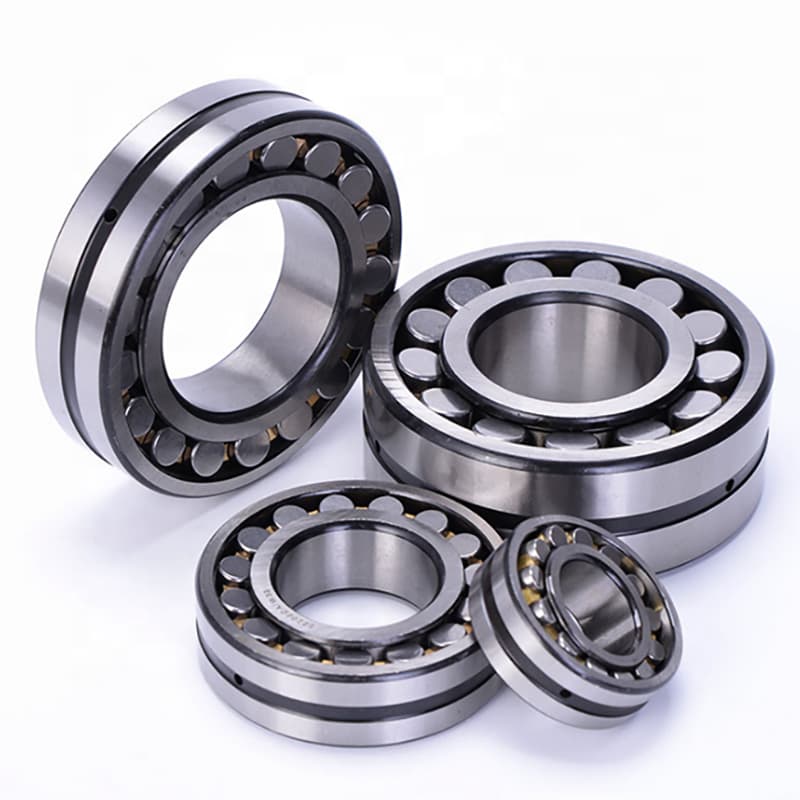
Deeper Dive: Building a Proactive Prevention Culture
Let’s expand this into a phase-by-phase plan, from warehouse to decommissioning. This is a blueprint for reliability engineers, plant managers, and knowledgeable distributors.
Phase 1: Procurement & Storage (The Foundation)
Prevention begins before the bearing is even needed.
- Select the Right Bearing: Work with a technical supplier to ensure the bearing type, series, and tolerance (e.g., P6) match the application’s load, speed, and precision requirements. Don’t just buy by price.
- Source from a Reliable Supplier: A factory with integrated production and 100% inspection, like FYTZ, minimizes the risk of receiving a bearing with inherent material or manufacturing defects.
- Implement Rigorous Storage:
- Keep bearings in a dry, clean, vibration-free environment.
- Maintain FIFO inventory management.
- Do not remove protective packaging until installation.
Phase 2: Installation & Commissioning (The Critical Window)
This is where most failures are born. Standardize the process.
- Create an Installation Standard Operating Procedure (SOP)6: Document every step: cleaning, fitting method, torque values, lubrication specs.
- Use Specialized Tools: Invest in and mandate the use of:
- Induction heaters for inner ring fits.
- Hydraulic presses with fitting tools.
- Torque wrenches.
- Laser alignment tools.
- Focus on Cleanliness: Treat the bearing installation area like a clean room. Use clean tools, gloves, and lint-free wipes.
- Verify Alignment: After the machine is fully assembled and bolted down, perform a final alignment check of coupled shafts.
Phase 3: Operation & Maintenance (The Long-Term Care)
- Lubrication Management: This is the most important maintenance activity.
- Right Grease: Use only the specified type.
- Right Amount: Follow fill guidelines (30-50% of free space for grease).
- Right Interval: Base regreasing intervals on operating hours, not calendar time. Consider conditions—high heat or wet environments require more frequent greasing.
- Clean Technique: Clean grease nipples before applying new grease to prevent injection of dirt.
-
Condition Monitoring: Move from reactive to predictive maintenance. Monitoring Method What It Detects Action Vibration Analysis7 Imbalance, misalignment, looseness, bearing wear (early spalling). Schedule maintenance based on trend data before failure. Temperature Monitoring Overheating from lack of lubrication, overloading, or excessive friction. Investigate and correct the root cause of high temperature. Ultrasound Detection Very early stages of lubrication failure and surface defects. Very sensitive for early warning. Visual & Auditory Checks Leaking seals, unusual noise, discoloration from heat. Basic but essential daily checks by operators.
Phase 4: The Role of the Bearing Supplier in Prevention
A good supplier is a partner in prevention.
- Technical Data8: We provide detailed dimensional drawings, load ratings, and lubrication recommendations.
- Application Support: We help select the correct bearing for the job, preventing misapplication.
- Consistent Quality: Our integrated production and inspection lines (for P5/P6 precision) ensure you receive a bearing free from manufacturing defects, so you can focus on preventing application failures.
For a plant manager or distributor, implementing this phased plan turns bearing maintenance from a cost center into a reliability investment. It reduces unplanned downtime, saves money on premature replacements, and extends the life of your critical machinery.
What generally causes rolling element bearings to fail prematurely?
This question zooms out to the universal principles. All rolling bearings—ball, cylindrical, tapered, spherical—share common failure physics. Understanding these universal causes gives you a powerful framework to diagnose any bearing problem, regardless of its specific type.
Generally, all rolling element bearings fail prematurely due to fatigue, wear, corrosion, plastic deformation (brinelling), and lubrication failure. These are accelerated by the "root causes" we’ve discussed: contamination, misalignment, improper installation, and inadequate maintenance.
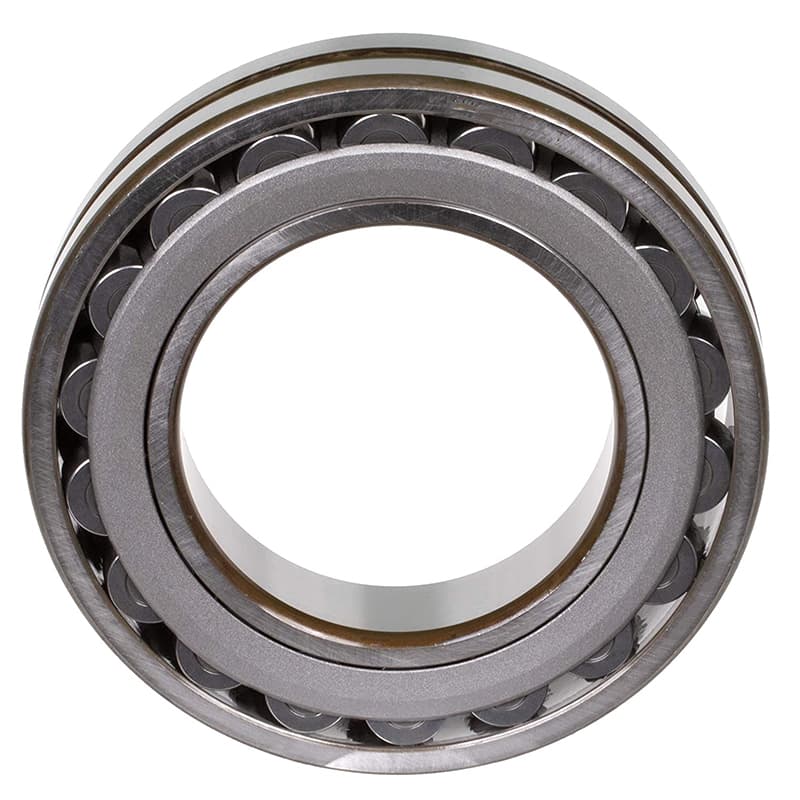
Deeper Dive: The Underlying Physical Mechanisms of Failure
Let’s categorize failures not by what caused them, but by what happened to the steel. This is the language of failure analysis.
1. Fatigue (Spalling)1
This is the only "natural" failure mode. It occurs after the bearing has completed its calculated L10 life under proper conditions.
- Mechanism: Repeated stress cycles cause micro-cracks to form just below the load-bearing surface. These cracks grow and connect, eventually causing pieces of material to flake off. This is called spalling.
- Visual: Pit-like cavities on raceways or rollers.
- Premature Trigger: Anything that increases stress accelerates fatigue: contamination (dents act as stress risers), misalignment (uneven load), overloading, or poor material quality (inclusions).
2. Abrasive Wear2
This is the unnatural, accelerated removal of material.
- Mechanism: Hard, foreign particles (dirt, sand, metal debris) get between the rolling surfaces and act as an abrasive, constantly scraping away material.
- Visual: Dull, ground, or scratched surfaces. The bearing clearance increases measurably.
- Premature Trigger: Directly caused by contamination due to poor seals, dirty handling, or a contaminated lubricant supply.
3. Adhesive Wear (Smearing)3
This is a more severe form of surface damage.
- Mechanism: Under high load and insufficient lubrication, surface asperities (microscopic high points) weld together and then tear apart as the surfaces slide.
- Visual: A rough, torn appearance on the surface, often with material transferred from one surface to another.
- Premature Trigger: Lubrication failure4 (wrong type, too little), overload, or excessive slippage (e.g., in a spherical roller bearing under very high misalignment).
4. Corrosion5
The chemical destruction of the bearing steel.
- Mechanism: Reaction with water, acids, or other corrosive agents. This includes rust (oxidation) and etching from aggressive chemicals.
- Visual: Red/brown rust, pitting, or etching patterns.
- Premature Trigger: Exposure to moisture (poor storage, seal failure, condensation), or contact with corrosive process fluids.
5. Plastic Deformation (Brinelling & False Brinelling)
Permanent indentation of the raceways.
- Brinelling Mechanism: A static overload or severe impact causes the rollers/balls to dent the raceways.
- False Brinelling Mechanism: Small oscillatory movements while the bearing is stationary under load (e.g., during transport or vibration). This causes wear at the contact points.
- Visual: Clear, shiny dents at roller/ball spacing.
- Premature Trigger: Improper installation6 (hammer blows), shock loads, or vibration during non-rotation.
| Connecting Root Causes to Failure Modes: A Diagnostic Matrix This table helps you diagnose the likely root cause by observing the final failure mode. |
Observed Failure Mode | Most Likely Root Cause(s) | Question to Ask |
|---|---|---|---|
| Early Fatigue Spalling | Contamination7, misalignment, overloading, material defect. | Was the installation clean? Was the machine aligned? Was the load as expected? | |
| Abrasive Wear2 | Contamination7. | How is the sealing? Was the lubricant clean? Was the work area dirty? | |
| Adhesive Wear / Smearing | Lubrication failure4, overload. | Was the correct grease used? Was there enough grease? Was the load too high? | |
| Corrosion5 & Rust | Water ingress, improper storage. | Were the seals intact? How was the bearing stored before use? | |
| Brinelling | Impact during installation or operation. | Was a hammer used? Did the machine hit a severe pothole or obstruction? |
For anyone responsible for machinery, this framework is essential. It turns a mysterious bearing failure into a solvable engineering problem. It also justifies the investment in proper tools, training, and quality components from the start.
Conclusion
Preventing premature spherical roller bearing failure is a disciplined process, not luck. It requires attention to detail from storage through installation, lubrication, and alignment, turning potential start-up disasters into long-term reliability.
-
Understanding fatigue spalling is crucial for diagnosing bearing failures and improving machinery reliability. ↩ ↩ ↩ ↩ ↩
-
Learn about abrasive wear to prevent premature bearing failure and enhance maintenance practices. ↩ ↩ ↩ ↩ ↩
-
Explore adhesive wear to understand its impact on bearing performance and how to mitigate it. ↩ ↩ ↩ ↩ ↩
-
Explore lubrication failure to ensure proper maintenance and extend bearing life. ↩ ↩ ↩ ↩ ↩
-
Discover the effects of corrosion on bearings to implement better storage and maintenance strategies. ↩ ↩ ↩ ↩
-
Understanding installation impacts can prevent costly mistakes and enhance bearing performance. ↩ ↩ ↩
-
Learn about contamination to improve sealing and cleanliness in bearing applications. ↩ ↩ ↩ ↩
-
Accessing detailed technical data helps in making informed decisions for bearing applications. ↩ ↩