
A new pillow block bearing fails in weeks or months, not years. The immediate reaction is to blame the bearing’s quality. But in over a decade at FYTZ, I’ve found that 90% of early failures stem from issues outside the bearing itself. The real problem—and solution—lies in how it’s used.
Early pillow block bearing failure is primarily caused by improper installation, incorrect lubrication, contamination ingress, misalignment, and overloading. Addressing these root causes through precise mounting, using the right grease quantity/type, ensuring effective sealing, and proper alignment prevents premature breakdown and extends service life.
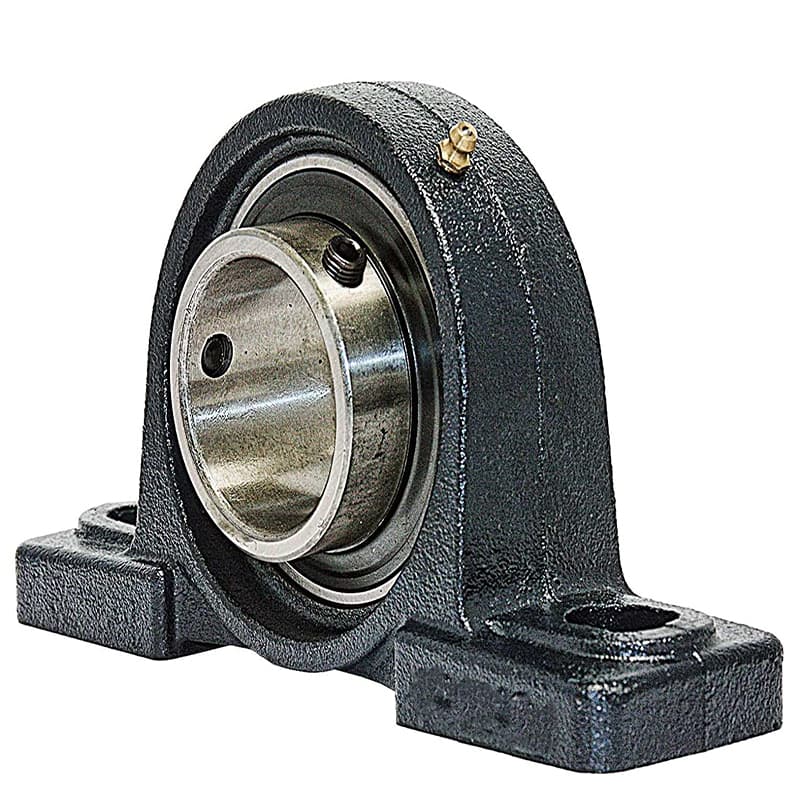
Finding the true cause requires moving past the symptom. We need to examine the complete failure ecosystem: the immediate technical causes, the top five culprits, the fundamental root, and the recurring problems specific to the pillow block assembly. Let’s investigate systematically.
What causes pillow block bearing failure?
Bearing failure is the end state. To prevent it, we must understand the sequence of events that leads there. These events are physical processes that damage the bearing’s precise internal geometry and surfaces.
Pillow block bearing failure1 is caused by the physical breakdown of its components due to fatigue, wear, corrosion, or plastic deformation. This breakdown is triggered by specific stressors like abrasive contamination, metal-to-metal contact from poor lubrication, impact loads, excessive heat, and electrical arcing.
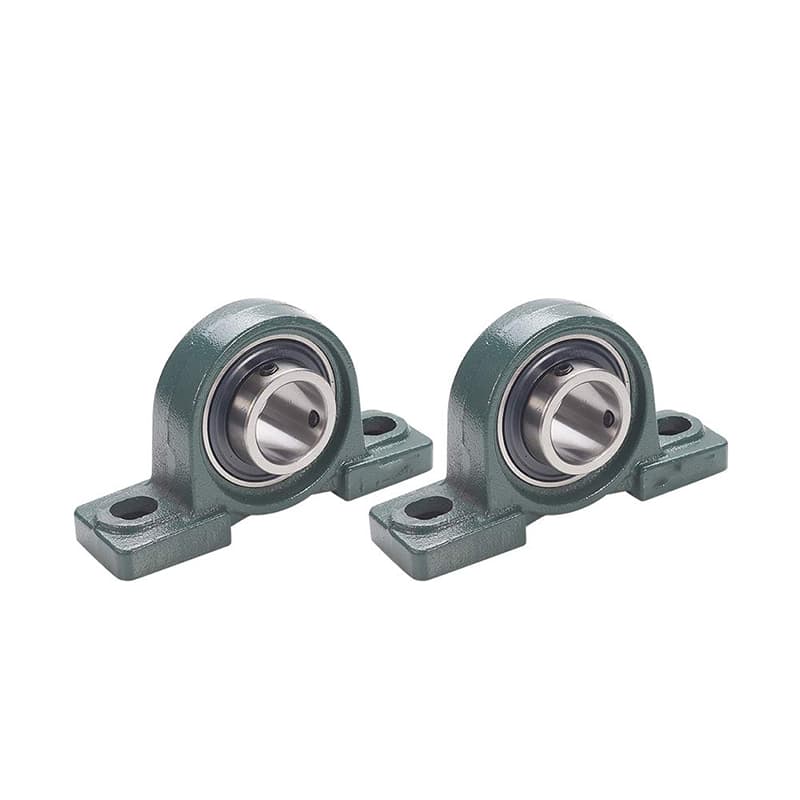
The Failure Mechanisms: How Bearings Die
When we examine a failed bearing, we look for tell-tale patterns. Each pattern points to a specific destructive process. Here are the primary failure modes.
1. Fatigue Spalling2 (Material Exhaustion)
This is the classic "design life" failure. Under repeated cyclic stress, subsurface cracks form and eventually reach the surface, causing material to flake off.
- Appearance: Pitted or flaked areas on raceways or rollers.
- Root Cause: While normal after long service, early spalling points to overloading or a bearing that is under-sized for the application.
2. Abrasive Wear3 (The Grinding Down)
Hard particles (dirt, sand, metal debris) get into the bearing.
- Appearance: The raceways and rollers look frosted, scratched, or scored. The bearing clearance increases.
- Root Cause: Seal failure or contaminated grease during installation or relubrication. The environment is dirty, and the sealing is inadequate.
3. Adhesive Wear4 (Smearing & Galling)
When lubrication fails, metal surfaces weld together at micro-points and then tear apart.
- Appearance: Rough, torn surfaces, often with material transferred from one surface to another.
- Root Cause: Lubrication failure5 (wrong type, too little, breakdown from heat). Can also happen during start-up under heavy load if the oil film isn’t established.
4. Corrosion & Etching6
Moisture or corrosive chemicals attack the steel.
- Appearance: Red/brown rust, or darker etching patterns on raceways matching roller spacing.
- Root Cause: Water ingress through failed seals, condensation in storage, or exposure to corrosive atmospheres. Vibration in the presence of moisture causes "false brinelling" (etching without rotation).
5. Plastic Deformation7 (Brinelling & Indentations)
Static overload or impact causes permanent dents.
- Appearance: Indentations on raceways aligned with the roller spacing.
- Root Cause: Shock loads during operation, or improper installation (hammer blows) that dent the raceways. Also caused by rolling an unmounted bearing over a hard surface.
6. Overheating & Thermal Runaway8
Excessive heat leads to a cascade of problems.
- Appearance: Discolored (blue/brown) rings and rollers, hardened or carbonized grease.
- Root Cause: Excessive friction from misalignment, preload, over-greasing, or overload.
| Failure Mechanism | Visual Evidence | Primary Stressor | Corrective Action Focus |
|---|---|---|---|
| Fatigue Spalling2 | Flaked, pitted surfaces on load zone. | Cyclic overstress. | Verify load ratings; ensure proper bearing selection. |
| Abrasive Wear3 | Frosted, scratched, scored surfaces. | Hard particle contamination. | Improve sealing; ensure clean handling & lubrication. |
| Adhesive Wear4/Smearing | Rough, torn, metal-transferred surfaces. | Lack of lubricant film. | Ensure correct lubrication type, quantity, and interval. |
| Corrosion/Etching | Rust, dark etching at roller spacing. | Moisture/chemical ingress. | Improve seals; use corrosion-inhibited grease; control environment. |
| Plastic Deformation7 | Dents on raceways matching rollers. | Impact or static overload. | Improve installation practices; avoid shock loads. |
Understanding these mechanisms turns a mystery into a diagnosis. For example, if Rajesh’s customer sends back a bearing with frosted raceways (abrasive wear), the conversation isn’t about warranty—it’s about seal selection and greasing procedures for that dusty environment.
What are 5 things that could cause premature bearing failure?
While many factors can contribute, some are so frequent they account for the vast majority of early failures. These are the "usual suspects" we ask about first when a customer reports a problem. Addressing these five areas prevents most premature failures.
Five common causes of premature pillow block bearing failure are: 1) Contamination from dirt or moisture1, 2) Improper lubrication2 (wrong type, quantity, or interval), 3) Misalignment of the shaft and housing, 4) Incorrect installation (hammer damage, cocking), and 5) Overloading beyond the bearing’s rated capacity.
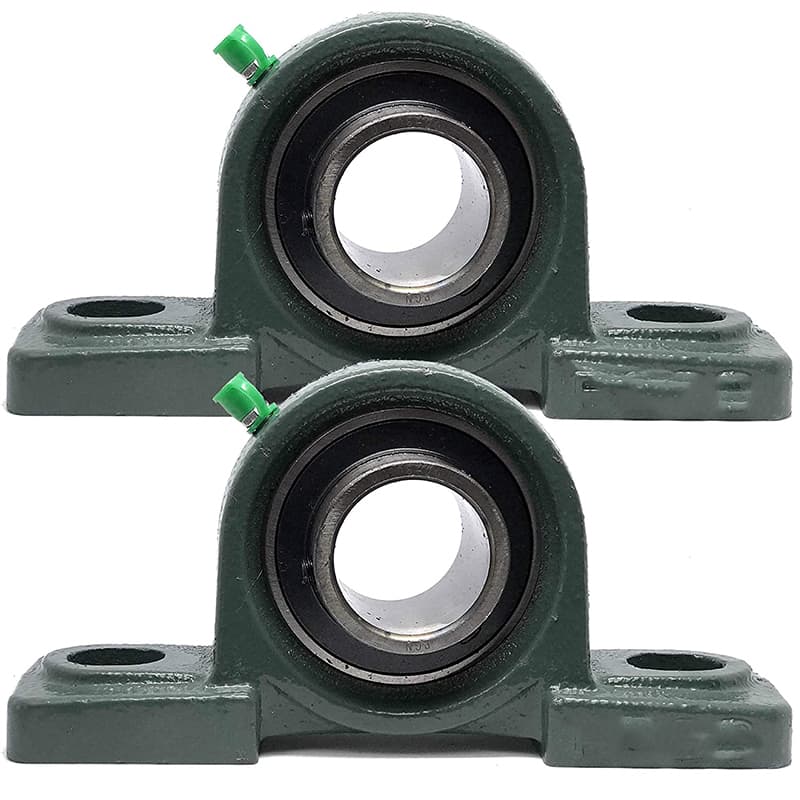
The "Fatal Five" and Their Fixes
Let’s rank and detail these top culprits. Each one directly attacks the bearing’s ability to function as designed.
1. Contamination (The Silent Killer)
Abrasives like silica dust or metal grit are harder than bearing steel.
- How it Causes Failure: Particles embed in soft surfaces (like seals or grease) and act as cutting tools, grinding down raceways and rollers (Abrasive Wear3). This accelerates wear by orders of magnitude.
- Corrective Action: Use sealed bearings (2RS, 2RZ) appropriate for the environment. Ensure seal lips are intact and facing the contamination source. Use clean tools and grease during maintenance. Install external protective covers if needed.
2. Improper Lubrication (The Lifeblood Gone Wrong)
This covers both under- and over-lubrication, and wrong grease type.
- Under-lubrication: Leads to metal-to-metal contact, adhesive wear, and overheating.
- Over-lubrication: Grease churning creates intense heat, which breaks down the grease, leading to… under-lubrication. It’s a vicious cycle.
- Wrong Grease: Using a grease without Extreme Pressure (EP) additives for heavy loads, or one that’s incompatible with the temperature.
- Corrective Action: Follow the manufacturer’s lubrication schedule and fill quantity (typically 1/3 to 1/2 housing cavity). Use a grease specified for the load, speed, and temperature. Purge old grease completely during relubrication.
3. Misalignment (The Bending Stress)
When the shaft and housing bores are not coaxial, the bearing is forced to operate crooked.
- How it Causes Failure: Creates edge loading on rollers, causing high localized stress, skidding, and excessive heat. Leads to early spalling on one side of the raceway.
- Corrective Action: Use precision alignment tools (laser preferred) during installation. Check alignment periodically, especially after foundation shifts or impacts. For long shafts, use self-aligning spherical roller bearing inserts.
4. Incorrect Installation (The Birth Trauma)
Damage inflicted during mounting can doom a bearing from its first rotation.
- Common Errors: Hammering directly on the bearing (causing brinelling), applying press force to the wrong ring (cocking the bearing), using the shaft to drive the bearing into the housing (damaging rolling elements).
- Corrective Action: Always use proper tools—bearing drivers that contact the correct ring, induction heaters for tight fits. Follow a controlled, axial pressing procedure.
5. Overloading (The Crushing Force)
The bearing is asked to carry more weight or thrust than it was designed for.
- How it Causes Failure: Exceeds the material’s fatigue strength, leading to very early spalling. Can also cause plastic deformation.
- Corrective Action: Verify the applied loads. If machinery has been modified, recalculate and select a bearing with adequate dynamic (C) and static (C0) load ratings. Consider a different bearing type (e.g., spherical roller for heavier loads).
| Rank | Cause | Primary Damage Mode | Key Preventive Measure |
|---|---|---|---|
| 1 | Contamination | Abrasive Wear3 | Select and maintain effective sealing. |
| 2 | Improper Lubrication | Adhesive Wear4, Overheating | Establish and follow a precise lubrication regimen. |
| 3 | Misalignment | Edge Loading, Early Spalling | Perform precision alignment at install and monitor. |
| 4 | Incorrect Installation | Brinelling, Cage Damage | Train personnel; use correct tools and procedures. |
| 5 | Overloading | Early Fatigue Spalling5 | Confirm load calculations and bearing selection. |
For a maintenance manager, focusing resources on preventing these five issues will yield the greatest return on investment in bearing life and machine uptime. They are the levers of control.
What is the root cause of bearing failure?
Beyond the immediate technical causes like dirt or misalignment lies a deeper, more fundamental issue. The root cause is rarely a single event; it is typically a breakdown in a process or system that allowed the technical cause to occur. Finding this is key to permanent correction.
The root cause of bearing failure is often a procedural or knowledge gap in maintenance practices, such as inadequate training for installers, lack of clear lubrication standards, poor handling procedures that allow contamination, or failure to specify the correct bearing for the operating environment.
Digging Deeper: From Symptom to System Failure
Root cause analysis asks "why" repeatedly until you reach a point you can control. Let’s trace a common failure back to its origin.
Example Failure Chain:
- Observed Failure: Bearing failed from abrasive wear after 3 months.
- Why? Because dirt entered the bearing.
- Why? Because the seal was damaged and ineffective.
- Why? Because during the last regreasing, the mechanic used a dirty grease gun tip and forced too much grease in, rupturing the seal lip.
- Why? Because the mechanic was not trained on the proper regreasing procedure for that specific pillow block.
- Why? Because there is no written standard procedure, and training is done informally by other mechanics.
- ROOT CAUSE: Lack of standardized procedures and formal training for precision maintenance tasks1.
Common Systemic Root Causes:
- Knowledge & Training Gaps: Personnel install, lubricate, or handle bearings based on habit, not specification. They may not understand the consequences of misalignment or over-greasing.
- Poor Specification & Procurement: The bearing was selected based only on price and size, not on the application’s load, speed, and environmental needs. A standard bearing is used where a sealed, heavy-duty version is needed.
- Inadequate Maintenance Systems: No scheduled alignment checks, no vibration monitoring, no controlled lubrication intervals. Maintenance is purely reactive—"run to failure."
- Handling & Storage Issues: Bearings are stored unprotected in dirty, damp warehouses. They are handled with dirty hands or dropped before installation, introducing damage that goes unnoticed.
- Cultural "Quick Fix" Mentality: The pressure to get the machine running fast overrides the discipline to do the job right. Alignment is skipped, torque specs are ignored.
The Corrective Action is Systemic:
Fixing the root cause is different from fixing the bearing.
- Instead of just replacing the bearing, develop and implement a standard operating procedure (SOP) for pillow block installation and lubrication.
- Instead of blaming the mechanic, provide formal, hands-on training.
- Instead of buying the cheapest bearing, create a specification sheet for each critical application that defines the required bearing type, seals, and clearance.
| Symptom (Failed Bearing) | Technical Cause | Probable Root Cause (Systemic) |
|---|---|---|
| Early spalling on raceway. | Overload. | No engineering review when machine load increased 6 months ago. (Specification Gap) |
| Rust and etching. | Water ingress. | Bearings stored in open, humid warehouse before installation. (Handling/Storage Gap) |
| Repeated misalignment failures. | Housing bolts loose; base shifted. | No scheduled alignment checks in PM program. (Maintenance System Gap) |
| Seal damage on multiple units. | Over-greasing. | No trained lubricator; everyone uses the grease gun differently. (Training/Procedure Gap) |
For a business owner or plant manager, investing in fixing these root causes—training, procedures, better specifications—has a multiplier effect. It doesn’t just fix one bearing; it prevents dozens of future failures across the entire facility.
What are the common problems with pillow blocks?
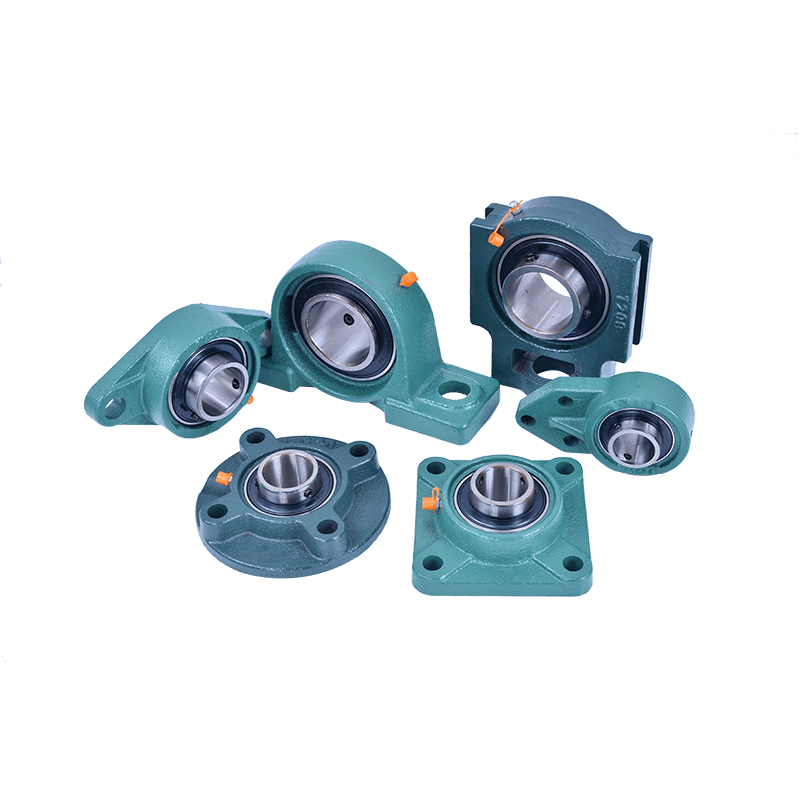
Pillow blocks are integrated units. Problems can arise not just from the bearing insert, but from the housing, seals, and their interaction. Recognizing these common assembly-level issues helps in troubleshooting and selection.
Common problems with pillow block units include housing bore distortion from uneven mounting, seal failure leading to contamination, difficulty in achieving and maintaining proper shaft alignment, loosening of set screws or adapter sleeves, and corrosion at the housing/baseplate interface.
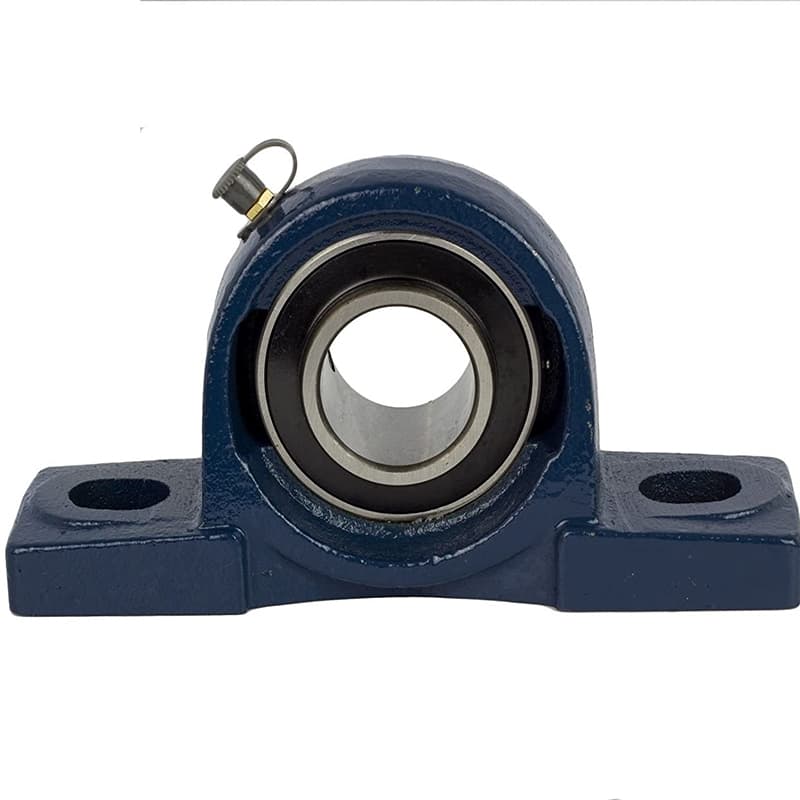
Troubleshooting the Complete Pillow Block Assembly
Let’s examine the failures specific to the pillow block as a mounted unit, beyond the internal bearing mechanics.
1. Housing Bore Distortion1
The housing is a casting or forging. It is not infinitely rigid.
- Problem: If the baseplate is not flat, or if the mounting bolts are tightened unevenly or excessively, the housing can twist. This twists the bore, pinching the bearing’s outer ring. This creates preload, increases friction, and causes overheating.
- Sign: The bearing runs hot soon after installation, even with correct lubrication. Rotation by hand feels tight.
- Solution: Ensure the baseplate is machined flat. Use a straightedge and feeler gauge to check. Tighten bolts in a cross-pattern to the specified torque in steps.
2. Seal Failure and Ingress Paths2
The seal is the first line of defense.
- Problem: Lip seals can wear, crack, or become unseated. Labyrinth seals can become packed with debris. The interface between the housing and the end cap can also be a leak path if the gasket is damaged or missing.
- Sign: Evidence of contamination inside (gritty grease) or grease leaking out in a dirty environment.
- Solution: Select the right seal for the environment (contact, non-contact, labyrinth). Replace seals during bearing changes. Ensure end caps are properly seated with good gaskets.
3. Alignment Drift and Looseness3
Pillow blocks are often used in pairs or lines.
- Problem: Over time, vibration can loosen housing bolts or set screws. Foundation settling can shift the baseplate. This destroys the careful alignment done at installation.
- Sign: Increasing vibration and noise over time. Visible wear patterns on shaft or in housing.
- Solution: Use lock washers or thread-locking compound on bolts. Implement periodic alignment checks as part of preventive maintenance. For set screw types, ensure the shaft is properly ground and the set screw is dimpled into the shaft.
4. Adapter Sleeve Issues4 (For Tapered Bore Units)
Many spherical roller bearing pillow blocks use adapter sleeves for mounting.
- Problem: The locknut can work loose from vibration, causing the bearing to slip on the shaft (creep). Incorrect tightening can fail to properly expand the sleeve, leaving the bearing loose.
- Sign: Fretting corrosion (red dust) at the shaft/bore interface, unusual noise, bearing spin on shaft.
- Solution: Follow the manufacturer’s tightening procedure precisely. Use the correct hook spanner and torque. Always use a locking device (lock washer, second nut).
- Problem: Moisture can get trapped between the iron housing and the steel baseplate, causing crevice corrosion. This can freeze the housing to the base, making removal difficult, and can even crack the housing feet.
- Sign: Rust staining, difficulty removing bolts during service.
- Solution: Apply a thin anti-seize compound to the baseplate before mounting the housing. Ensure water drainage paths are clear.
| Problem Area | Specific Issue | Consequence | Preventive/Corrective Action |
|---|---|---|---|
| Housing | Distortion from mounting stress. | Bearing preload, overheating. | Flat baseplate, even bolt torque sequence. |
| Seals | Wear, tear, improper selection. | Contamination ingress, grease loss. | Match seal to environment; replace during service. |
| Alignment | Drift from vibration/looseness. | Misalignment, edge loading, wear. | Secure mounting; scheduled alignment checks. |
| Mounting (Adapter) | Loose locknut, improper tightening. | Bearing creep on shaft, fretting. | Follow torque specs; use proper locking devices. |
| Interfaces | Corrosion between housing/base. | Seized parts, difficult maintenance. | Use anti-seize compound on mating surfaces. |
For a maintenance technician, this broader view is essential. When a pillow block fails, they need to check not just the bearing cartridge, but the housing bore for wear, the seal condition, and the tightness of all locking elements. The solution might be a new bearing insert, or it might be fixing a distorted housing or a missing lock washer.
Conclusion
Preventing early pillow block bearing failure requires attacking both the technical causes (contamination, misalignment) and the systemic root causes (training, procedures). Focus on precise installation, correct lubrication, effective sealing, and regular alignment checks to achieve the full, reliable service life of your bearings.
-
Understanding the causes of housing bore distortion can help prevent overheating and premature bearing failure. ↩ ↩ ↩ ↩
-
Learn about effective sealing solutions to protect your pillow blocks from contamination and extend their lifespan. ↩ ↩ ↩ ↩
-
Discover how alignment issues can lead to increased wear and noise, and how to maintain proper alignment. ↩ ↩ ↩ ↩ ↩
-
Explore the importance of proper adapter sleeve installation to avoid bearing creep and ensure reliable operation. ↩ ↩ ↩ ↩
-
Find out how to protect your pillow blocks from corrosion and ensure easier maintenance and longevity. ↩ ↩ ↩
-
Understanding corrosion and etching can help you choose the right materials and lubricants for your bearings. ↩
-
Learn about plastic deformation to avoid improper installation and shock loads that can damage bearings. ↩ ↩
-
Identifying the causes of overheating can help you maintain optimal operating conditions and extend bearing life. ↩
