
An unusual sound, a new vibration, or a bearing too hot to touch. These are not minor issues; they are your machine’s distress signals. Ignoring them leads to catastrophic failure, unplanned downtime, and costly repairs. Learning to read these signs early saves money and prevents disasters.
Diagnose pillow block bearing problems by listening for changes in noise (grinding, squealing), feeling for increased vibration, and checking for abnormal heat. These symptoms indicate issues like lack of lubrication, contamination, misalignment, or bearing wear, and require immediate investigation to prevent failure.
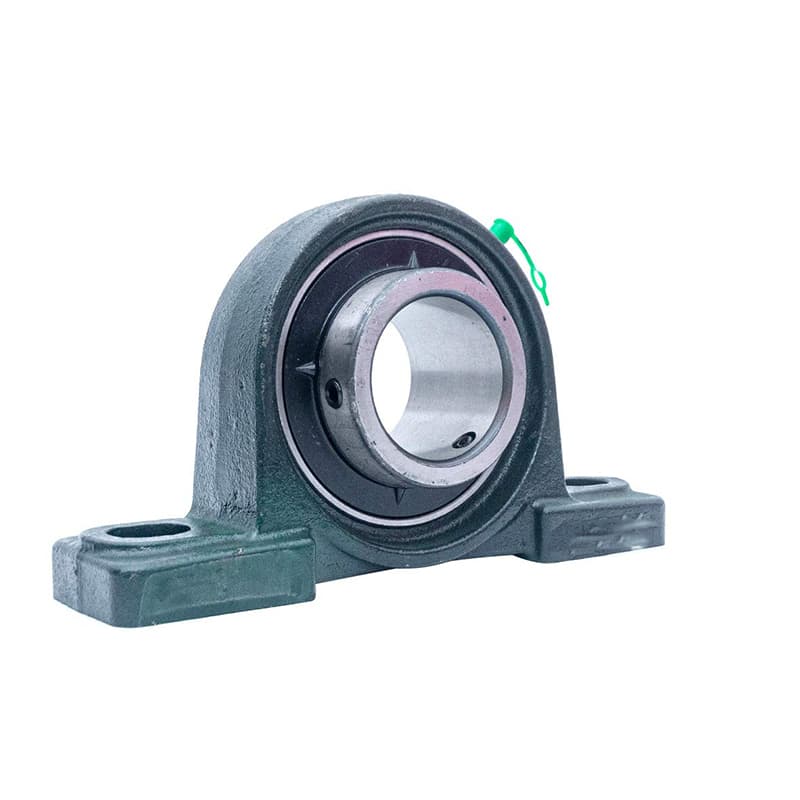
Diagnosis is detective work. Each symptom—noise, heat, vibration—points to a different underlying fault. To become an effective troubleshooter, you need to know the definitive signs of a bad bearing, understand the consequences of overheating, recognize the first warnings, and identify the most likely root causes. Let’s investigate.
How to tell if a pillow block bearing1 is bad?
You cannot see inside a sealed pillow block. You must rely on external clues. A "bad" bearing shows clear, measurable signs that deviate from its normal, healthy operation. Knowing these signs allows you to intervene before a complete breakdown.
You can tell a pillow block bearing1 is bad by listening for abnormal noises2 (grinding, rumbling, screeching), feeling for excessive heat3 or vibration4, observing grease leakage5 or contamination around seals, and checking for rough or restricted rotation by hand (with the drive disconnected).
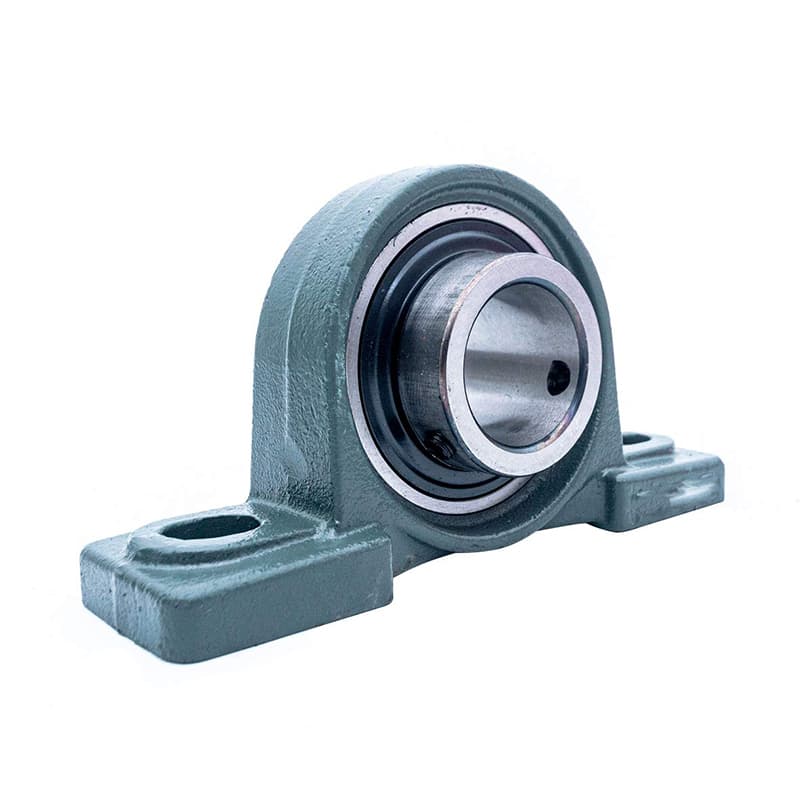
The Multi-Sense Diagnostic Checklist
Do not rely on just one test. Use a combination of sensory checks to build a complete picture of the bearing’s health. Here is a step-by-step field guide.
Step 1: Listen Carefully (The Sound Test)
Stop other equipment if possible. Use a mechanic’s stethoscope or a long screwdriver (place the tip on the housing, your ear on the handle).
- Healthy Sound: A low, smooth hum or whir. It is consistent.
- Unhealthy Sounds:
- Grinding or Rumbling: A rough, gritty sound. This often means the rolling surfaces are damaged (spalling) or contaminated with abrasive particles.
- Squealing or Screeching: A high-pitched sound. This usually indicates lubrication failure. Metal is rubbing on metal without an oil film.
- Clicking or Crunching: An irregular clicking or crunching noise. This can point to a cracked raceway, a damaged roller, or a cage that is failing and allowing rollers to collide.
- Cyclic Hum or Whine: A tone that changes with speed. This can indicate a brinell mark (dent) on a raceway from impact during installation.
Step 2: Feel for Heat and Vibration (The Touch Test)
WARNING: Be cautious. A failing bearing can be very hot.
- Heat: Use an infrared thermometer or carefully touch the housing. Compare its temperature to an identical, healthy bearing under the same load. A temperature rise of 10-15°C (18-27°F) above ambient or above a reference bearing is a concern. Very hot means advanced failure.
- Vibration: Place your hand firmly on the housing. Feel for unusual shaking or throbbing. Increased vibration4 is a direct indicator of imbalance, misalignment, or internal bearing damage.
Step 3: Look for External Evidence (The Sight Test)
- Grease Condition: Is grease leaking excessively from the seals? Is the leaked grease discolored (black or dark brown)? Dark grease often contains worn metal particles. Is there water or dirt around the seal?
- Seal Integrity: Are the seals cracked, torn, or missing?
- Mounting: Are the housing bolts loose? Is the housing base cracked?
Step 4: The Manual Rotation Test (The Feel Test – WITH DRIVE DISCONNECTED)
Lock out the power. Disconnect the drive (belt, chain, coupling). Try to rotate the shaft by hand.
- Healthy: Smooth, even rotation with slight drag from the seals.
- Unhealthy: Rotation feels rough, gritty, or has tight spots. There may be axial or radial play (excessive looseness) you can feel by trying to wobble the shaft.
| Diagnostic Method | Healthy Indicator | "Bad" Bearing Indicator | Likely Underlying Problem |
|---|---|---|---|
| Sound | Low, smooth hum. | Grinding, rumbling, squealing, clicking. | Contamination, lubrication failure, spalling, cage damage. |
| Temperature | Warm to touch, consistent with load. | Hot or very hot to touch. | Over-greasing, under-greasing, misalignment, overload. |
| Vibration | Minimal, smooth feel. | Noticeable shaking or throbbing. | Imbalance, misalignment, uneven wear, brinelling. |
| Visual | Clean seals, no leakage or slight weep. | Excessive leakage, black grease, damaged seals. | Seal failure, contamination ingress, advanced wear. |
| Manual Rotation | Smooth, even drag. | Rough, gritty, tight spots, or excessive play. | Raceway/roller damage, lack of lubrication, installation error. |
For a maintenance technician on the floor, this checklist is a powerful tool. When they hear a rumble from a conveyor pulley bearing, feel it’s hotter than the others, and see black grease weeping, they have multiple confirmations: this bearing is bad and needs scheduled replacement. They have moved from a guess to a diagnosis.
What happens if bearings get too hot?
Heat is not just a symptom; it is an accelerant of failure. When a bearing runs hot, it starts a destructive chain reaction. The heat itself damages the components meant to handle the load. Understanding this chain explains why overheating must be stopped immediately.
If bearings get too hot, the lubricant breaks down, losing its protective film. This leads to metal-to-metal contact, rapid wear, and increased friction, which generates more heat. This vicious cycle1 can cause the bearing steel to soften (temper), leading to deformation, loss of clearance, and ultimately seizure or catastrophic disintegration2.
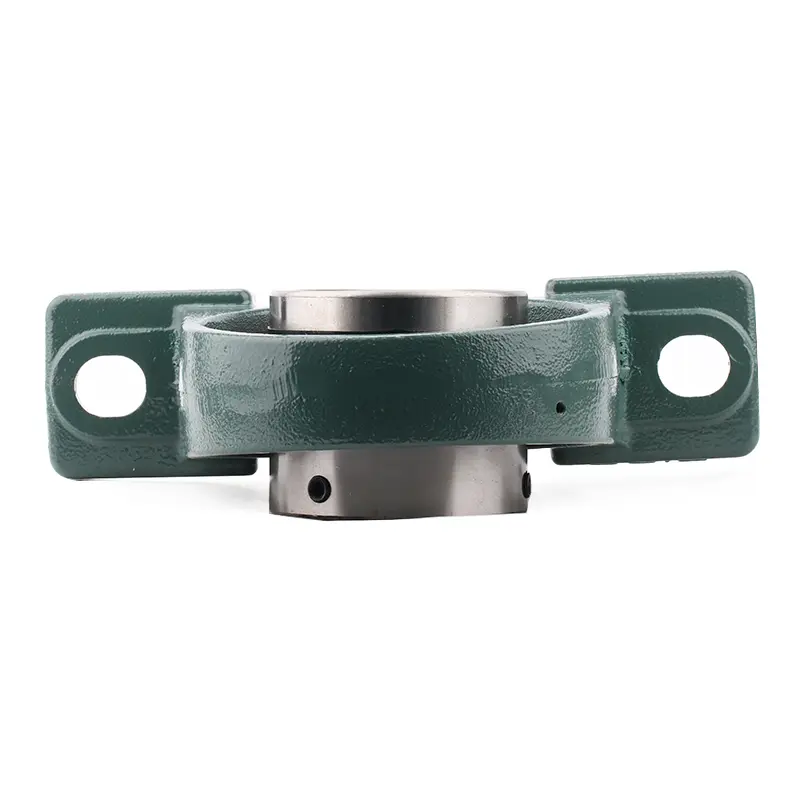
The Thermal Runaway Sequence: From Hot to Catastrophic
The process follows a predictable and dangerous path. We see this progression in failed bearings sent back for analysis.
Stage 1: Lubricant Breakdown
Grease and oil have temperature limits. When the bearing exceeds this limit:
- Oil Separation: Grease "bleeds" its oil too quickly. The thickener (soap) is left behind, becoming hard and abrasive.
- Oxidation: The oil oxidizes, forming sludge and varnish. These deposits are sticky and block lubrication paths.
- Loss of Film Strength: The lubricant can no longer maintain a protective micro-layer between the rolling surfaces.
Stage 2: Metal-to-Metal Contact3 and Accelerated Wear
With the lubricant film gone, the hardened steel rollers and raceways touch.
- This causes immediate adhesive wear (micro-welding and tearing) and abrasive wear.
- The surfaces become rough. This roughness creates even more friction.
- Friction generates more heat. This is the start of the vicious cycle1: Heat → Lubricant Fail → Friction → More Heat.
Stage 3: Metallurgical Changes (Loss of Material Strength)
Bearing steel is heat-treated to achieve a hard, wear-resistant surface. Each steel grade has a tempering temperature4.
- If the operating temperature exceeds this point (often around 150-200°C / 300-400°F for standard bearing steel), the steel begins to overtemper.
- Overtempering softens the steel. The hard raceways and rollers lose their hardness.
- Soft metal cannot support the load. It deforms under pressure. This leads to brinelling5 (indentations) or plastic deformation of the raceways.
Stage 4: Geometric Failure and Seizure
- Loss of Clearance: The inner ring, getting hottest, expands more than the outer ring. This eliminates the internal radial clearance. The bearing becomes preloaded, creating massive internal stress and even more heat.
- Seizure: Eventually, the expansion, deformation, and welded micro-joints lock the bearing solid. It stops rotating. The shaft either stops, or the bearing spins in the housing, destroying both.
- Catastrophic Disintegration: In extreme cases, the rollers or rings can crack and break apart under the combined stress of load and heat.
| Overheating Stage | Primary Damage | Observable Consequence | Point of No Return? |
|---|---|---|---|
| Lubricant Breakdown6 | Oil bleed, oxidation, film loss. | Grease turns black & stiff; smoke or smell. | Possibly, if caught and re-lubricated immediately. |
| Metal-to-Metal Wear | Surface scoring, spalling, increased friction. | Noise increases (grinding), vibration rises. | Bearing is damaged; life is severely shortened. |
| Steel Tempering | Loss of hardness, softening. | Raceways deform, rollers flatten. | Yes. Bearing material is permanently compromised. Must be replaced. |
| Seizure/Disintegration | Mechanical locking, fracture. | Shaft stops, housing damaged, parts break. | Complete failure. Causes collateral damage. |
For a plant manager, this sequence shows why a hot bearing is a priority. It is not something to "check next week." The move from Stage 2 to Stage 3 can happen quickly. Stopping the machine, investigating, and fixing the cause of the heat (not just the symptom) is the only way to prevent a much larger repair bill.
What is one of the first signs of bearing failure?
Catastrophic bearing failure doesn’t happen suddenly. It gives early, subtle warnings. Catching the very first sign allows for planned, low-cost intervention. Missing it guarantees a more expensive, disruptive failure later.
One of the first and most common signs of bearing failure is a change in sound or vibration signature1. A previously quiet bearing may develop a very faint, intermittent hum, whine, or a slight increase in vibration levels that can be detected with simple tools or careful observation.
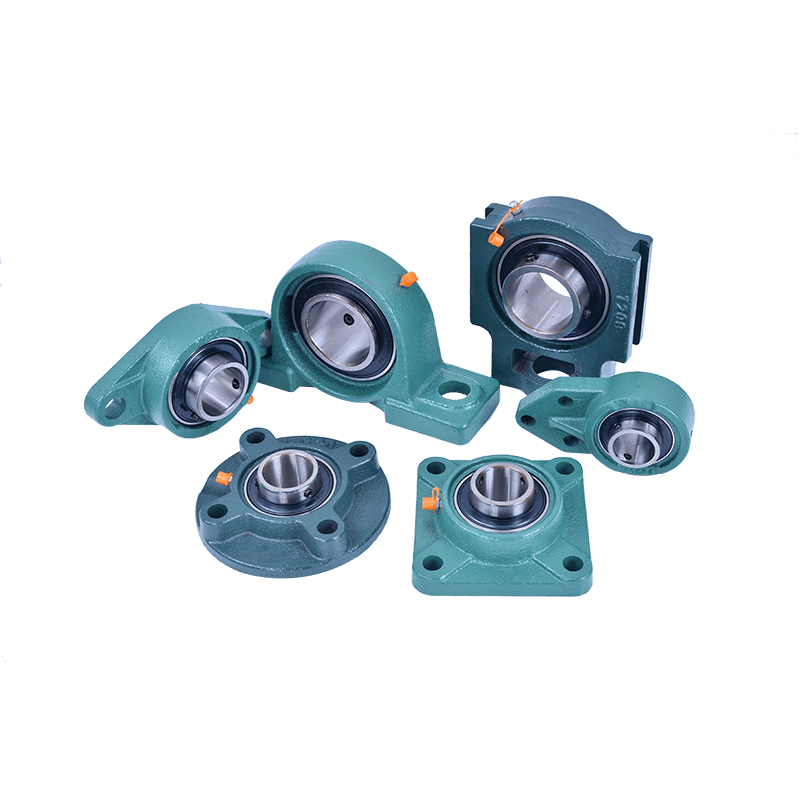
Detecting the Whisper Before the Scream
The earliest signs are often not audible to the naked ear over general plant noise. They require attentive monitoring or basic instrumentation.
1. The Subtle Sound Change
- The Sound: It often starts as a low-pitched, cyclical rumble or a high-pitched whine that comes and goes. It might only be heard at certain speeds or under specific loads.
- The Cause: This is often the very beginning of surface distress. A microscopic crack forms (fatigue initiation). A tiny piece of contaminant embeds itself. The lubricant film is starting to thin. These small imperfections create a regular vibration as rollers pass over them, which translates to sound.
- Detection: In a noisy environment, a mechanic’s stethoscope or ultrasonic listening device is needed to isolate this early sound from background noise.
2. The Subtle Vibration Change
- The Vibration: The overall vibration level measured on the bearing housing increases slightly. More tellingly, the vibration frequency2 changes. A vibration analyzer might show new frequency peaks emerging, related to the bearing’s specific frequencies (Ball Pass Frequency Outer/Inner Race).
- The Cause: As a raceway or roller develops a minor defect, each time a roller passes over it, it creates a tiny impact. This impact happens at a predictable frequency based on bearing geometry and speed. This is the technical fingerprint of early bearing damage.
- Detection: This requires a basic vibration meter or, better, a portable vibration analyzer. Many plants use regular vibration route monitoring to catch these changes.
3. Temperature Creep
- The Sign: The bearing’s operating temperature begins a slow, steady climb—perhaps 5-10°C over a week—while operating conditions remain the same.
- The Cause: Increasing internal friction from early wear or degrading lubrication.
- Detection: Regular checks with an infrared thermometer3 and logging the data.
Why Catching the First Sign Matters:
The bearing failure curve is not linear. It has three phases:
- Initiation Phase: The first sign appears. This phase can be 80-90% of the bearing’s total life. The bearing is still fully functional.
- Propagation Phase: The defect grows. Noise and vibration become clearly audible/feelable. This phase is shorter.
- Catastrophic Failure Phase: The bearing breaks down completely. This happens very quickly.
| Early Sign | Typical Onset | Detection Method | Allowed Response Time |
|---|---|---|---|
| Subtle Sound Change | Very early (Initiation Phase). | Stethoscope, trained ear, ultrasonic detector. | Weeks to months for planned replacement. |
| Subtle Vibration Increase | Early (Initiation Phase). | Vibration pen/meter, routine monitoring. | Weeks to months for planned replacement. |
| Slight Temperature Rise | Early to mid (Initiation/Propagation). | Infrared thermometer, touch (careful). | Days to weeks to investigate cause. |
| Visible Grease Discoloration | Mid (Propagation Phase). | Visual inspection during routine maintenance. | Schedule replacement soon. |
For a reliability-focused plant, training personnel to recognize and report these first signs transforms maintenance from reactive to predictive. Instead of a bearing failing at 3 AM on a Sunday, it is replaced during a scheduled shutdown the following Friday. The cost difference is enormous.
What would be the most probable cause of overheated bearings?
Overheating is a symptom, not a root cause. To fix it permanently, you must find the source of the excess friction or poor heat dissipation. The most common causes are often related to installation, lubrication, or setup errors rather than a defective bearing.
The most probable cause of overheated pillow block bearings is improper lubrication1—either too much grease (over-packing causing churning) or too little grease (inadequate film). Other leading causes include misalignment2, excessive preload3 from incorrect fit or setting, and overload4ing beyond the bearing’s capacity.
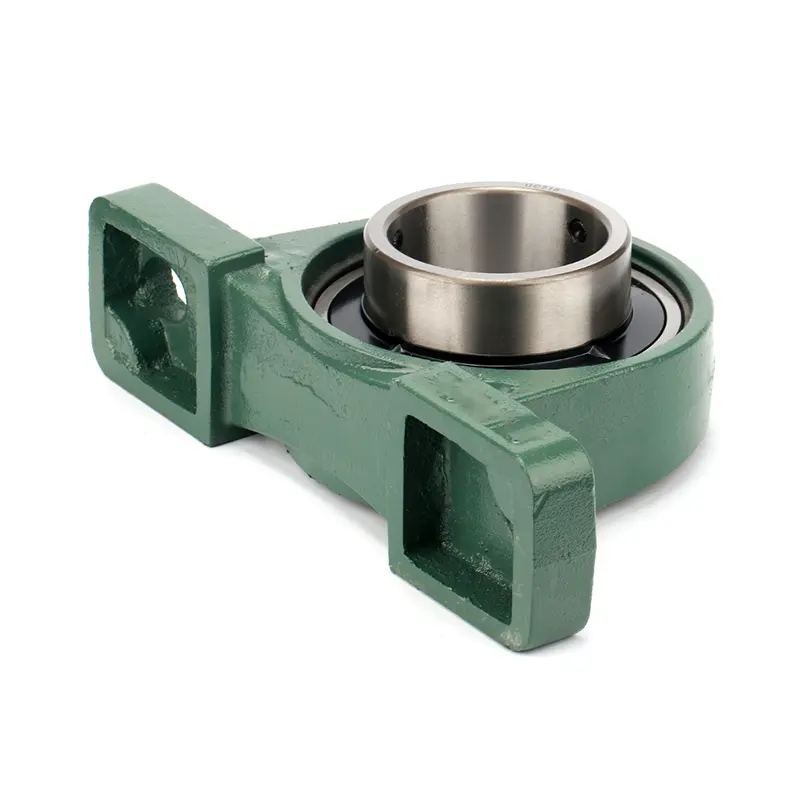
Root Cause Analysis: The Friction Generators
Let’s rank and examine the typical culprits. In our experience supplying bearings globally, installation and maintenance errors cause far more overheating than manufacturing defects.
1. Lubrication Issues (The #1 Cause)
- Over-greasing: This is extremely common. The cavity inside a pillow block is finite. Filling it 100% full leaves no room for the grease to move. The rolling elements must constantly churn through a solid mass of grease. This churning creates tremendous friction and heat. The heat then breaks down the grease, worsening the problem.
- Under-greasing / Wrong Grease: Not enough grease fails to create a full protective film. The wrong grease type may not have the viscosity or additives to handle the load or temperature, leading to film collapse.
2. Misalignment
When the shaft and housing bores are not aligned, the bearing is forced to operate crookedly.
- Effect: The rollers cannot roll smoothly along the raceways. They scrub and skid. This skidding friction generates significant heat. It also causes edge loading, concentrating stress and wear.
- Common Sources: Bent shafts, warped baseplates, improper shimming during installation, foundation settlement.
3. Excessive Internal Preload
This means the bearing has no internal clearance; it is axially compressed even at rest.
- Causes:
- Incorrect Fits: Too tight an interference fit on the shaft can squeeze the inner ring and reduce clearance.
- Thermal Expansion: Using a C3 clearance bearing in a high-heat application where C4 is needed. Heat expansion removes all clearance.
- Incorrect Setting: For bearings that require adjustment (like tapered rollers in some housings), setting them too tight.
- Effect: The rollers are under constant pressure, creating high rolling friction from the start.
4. Overload or Improper Bearing Selection
The bearing is simply too small for the applied radial or axial load. The excessive stress creates high internal friction and heat. This is less common than installation errors but happens when machinery is modified or used beyond its original design.
5. Seal Drag
Heavy contact seals (like some rubber lip seals) create constant friction, especially when new or if the shaft is rough. While designed to run warm, excessive drag can contribute to overheating.
| Probable Cause | How It Creates Heat | Diagnostic Clues | Corrective Action |
|---|---|---|---|
| Over-greasing | Churning loss in grease cavity. | Hot soon after regreasing; grease purging violently from seals. | Purge excess grease; follow mfg. fill guidelines (often 1/3 to 1/2 full). |
| Misalignment | Roller skidding and edge loading. | High vibration, especially at 2x running speed; uneven wear marks. | Realign shaft and housings with laser or straightedge. |
| Excessive Preload | No internal clearance, constant high friction. | Hot even at startup; stiff rotation by hand. | Check fits; use correct clearance (C4 for hot apps); re-adjust if applicable. |
| Under-lubrication | Metal-to-metal contact. | Squealing noise; dry, discolored grease. | Relubricate with correct type and quantity. |
| Overload | Excessive stress on contact areas. | Hot under load, cooler idle; possible noise. | Verify loads; consider next size bearing or different type. |
For the maintenance team, this list is a troubleshooting guide. When they find a hot bearing, they should first ask: "Was it recently greased?" (Check for over-greasing5). Then, "Has anything shifted?" (Check alignment). Then, "Is the load normal?" By systematically checking the most probable causes, they can usually find and fix the problem without randomly replacing parts.
Conclusion
Effectively diagnosing pillow block bearing issues means correlating specific symptoms (noise, heat, vibration) with their root causes (lubrication, alignment, wear). Early detection of subtle changes and systematic troubleshooting of overheating prevent minor issues from escalating into major machine failures.
-
Understanding lubrication’s role is crucial for preventing overheating and ensuring bearing longevity. ↩ ↩ ↩ ↩ ↩ ↩
-
Exploring misalignment’s impact can help you avoid costly repairs and improve machinery efficiency. ↩ ↩ ↩ ↩
-
Learning about preload issues can enhance your bearing setup and prevent overheating. ↩ ↩ ↩ ↩
-
Discovering overload effects can guide you in selecting the right bearings for your applications. ↩ ↩ ↩ ↩
-
Identifying over-greasing can save you from premature bearing failure and costly downtime. ↩ ↩ ↩
-
Understanding lubricant breakdown is crucial for preventing bearing failure and ensuring machinery longevity. ↩