
Your machine’s spherical roller bearing fails. You face a critical choice: a premium SKF bearing at a high price, or a Chinese alternative at a fraction of the cost. The wrong choice can mean excessive expense or unexpected downtime. How do you decide where to invest?
Use premium brand bearings (SKF, Timken) for critical, high-load, high-speed, or warranty-sensitive applications where failure cost is extreme. Use high-quality Chinese bearings (like FYTZ) for general industrial, aftermarket, and cost-sensitive applications where reliable performance at a competitive price is the primary goal.
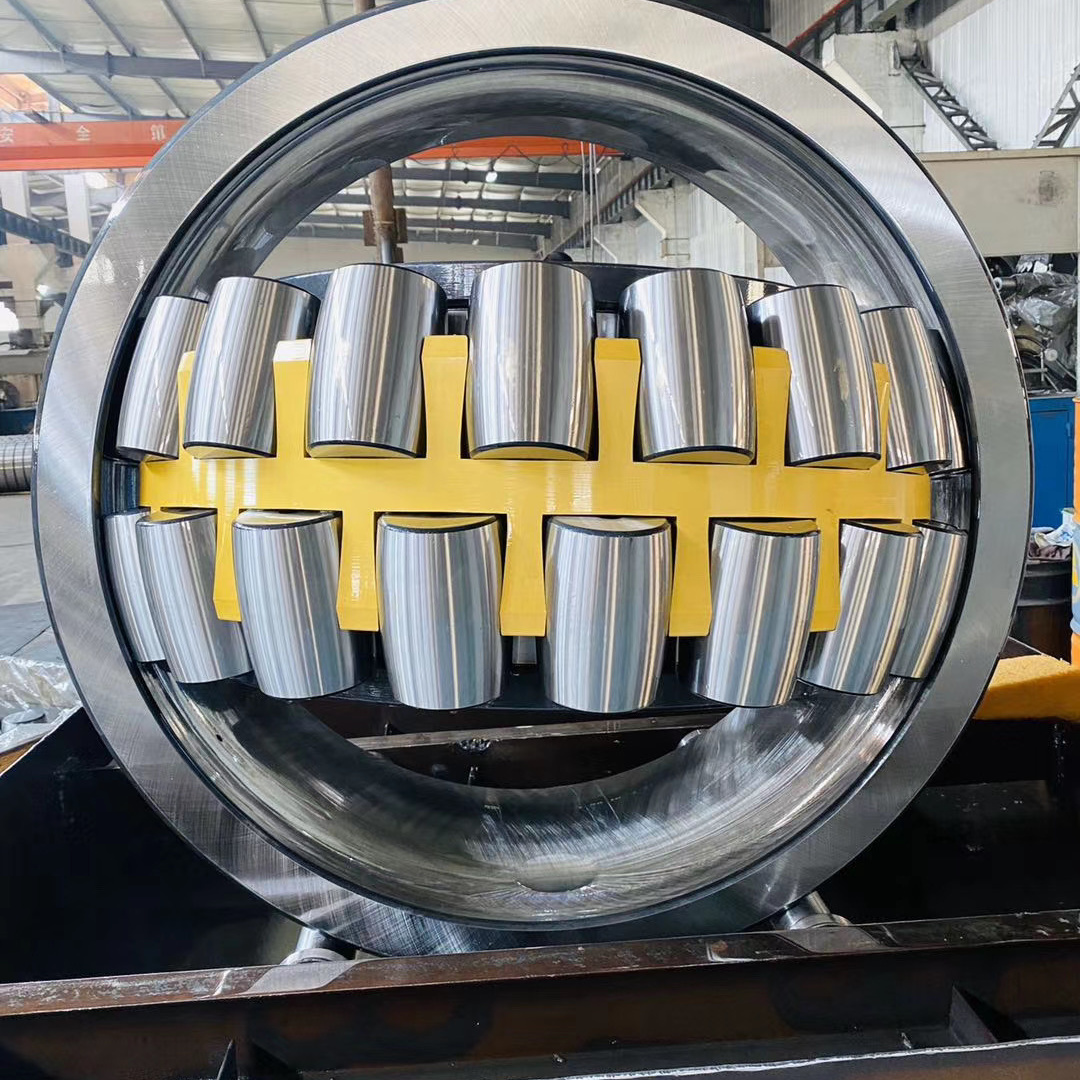
This decision is not about one being universally "better." It is a strategic calculation of risk, application demands, and total cost of ownership. To make the smart choice, we need to answer four key questions that define the landscape.
Does China make good wheel bearings?
This is a common and fair question from buyers like Rajesh. The reputation of Chinese manufacturing has two extremes: cheap and low-quality, versus high-tech and advanced. The truth, like most things, is in the middle and depends entirely on which Chinese manufacturer you choose.
Yes, many Chinese manufacturers produce good quality wheel bearings that meet or exceed international standards. The key is selecting factories with integrated production, strict quality control (like ISO certification1), and a focus on export-quality materials2, rather than sourcing from the unbranded commodity market.
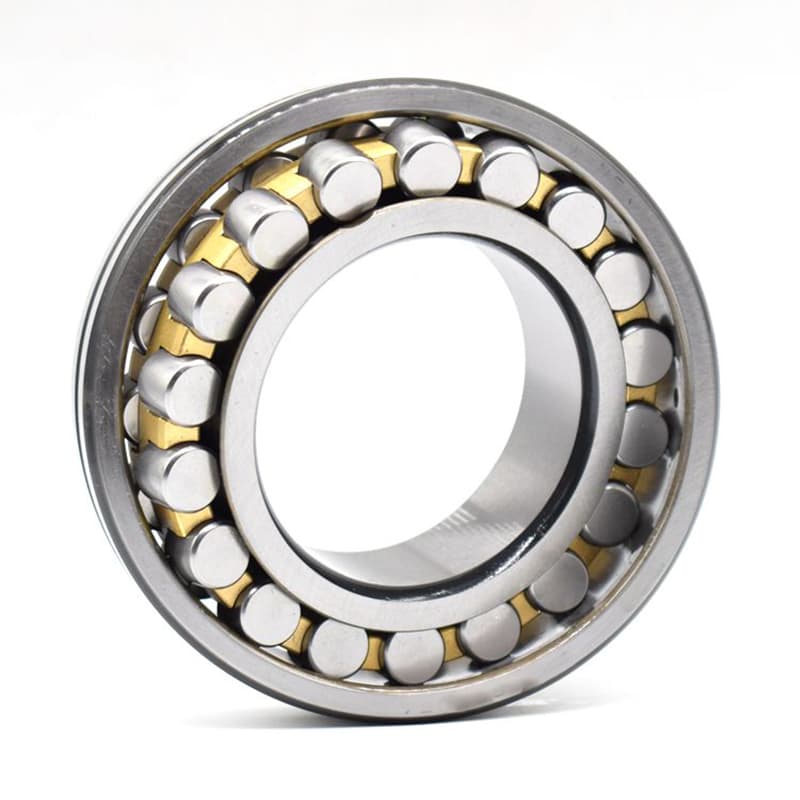
Understanding the Spectrum of Chinese Bearing Quality
As a bearing factory owner in China, I see the full range daily. The market is not monolithic. It is sharply divided into tiers, and knowing the difference protects your business.
Tier 1: The High-Value, Quality-Export Factories
This is where companies like FYTZ operate. Our business model is built on serving the global B2B market with reliable products.
- How we make "good" bearings: We use standardized bearing steel3 (like GCr154), modern CNC grinding machines, automated heat treatment lines5, and 100% final inspection. We test dimensions, radial clearance, rotation torque, and noise. We provide material certificates and inspection reports.
- The Goal: Our bearings deliver 90-95% of the performance and service life of a premium brand, at 50-70% of the cost. For a wheel bearing on a commercial truck or an industrial gearbox, this represents the optimal value point—reliable performance without the brand premium.
Tier 2: The Domestic-Focused Large Conglomerates
Companies like C&U, ZWZ, and LYC are giants. They produce massive volumes, often for the Chinese domestic OEM market and large projects. Their quality is generally good, but their focus and supply chain for international distributors can be less flexible.
Tier 3: The Commodity & "Gray Market" Workshops
This tier fuels the "bad" reputation. These are small, uncertified workshops. They may use sub-standard or recycled steel, have minimal process control, and skip critical inspections. Their only selling point is the rock-bottom price. These bearings are a gamble and often fail prematurely.
The Verdict on "Good":
A "good" Chinese wheel bearing is not defined by its country of origin, but by its manufacturing pedigree. You must look for proof:
- Factory Audit: Can the supplier provide factory photos/videos of their production and inspection lines?
- Certification: Do they have ISO 9001 quality system certification?
- Documentation: Can they provide a 3.1 Material Certificate6 and dimensional inspection reports7?
- Warranty & Reputation: Do they stand behind their product with a clear warranty? Do they have established export customers?
| Chinese Manufacturer Tier | Target Market | Quality Hallmarks | Risk Level | For Buyers Like Rajesh… |
|---|---|---|---|---|
| Commodity Workshops | Ultra low-cost replacement | Low price only. No certificates. | Very High | Avoid. Damages reputation with unreliable failures. |
| Large Domestic Conglomerates | Domestic OEMs, large projects | Good quality, but may lack export service focus. | Medium | Possible source, but may have high MOQs and less agility. |
| Export-Focused Quality Factories (e.g., FYTZ) | Global B2B distributors & OEMs | ISO processes, full documentation, reliability focus. | Managed Low | Ideal partner. Provides balanced cost/performance for aftermarket sales. |
So, does China make good wheel bearings? Absolutely. But Rajesh must be a selective buyer. He should partner with a factory from the third tier—one that proves its quality through actions and documents, not just words. This allows him to offer his customers a reliable, cost-effective alternative to premium brands, building his business on value, not just price.
Is skf or timken better?
This is like asking if a hammer is better than a wrench. Both SKF and Timken are exceptional premium brands, but they have different historical strengths and product focus. The "better" choice depends on your specific need and the type of bearing.
For spherical roller bearings1 and a wide range of general industrial applications, SKF often has a broader global presence and product range. For tapered roller bearings2 and very heavy-duty applications, Timken, as the inventor of the tapered roller bearing, is often considered the specialist. Both offer top-tier quality and support.
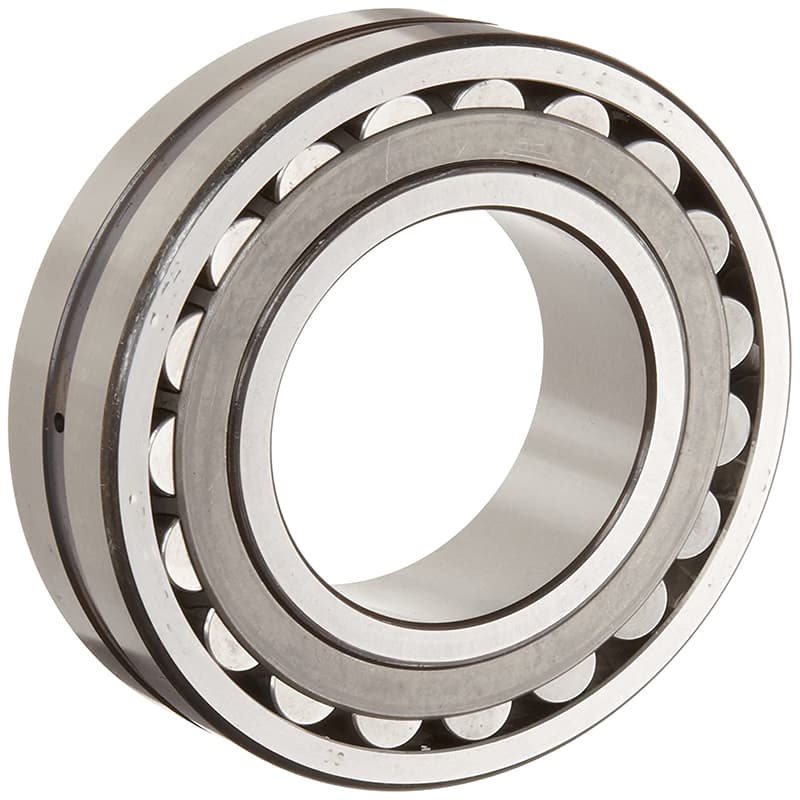
Decoding the Strengths of Two Giants
In the premium segment, you are paying for peak performance, extensive R&D, and global technical support. But even here, nuances matter.
SKF (Sweden): The Comprehensive Generalist
- Heritage & Range: SKF is one of the world’s largest and broadest bearing manufacturers. They produce virtually every type of rolling bearing.
- Strength in Spherical Rollers: SKF has heavily invested in spherical roller bearing technology. Their "E" design (symmetrical rollers) is a benchmark for high capacity and efficiency in this category. They offer a very wide range of spherical roller bearings1, including sealed units and specialty types.
- Ecosystem Approach: SKF excels at providing more than just a bearing. They offer condition monitoring systems3, lubrication solutions4, and extensive engineering services. For a plant manager wanting a full reliability program, SKF is a strong partner.
Timken (USA): The Focused Specialist
- Heritage & Focus: Timken invented the tapered roller bearing. Their DNA is in tapered and spherical roller bearings1 designed for heavy industry. They are renowned for application engineering5 in sectors like mining, steel, and heavy equipment.
- Strength in Heavy-Duty & Large Bore: Timken is often the go-to for extremely large, custom-engineered spherical and tapered roller bearings2 for giant mining trucks, wind turbines, and rolling mills. Their metallurgy and heat treatment for large bearings are legendary.
- Power Transmission: Timken has a strong complementary business in gears, couplings, and belts, allowing them to provide complete power transmission solutions6.
The "Better" Decision Matrix:
For a standard spherical roller bearing replacement in a pump or conveyor, both will offer excellent, nearly indistinguishable performance. The choice may come down to local distributor support, price, and availability.
| Application Scenario | Likely "Better" Choice | Primary Reason |
|---|---|---|
| Standard Spherical Roller Bearing (222 series) | SKF or Timken are equal | Both meet and exceed ISO standards. Choose based on local stock and price. |
| Heavy-Duty Mining Truck Wheel Bearing | Timken | Deep heritage in ultra-heavy-duty, off-road application engineering5. |
| Spherical Roller Bearing for a High-Efficiency Design | SKF | Strong R&D in optimized internal geometry (E-design) for reduced friction. |
| Requiring Full Plant Lubrication & Monitoring Services | SKF | Broader portfolio of complementary maintenance and monitoring solutions. |
For Rajesh, who deals primarily in the aftermarket, this knowledge helps him guide customers. If a customer insists on a premium brand for a gearbox rebuild, he can confidently offer either SKF or Timken based on what he can source reliably. He also understands that for the vast majority of his customers’ needs—general industrial repair—the performance delta between these two premium brands is negligible compared to the cost delta between a premium brand and a high-quality Chinese alternative. The real question for his business is not "SKF or Timken?" but "Premium or Value-for-Money?"
Are aftermarket wheel bearings1 as good as OEM?
This question strikes at the heart of Rajesh’s business. "OEM" means the bearing supplied with the original machine, often from a premium brand2. "Aftermarket" covers everything else, from other premium brand2s to value brands. The answer is not a simple yes or no; it is a conditional "it depends on the aftermarket supplier’s quality."
High-quality aftermarket wheel bearings from reputable manufacturers (including other premium brands or certified value brands) can be as good as, or even better than, the original OEM bearing. However, low-cost, uncertified aftermarket bearings often use inferior materials and processes, leading to shorter life and higher risk of failure.
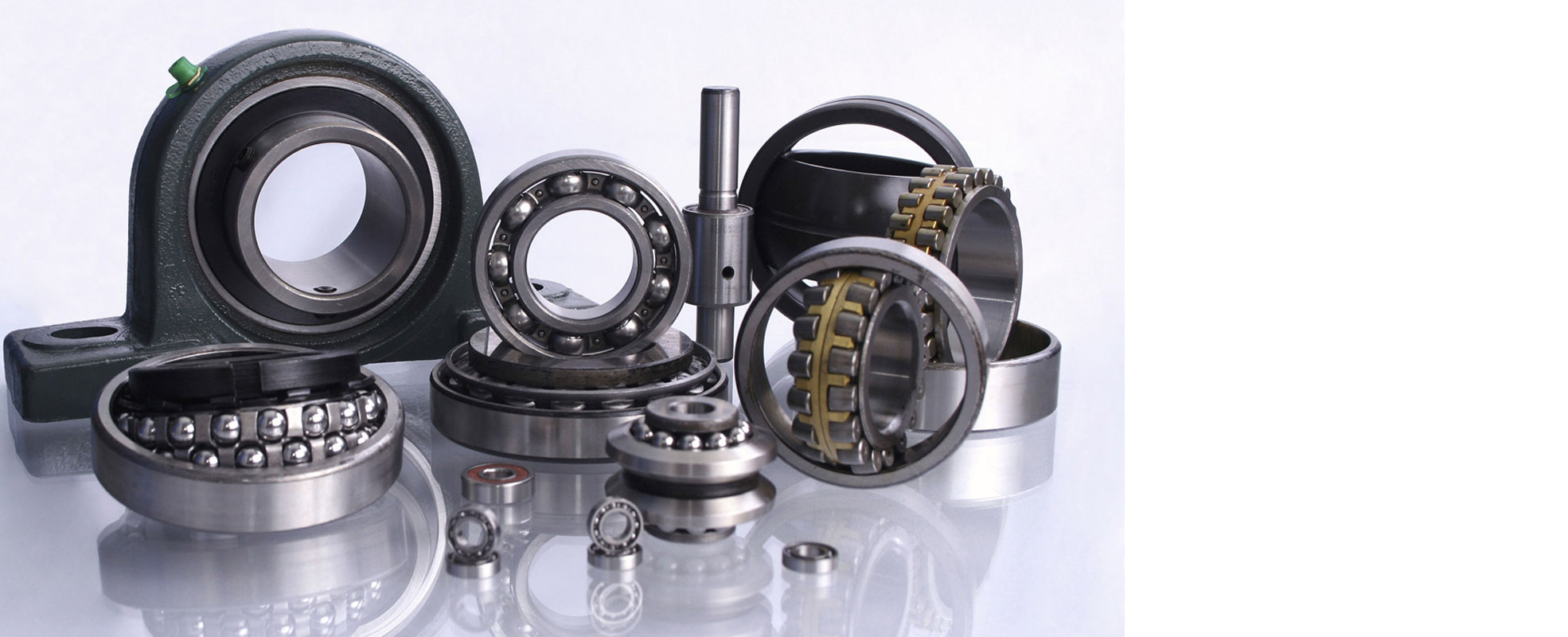
Deconstructing the "OEM" Myth and the "Aftermarket" Reality
The term "OEM" creates an aura of guaranteed quality. But in practice, an OEM bearing3 is simply the bearing the original equipment manufacturer chose for that design based on their own cost/performance calculation at that time.
What "OEM" Really Means:
- A Specification, Not a Magic Part: The machine builder selected a bearing that met their design requirements for load, speed, and life at a price that fit their cost structure. This could be a premium SKF bearing, or it could be a value-tier bearing from a reliable supplier.
- Potential for "Value Engineering": Sometimes, the OEM may later switch to a lower-cost bearing supplier to reduce production costs, even for the same part number. The "OEM" part in year five might not be identical to the one in year one.
The Aftermarket Spectrum:
- Premium Brand Cross-Reference: This is an aftermarket bearing from SKF, Timken, NSK, etc., that matches the OEM specification. In terms of material quality, precision, and performance, it is often identical or superior to the original. It is "aftermarket" only in the sales channel.
- Quality Value Brand (e.g., FYTZ): This bearing is manufactured to the same ISO dimensional and performance standards. It uses good materials and controlled processes. It may have a 10-15% lower calculated fatigue life (L10) than the premium equivalent, but at a 30-50% lower cost. For a repair scenario, this often represents the best value—reliable performance without overpaying for marginal life extension.
- Low-Cost Generic: This bearing cuts corners. The steel may be softer, heat treatment inconsistent, and tolerances loose. It may fit and work initially but fails prematurely under load. This gives the entire aftermarket a bad name.
When Aftermarket Can Be "Better":
- Upgraded Specifications: An aftermarket supplier might offer a bearing with C3 clearance4 where the OEM used CN, better suiting the actual operating conditions.
- Improved Sealing: An aftermarket unit might come with better contact seals (2RS) than the original’s basic shields (ZZ), offering more protection in harsh environments.
| Bearing Source | Quality Proxy | Likely Performance vs. Original OEM | Total Cost of Ownership |
|---|---|---|---|
| Original OEM Part | Defined by OEM’s choice. | Baseline (100%). | High (part cost + potential OEM markup). |
| Premium Brand Aftermarket | Same as high-end OEM. | Equal or Slightly Better (100-105%). | High (similar to OEM price). |
| Quality Value Brand Aftermarket | ISO certs, material reports. | Slightly Lower but Reliable (85-95%). | Lowest (optimal value for money). |
| Unbranded Low-Cost Aftermarket | No verifiable credentials. | Significantly Lower, Unpredictable (50% or less). | Highest (due to failure & downtime). |
For Rajesh’s customers—auto repair shops and industrial mechanics—the goal is to fix the machine reliably and profitably. Recommending a quality value brand5 aftermarket bearing from a trusted supplier like FYTZ allows the shop to offer a competitive repair quote with a reliable part. The bearing will last for years, protecting the shop’s reputation. The shop avoids the high cost of the OEM part and the extreme risk of the no-name part. In this context, the right aftermarket bearing is not just "as good as" OEM; it is the smarter business decision.
Who makes the best roller bearings1?
This is the ultimate question, and the honest answer is frustrating: "It depends on what you need them for." The "best" bearing for a satellite is useless in a rock crusher, and vice versa. The concept of a single "best" manufacturer across all applications is a myth.
There is no single "best" roller bearing manufacturer for all applications. SKF2, Timken3, and NSK4 are leaders in premium technology and consistency. For the best balance of reliable performance and cost in most industrial and automotive aftermarket applications, quality-focused Chinese manufacturers like FYTZ Bearing provide the optimal solution.
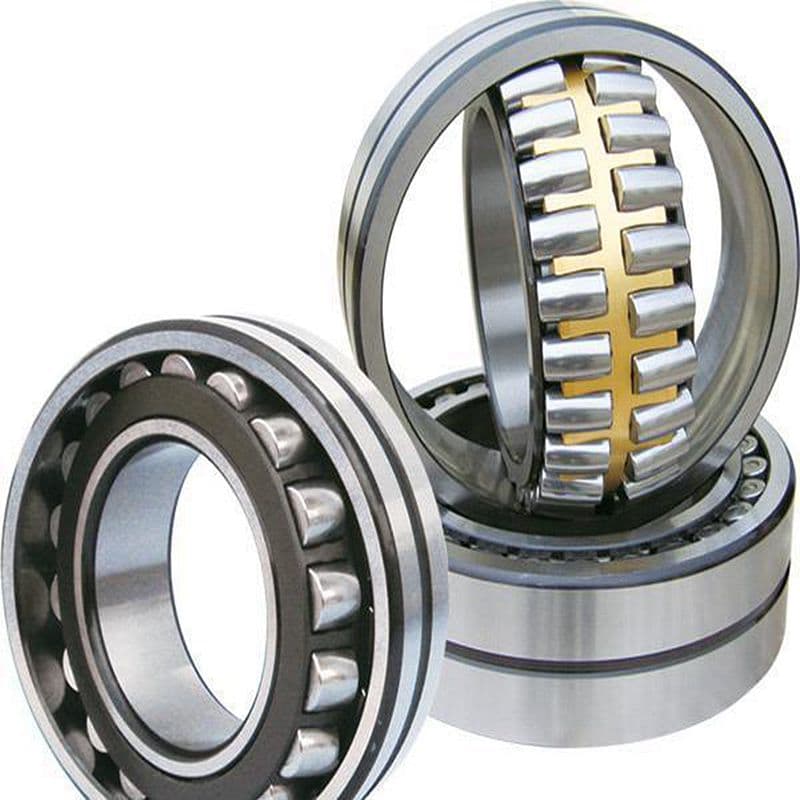
Defining "Best" in Different Realms of Performance
The bearing industry serves vastly different markets, each with its own definition of "best." Let’s categorize these realms.
The Realm of Peak Performance & Innovation (Premium Brands)
Here, "best" means pushing the limits of physics and materials science.
- Manufacturers: SKF2, Timken3, Schaeffler (INA/FAG), NSK4.
- "Best" For: Applications where failure cost is catastrophic or performance margins are thin. Examples include:
- Aerospace bearings (very high speed, extreme reliability).
- High-precision machine tool spindles (nanometer-level runout).
- Main shaft bearings for multi-megawatt wind turbines (20+ year design life).
- Cost Equation: The premium price is justified by the value of avoided failure or gained performance. This is not the realm for cost-saving.
The Realm of High-Value Reliability (Quality Value Brands)
Here, "best" means delivering dependable, long service life at a rational cost. This covers 80% of industrial applications.
- Manufacturers: Reputable, export-focused factories like FYTZ Bearing5, and some lines from larger Asian conglomerates.
- "Best" For: General industrial machinery6 (pumps, motors, gearboxes, conveyors), commercial vehicle aftermarket, agricultural equipment, and cost-conscious OEMs.
- How they achieve it: By using modern, efficient manufacturing and strict process control to produce bearings that meet international standards (ISO, JIS) without the overhead of global R&D and marketing.
- Cost Equation: This offers the best practical value. The performance is more than adequate for the application, and the savings are direct and significant.
The Realm of Pure Cost (Commodity Brands)
Here, "best" means lowest initial purchase price. Performance and life are secondary.
- Manufacturers: Unbranded workshops with minimal quality systems.
- "Best" For: Non-critical applications where bearing failure is a minor nuisance, or for disposable equipment. It is rarely the correct choice for serious industrial or automotive repair.
- Cost Equation: A false economy. The low purchase price is negated by high risk of premature failure and associated downtime costs.
| "Best" For This Priority | Recommended Manufacturer Tier | Example Application | Key Question to Ask |
|---|---|---|---|
| Maximum Performance, No Budget Limit | Premium Global Brands (SKF2, Timken3) | Jet engine, Formula 1, high-speed spindle | "What is the absolute best technical solution?" |
| Reliable Performance at Optimal Cost | Quality Value Brands (e.g., FYTZ) | Conveyor pulley, truck wheel hub, industrial fan | "What gives me reliable service life for the best price?" |
| Lowest Initial Purchase Price | Commodity Workshops | Non-powered furniture, very light-duty toys | "What is the cheapest thing that will fit?" |
For Rajesh, as a distributor, the "best" manufacturer is the one that allows him to serve his customers’ realm profitably. His customers in repair shops need reliable parts at fair prices. Therefore, the "best" manufacturer for his business is a quality value brand that provides consistent products, good documentation, and a partnership approach. This allows him to build his own brand’s reputation for value and reliability, which is far more powerful in his market than simply reselling someone else’s premium brand at a tiny margin.
Conclusion
The choice between premium and Chinese spherical roller bearings is a strategic value calculation, not a question of absolute quality. Match the bearing’s capability and cost to the criticality of your application, and always verify quality through documentation, not just brand name or price.
-
Understanding roller bearings is crucial for selecting the right type for your needs. ↩ ↩ ↩ ↩ ↩ ↩
-
Explore SKF’s innovations and technologies that set them apart in the bearing industry. ↩ ↩ ↩ ↩ ↩ ↩ ↩ ↩
-
Discover Timken’s commitment to quality and performance in bearing solutions. ↩ ↩ ↩ ↩ ↩ ↩
-
Learn about NSK’s engineering excellence and how it benefits various applications. ↩ ↩ ↩ ↩ ↩
-
Find out how FYTZ Bearing offers quality solutions at competitive prices. ↩ ↩ ↩ ↩ ↩
-
Understand the role of roller bearings in enhancing the efficiency of industrial machinery. ↩ ↩ ↩
-
These reports are vital for ensuring that products meet specified dimensions and tolerances. ↩
