
Your customer’s car won’t start, or the battery keeps dying. Often, the problem is a failed bearing inside the alternator or starter. Choosing the wrong replacement bearing leads to quick comebacks and unhappy customers. I see this issue often in the aftermarket.
Deep groove ball bearings are the most common type used in automotive alternators and starters. They handle high speeds, moderate loads, and some axial thrust in a compact space. For the aftermarket, selecting bearings with the correct size, seal, and grease is critical for reliable, long-lasting performance.
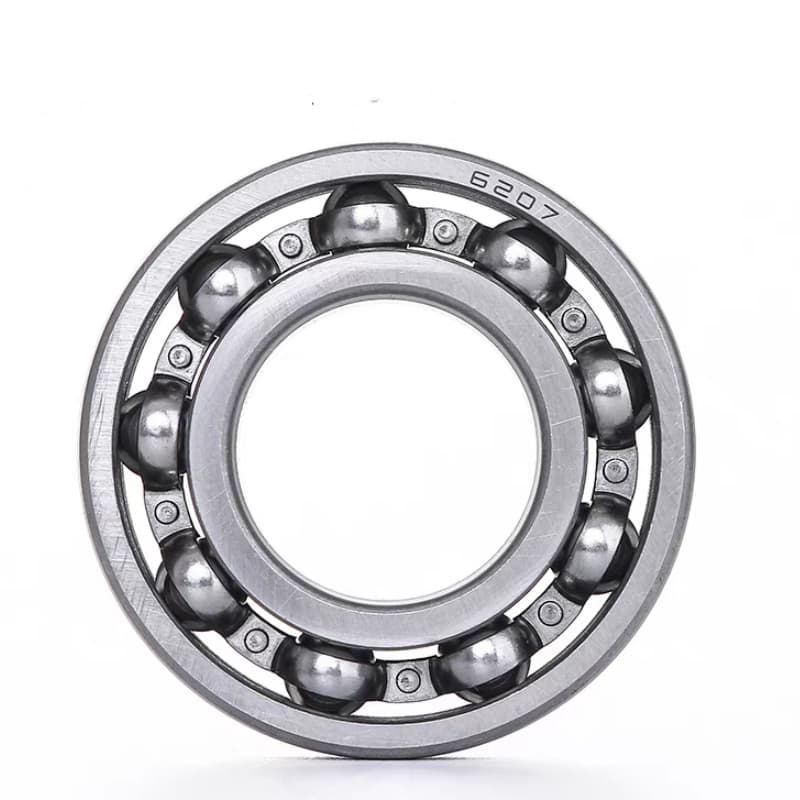
Replacing these bearings is a major business for distributors like Rajesh in Mumbai. But not all bearings are equal. Understanding the specific requirements, advantages, and potential weaknesses of deep groove ball bearings in these applications is key. This guide will explain what makes them work and how to choose the best ones for your customers.
What are the disadvantages of deep groove ball bearings?
Deep groove ball bearings are excellent for many jobs, but they are not perfect for every situation. Knowing their limits helps you avoid using them where they might fail quickly, especially in demanding automotive environments.
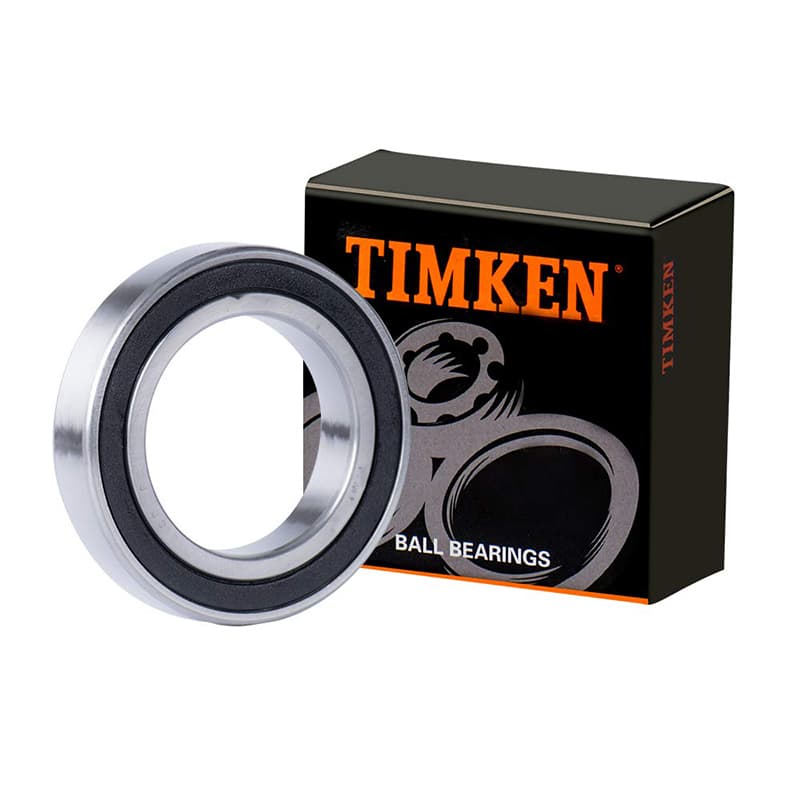
The main disadvantages are their limited capacity for very heavy loads, sensitivity to misalignment1 and contamination, and higher noise if not made precisely. In automotive applications, these weaknesses can lead to premature failure if the bearing is undersized, poorly installed, or exposed to extreme heat and dirt.
Why These Disadvantages Matter in Alternators and Starters
Let’s look at each disadvantage through the lens of an auto repair shop. A failed bearing means a comeback for the shop and a return for you, the distributor.
First, limited load capacity2. Deep groove ball bearings use point contact. This is good for speed but not for extreme weight.
- Starter Motors: During engine cranking, the starter pinion gear meshes with the flywheel. This creates a sudden shock load and high axial thrust. A deep groove ball bearing in the starter must be robust enough for this. An undersized or low-quality bearing can brinell (dent) or crack under this shock.
- Alternators: The load is primarily from the belt tension (radial load) and the magnetic forces inside. Usually, this is well within the bearing’s capacity. However, an over-tightened serpentine belt can dramatically increase the radial load, leading to early fatigue.
Second, sensitivity to misalignment1. The alternator or starter housing must be machined accurately. If the bearing seats are not perfectly aligned, the bearing experiences internal stress.
- Result: This stress causes uneven wear, increased heat, and much shorter bearing life. The bearing might start making noise long before its expected service time. For a repair shop, this sounds like a defective part, but the root cause is often installation or housing damage.
Third, vulnerability to contamination and heat3. This is a major challenge under the hood.
- Dirt and Debris: Road dust, water, and brake dust can bypass seals. Contaminants inside the bearing act like abrasive powder, grinding away at the raceways and balls.
- High Temperature: Engine bay temperatures can exceed 120°C (250°F). Standard greases can break down, liquefy, or dry out. High temperatures can also soften the bearing steel, reducing its hardness and load capacity.
- Electrical Current: In alternators, stray electrical currents can pass through the bearings. This can cause a phenomenon called "electrical erosion4" or fluting, where small pits are etched into the raceways.
Here is a table linking these disadvantages to real-world aftermarket problems:
| Disadvantage | Automotive Application Impact | Typical Symptom for the End-User |
|---|---|---|
| Shock Load Limit | Starter motor engagement shock. | Starter grinds or jams; slow cranking. |
| Misalignment Sensitivity | Damaged alternator housing or poor installation. | Whining or grinding noise from alternator. |
| Contamination Sensitivity | Failed seals allowing in road salt, water. | Bearing seizes; alternator/starter stops turning. |
| High-Temperature Limit | Standard grease breakdown near exhaust. | Noise increases over time; premature wear. |
The key is to mitigate these disadvantages. At FYTZ, when we produce auto bearings, we address these points. We use high-temperature, high-speed grease. We specify seals designed for contaminant exclusion. We ensure our bearings have the correct internal clearance to handle some thermal expansion. Knowing the disadvantages allows us, and you, to select and supply a bearing that is engineered to overcome them.
What type of bearing is used in an alternator?
The modern automotive alternator relies on a specific bearing setup to handle its unique operating conditions. Using the wrong type of bearing is a common reason for aftermarket failure.
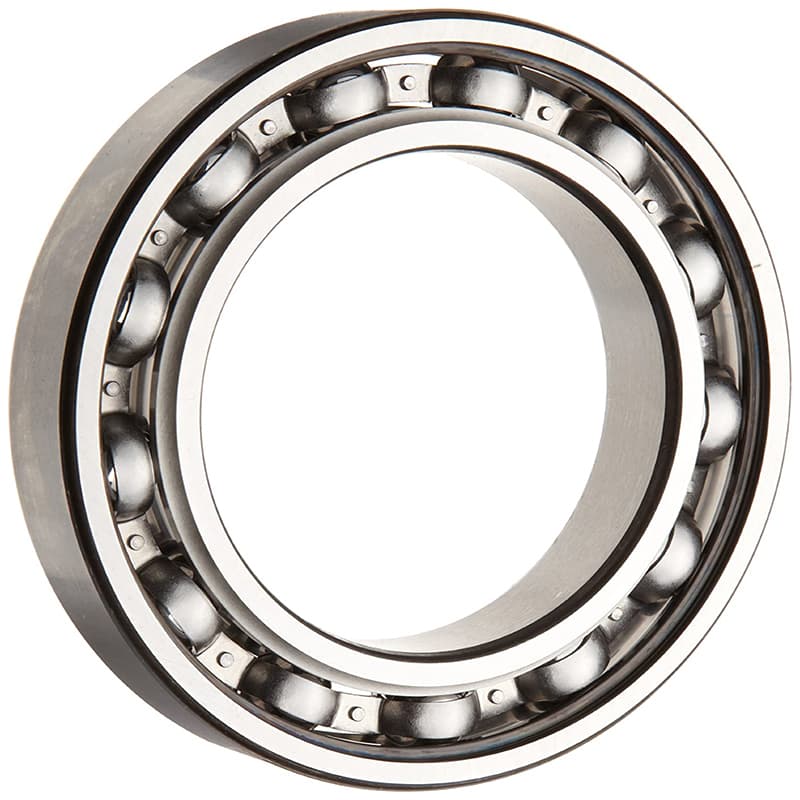
Most automotive alternators use two deep groove ball bearings1, one on the drive end (larger) and one on the slip ring end (smaller). These are often pre-greased, sealed, and sometimes have special features like insulation to prevent electrical damage. They are chosen for their ability to run at very high speeds2 with low friction.
The Specifics of Alternator Bearing Design and Selection
Not every deep groove ball bearing is right for an alternator. Let’s look at why this specific type is used and what makes a good alternator bearing.
Why Deep Groove Ball Bearings? Alternators spin at very high speeds2—often 2 to 3 times the engine speed. A V6 engine at 3000 RPM can have an alternator spinning at 9000 RPM or more. Deep groove ball bearings have low friction losses, which is essential for efficiency. They also handle the combined loads: radial load from belt tension and moderate axial loads from magnetic pull and belt side forces.
The Two-Bearing Setup.
- Drive End Bearing: This bearing is closer to the pulley. It carries the majority of the radial load from the belt. It is usually the larger of the two bearings. It must also handle some axial thrust from belt forces.
- Slip Ring End Bearing: This bearing supports the other end of the rotor shaft. It primarily handles radial load and helps maintain shaft alignment. It is often smaller.
Critical Design Features for Alternator Bearings:
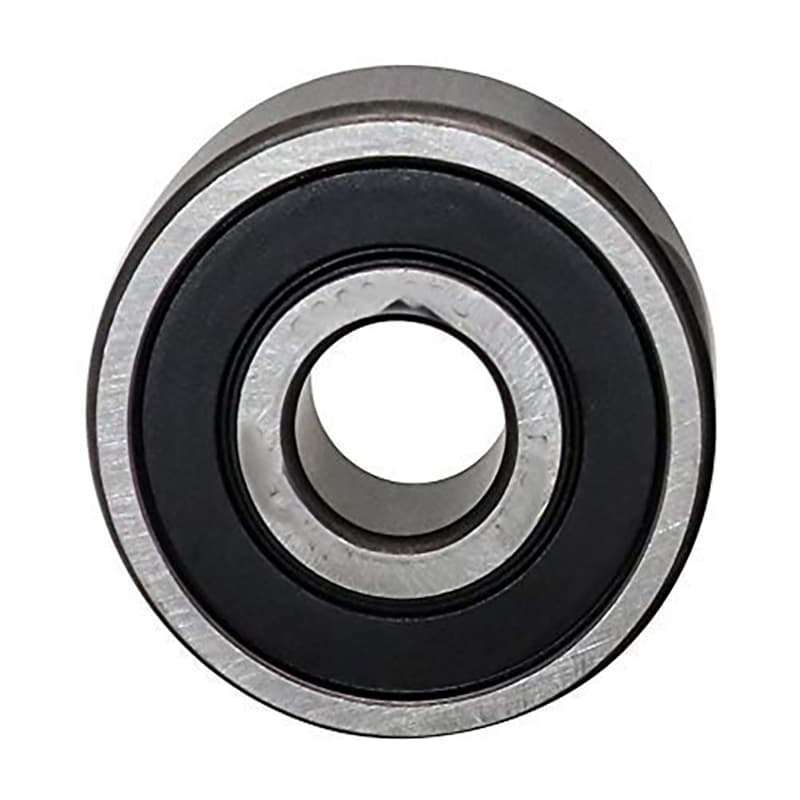
- Seals: Most alternator bearings are "sealed for life3" (2RS type). The rubber contact seals keep grease in and contaminants out. The seal material must withstand high temperatures and resist engine chemicals.
- Grease: This is possibly the most important factor. Alternator bearing grease must:
- Work at high speeds2 without churning or leaking.
- Remain stable at high temperatures (up to 150°C).
- Have a long service life, often matching the life of the alternator itself.
- Internal Clearance: Bearings expand when they get hot. Alternator bearings often use a C3 or greater internal clearance4. This extra space prevents the bearing from becoming too tight and overheating when it reaches operating temperature.
- Electrical Insulation: Some modern alternators, especially in hybrid or start-stop systems, use bearings with an insulated coating on the outer ring. This coating prevents stray electrical currents from passing through the bearing and causing erosion damage (fluting).
Common Aftermarket Challenges and Solutions.
When Rajesh sources replacement alternator bearings, he faces a few key decisions:
- OEM Spec vs. Generic5: A generic 6203 bearing might fit, but it may not have the correct grease or clearance. This leads to early failure. It is better to source bearings made specifically for alternator applications.
- Identifying the Correct Bearing: Alternator bearings often have special part numbers. They might have extended inner rings, special shields, or different snap ring grooves. Having a good cross-reference guide or working with a supplier who understands auto applications is vital.
- Quality of Materials: A cheap bearing might use lower-grade steel that loses hardness under the hood’s heat. Or it might have poor-quality seals that let in moisture.
Here is a comparison of bearing features for alternators:
| Feature | Standard Industrial Bearing | Application-Specific Alternator Bearing | Benefit for Alternator |
|---|---|---|---|
| Grease Type | General purpose, medium temp. | High-speed, high-temperature synthetic. | Prevents grease breakdown, reduces friction losses. |
| Internal Clearance | Normal (CN) clearance. | C3 or C4 (greater) clearance. | Compensates for thermal expansion, prevents seizure. |
| Seal Type & Material | Standard nitrile rubber seal. | High-temp fluorocarbon rubber seal. | Better resistance to heat and oil contamination. |
| Special Features | None. | Possibly insulated coating or special snap ring groove. | Prevents electrical erosion; ensures proper fit. |
At FYTZ, we produce a range of auto-specific deep groove ball bearings1. We know that an alternator bearing is not just a standard item. We adjust our grease filling, clearance selection, and seal choices to match the harsh under-hood environment. This ensures that the bearings Rajesh sells to repair shops perform reliably and build trust in his brand.
What are the advantages of deep groove ball bearings?
For all their potential weaknesses, deep groove ball bearings dominate applications like alternators and starters for very good reasons. Their advantages are perfectly matched to the needs of high-speed, compact automotive components.
The key advantages are high-speed capability with low friction1, the ability to handle both radial and some axial loads, quiet and smooth operation2, simple and compact design3, and cost-effectiveness4. These traits make them the ideal choice for the demanding environment of automotive rotating electrical units.
How These Advantages Translate to Automotive Performance
Let’s break down each advantage and see how it directly benefits an alternator or starter motor, and by extension, you as a parts distributor.
High-Speed Capability with Low Friction. This is the number one reason they are used.
- Physics: The point contact between balls and raceways creates minimal rolling resistance.
- Alternator Benefit: Low friction means less power is wasted spinning the alternator itself. More of the engine’s power is converted into electrical energy to charge the battery and run accessories. This improves overall vehicle efficiency.
- Starter Benefit: While starters don’t run continuously, low friction helps the motor spin up to cranking speed faster, putting less strain on the battery.
Ability to Handle Combined Loads. The deep, continuous raceways allow the bearing to manage forces from different directions.
- Radial Load: This is the primary load from belt tension (alternator) or gear reaction (starter).
- Axial Load: The deep groove geometry provides shoulders that support thrust loads. In an alternator, axial loads come from belt side forces. In a starter, axial load comes from the engagement solenoid pushing the pinion gear. A single deep groove bearing can handle both, simplifying the design.
Quiet and Smooth Operation. Precision-made deep groove ball bearings run very quietly.
- Benefit: A noisy alternator bearing is a common customer complaint. A high-quality bearing ensures quiet operation, which is a sign of reliability. For the repair shop, installing a quiet bearing means no comebacks for noise issues.
Simple and Compact Design. This is a major advantage for packaging under the hood.
- Easy to Install: They are typically not sensitive to installation order. This makes assembly and repair faster and less error-prone.
- Space-Saving: Compared to a combination of two different bearing types (like a radial ball bearing and a separate thrust washer), a single deep groove bearing saves space and parts count. This allows for smaller, lighter alternators and starters.
Cost-Effectiveness. This advantage is crucial for the high-volume automotive industry.
- Mass Production: These bearings are produced in enormous quantities worldwide. This drives down the unit cost.
- Value for Aftermarket: For distributors like Rajesh, this means he can source high-quality bearings at a competitive price. He can offer his repair shop customers a reliable part5 with a good profit margin. The customer gets a cost-effective repair.
The Advantage Summary for the Aftermarket:
When you supply a deep groove ball bearing for an alternator or starter, you are providing a component that is:
- Fast enough for the job.
- Strong enough for the loads.
- Quiet enough for customer satisfaction.
- Simple enough for easy installation.
- Affordable enough for a profitable business.
This combination is hard to beat. Other bearing types may excel in one area (like handling higher axial load), but they will fail in another (like being too slow or too expensive). The deep groove ball bearing is the perfect balanced solution for automotive rotating electrical applications6.
What is the difference between standard and deep groove ball bearings?
This question is common but contains a misunderstanding. The term "standard ball bearing" often refers to a deep groove ball bearing. It is the standard, most common type. A more accurate comparison is between deep groove ball bearings and other specific types of ball bearings.
The term "standard ball bearing" typically IS a deep groove ball bearing. The real differences are between deep groove and other designs like angular contact or self-aligning ball bearings. Deep groove bearings handle combined loads, while others are specialized for pure axial load, misalignment, or very high speeds.
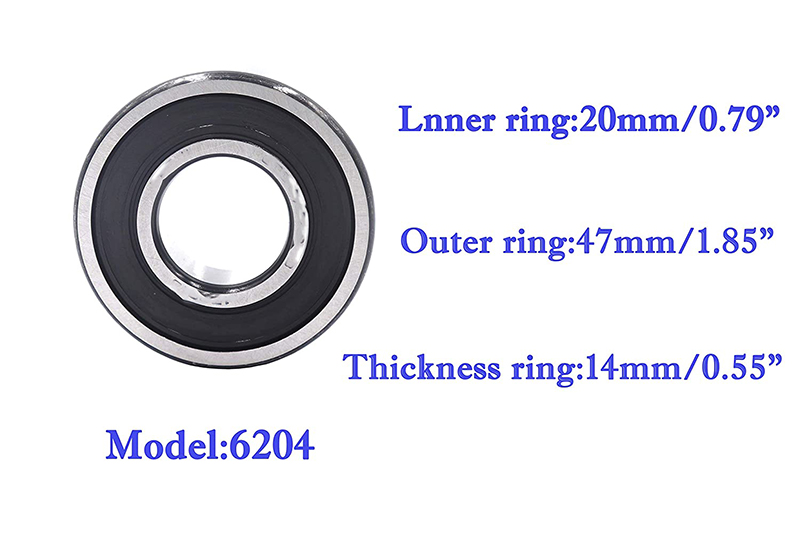
Clearing the Confusion: Deep Groove vs. Other Ball Bearing Types
To avoid mistakes in the aftermarket, it’s crucial to understand these differences. You cannot replace a deep groove bearing with an angular contact bearing without understanding the consequences.
Deep Groove Ball Bearing1 (The "Standard"):
- Raceway: Deep, continuous grooves in both inner and outer rings.
- Load Capacity2: Good for radial loads and moderate axial loads in both directions.
- Typical Use: Electric motors, alternators, starters, gearboxes, general machinery. This is the default, general-purpose choice.
Angular Contact Ball Bearing3:
- Raceway: The inner and outer ring raceways are offset. The shoulders are different heights.
- Load Capacity2: Designed specifically for heavy axial (thrust) loads in one direction, often combined with radial loads. They are usually used in pairs (back-to-back or face-to-face).
- Typical Use: Machine tool spindles, pump shafts, wheel hubs (where they are paired). They are not a direct substitute for a deep groove bearing in an alternator.
- Raceway: The outer ring has a spherical raceway. The inner ring and ball set can tilt.
- Load Capacity2: Good for radial loads; fair for axial loads. Their key feature is accommodating shaft misalignment.
- Typical Use: Applications where shaft deflection or mounting misalignment is expected, like long shafts or textile machinery. Not common in precision automotive electrical units.
Why This Matters for Auto Parts:
Let’s say a repair shop has a noisy alternator. They take out the old bearing. It is a deep groove ball bearing (e.g., 6203-2RS). If they accidentally replace it with an angular contact bearing (e.g., 7203B), several problems can occur:
- Wrong Load Direction: The angular contact bearing is designed for axial load in one specific direction. In the alternator, forces can reverse. This could overload the bearing incorrectly.
- Incorrect Fit: Angular contact bearings often require precise pre-load adjustment when installed in pairs. A single, wrongly installed one will have too much or too little internal clearance, causing immediate noise and failure.
- Different Dimensions: While the basic bore and outside diameter might be the same, the width or shoulder dimensions could be different, preventing proper installation.
Selecting the Correct Bearing: A Guide for Distributors.
As a distributor, Rajesh needs to help his customers avoid these mistakes. Here is a simple decision table based on application symptoms:
| Application Symptom / Need | Likely Bearing Type | Reason | Caution |
|---|---|---|---|
| General replacement in alternator, starter, or small motor. | Deep Groove Ball Bearing1 | Standard design for combined loads and high speed. | Ensure correct seals and grease for auto use. |
| Heavy one-direction thrust load (e.g., some pump shafts). | Angular Contact Ball Bearing3 | Specialized for thrust. | Must be installed in correct orientation and often in pairs. |
| Shaft is known to be bent or mounting is misaligned. | Self-Aligning Ball Bearing4 | Can accommodate misalignment. | Lower speed rating, not for high-precision applications. |
| Very high precision and rigidity (machine tool). | Angular Contact (paired) or special high-precision deep groove. | Provides stiffness and accuracy. | Very expensive, requires expert installation. |
The Bottom Line for the Aftermarket:
For 95% of automotive alternator and starter applications, the correct bearing is a deep groove ball bearing with automotive-grade specifications. The "standard" is the right choice. The key is not to confuse it with other specialized types. When sourcing, always provide the OEM part number5 or precise dimensions. At FYTZ, we help clients like Rajesh by cross-referencing these numbers to our catalog. We ensure they get the exact deep groove bearing their customers need, not just something that fits in the hole but will fail in operation.
Conclusion
For automotive alternators and starters, deep groove ball bearings offer the ideal balance of speed, load capacity, and reliability. Sourcing the right ones—with correct specs for seals, grease, and clearance—is crucial for a successful aftermarket parts business.
-
Explore the benefits of deep groove ball bearings, the most common type, to understand their applications and performance. ↩ ↩ ↩ ↩ ↩ ↩ ↩
-
Understanding load capacity is crucial for selecting the right bearing for your application, ensuring optimal performance. ↩ ↩ ↩ ↩ ↩ ↩ ↩ ↩
-
Learn about angular contact ball bearings and their specific applications, especially in high-thrust load scenarios. ↩ ↩ ↩ ↩ ↩
-
Discover how self-aligning ball bearings accommodate misalignment, making them ideal for certain applications. ↩ ↩ ↩ ↩ ↩
-
Learn why providing the OEM part number is essential for sourcing the correct bearing and ensuring compatibility. ↩ ↩ ↩
-
Gain insights into how these bearings are tailored for specific automotive needs, enhancing performance. ↩