
Your excavator stops working. Your conveyor belt freezes. The downtime costs thousands per hour. At the heart of this crisis, often, is a failed tapered roller bearing. In heavy machinery, a bearing isn’t just a part; it’s a commitment to reliability under extreme punishment.
Trusted tapered roller bearings for heavy machinery are built to withstand extreme shock loads, contamination, and misalignment. They require robust steel, precise heat treatment, optimized internal geometry, and effective sealing. A reliable supplier doesn’t just sell the bearing; they provide the engineering support for proper selection and maintenance.

In mining, construction, and material handling, failure is not an option. The bearing must be as tough as the machine itself. Choosing the right bearing and the right partner is a critical business decision. Let’s explore what makes a tapered roller bearing worthy of trust in the world’s toughest jobs.
Who makes the best tapered roller bearings1?
This is the most common question I hear from procurement managers like Rajesh. The honest answer is: "It depends on your definition of ‘best’." For a luxury car manufacturer, ‘best’ might mean ultra-quiet and precise. For a mining shovel, ‘best’ means it survives a 10-ton impact.
The "best" manufacturer depends on application needs and budget. Top-tier brands like SKF2, Timken, NSK, and Schaeffler lead in advanced materials and R&D. For heavy machinery, reliable quality often comes from established manufacturers like FYTZ3, who combine robust engineering with cost-effectiveness for demanding, price-sensitive industrial markets.

Defining "Best" in the Context of Heavy Machinery
In heavy industry, "best" rarely means the most expensive or technologically exotic. It means the most reliable and cost-effective over the total lifetime of the equipment. The criteria shift.
1. The Premium Tier: The Technology Leaders
- Companies: SKF2 (Sweden), Timken (USA – a pioneer in tapered rollers), Schaeffler (INA/FAG, Germany), NSK/NTN (Japan).
- Their "Best" Claim: Cutting-edge materials science, extensive R&D, global technical support, and brand reputation. They set industry standards.
- Consideration for Heavy Machinery: Their products are excellent but come at a premium price. For many heavy equipment operators in emerging markets, this premium can be hard to justify unless the application is extremely critical.
2. The Value-Reliable Tier: The Industrial Workhorses
- Companies: This includes reputable manufacturers from China, India, Eastern Europe, and others. FYTZ3 Bearing operates in this space.
- Their "Best" Claim: Providing 90-95% of the performance at 50-70% of the cost. Focus on mastering proven designs, robust manufacturing, and strict quality control for the most common and demanding industrial applications.
- Why This Matters for Heavy Machinery: Mines in South Africa, steel mills in India, and agri-equipment makers in Brazil operate on thin margins. They need bearings that won’t fail, but they also need to control costs. A value-reliable manufacturer4 that understands harsh environments is often the "best" partner.
3. The Critical Factors for Heavy Machinery "Best"
For a bearing to be "best" for a rock crusher, it must excel in:
- Shock Load Resistance: The steel must have high toughness, not just hardness.
- Contamination Management: Sealing is as important as the bearing itself.
- Consistency: Every bearing in the batch must meet the same high standard. A single weak bearing can cause a breakdown.
For a distributor like IndoMotion Parts, navigating this landscape is key. They can offer their customers in the Indian market a choice. For a critical, high-speed gearbox, they might recommend a premium brand. For a heavily loaded, slow-speed conveyor roller subject to abrasive dust, they can confidently recommend and supply FYTZ3 tapered roller bearings1, which are engineered specifically for this type of punishing service. Our "best" is defined by delivering uncompromising reliability where it matters most, at a cost that keeps our partners’ businesses competitive.
Who is the top 10 bearing manufacturer?
Rankings change, and lists vary by region and market segment. However, there is a consistent group of global players that dominate the industry conversation. Knowing them helps you understand the competitive landscape and where specialized manufacturers1 fit.
The top 10 global bearing manufacturers2 typically include SKF3 (Sweden), Schaeffler Group4 (Germany), NSK, NTN, JTEKT, Nachi-Fujikoshi (Japan), Timken (USA), RBC Bearings (USA), MinebeaMitsumi (Japan), and C&U Group (China). This ranking is based on annual sales revenue and global market presence across automotive and industrial sectors.
Beyond the Rankings: What the List Means for Heavy Equipment Buyers
A revenue-based top 10 list tells you who is biggest, not necessarily who is best for your specific, gritty application in heavy machinery. The list is useful for understanding market dynamics.
1. The Composition of the Top Tier
The list is dominated by three powerhouses:
- Europe: SKF3 and Schaeffler are giants with full portfolios and strong R&D.
- Japan: NSK, NTN, JTEKT, Nachi represent incredible precision manufacturing, strong in automotive and electronics.
- USA: Timken is synonymous with tapered roller bearings. RBC serves aerospace and heavy industry niches.
2. The Strategic Position of Chinese Manufacturers
C&U Group’s presence is significant. It represents the rise of Chinese bearing manufacturing5 on the global stage. Chinese manufacturers are no longer just low-cost alternatives; they are major industrial suppliers. Companies like FYTZ are part of this ecosystem, focusing on specific strengths—like heavy-duty industrial bearings—and exporting globally to markets that value performance and price.
3. What the Top 10 Don’t Tell You About Heavy Machinery
- Specialization: Some of the best bearings for a specific, brutal application (like a giant mining dragline) might come from a smaller, specialized manufacturer not on this list.
- Supply Chain & Availability: For a maintenance manager in Bangladesh or Egypt, local availability and lead time are often more critical than a global brand name. A top 10 brand might have limited local stock, while a focused manufacturer like FYTZ works through dedicated distributors to ensure supply.
- Total Cost of Ownership (TCO)6: The top 10 brands command premium prices. For a piece of equipment with 50 bearings, the upfront cost difference can be massive. If a quality alternative offers similar service life, the TCO is lower.
For Rajesh and his customers, this knowledge is power. When a local mining company asks why they should consider FYTZ over a top-10 brand, the conversation can be factual. We can discuss how FYTZ, as an integrated factory, controls quality from steel to final inspection. We can discuss how we tailor our bearings for shock load and contamination—key for mining. We can guarantee consistent supply and competitive pricing. In many cases for heavy machinery, the "best" manufacturer is the one that is most reliable, available, and affordable for that specific job, not necessarily the one with the highest global revenue.
What are tapered roller bearings good for?
If I had to summarize their purpose in one sentence for heavy machinery: they are the backbone of any rotating assembly that sees massive, unpredictable forces. They are not for delicate instruments; they are for work.
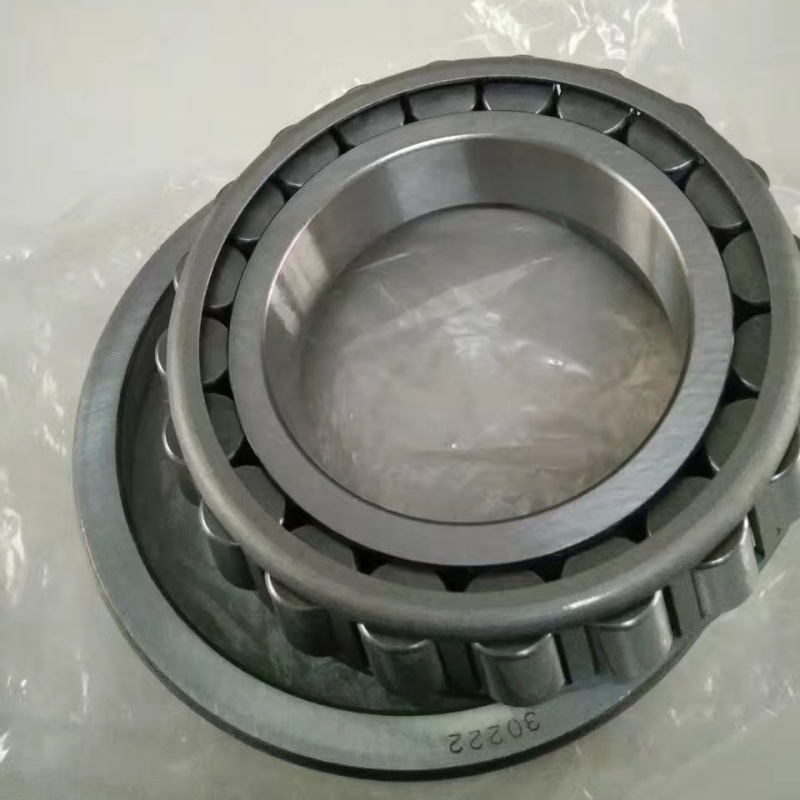
Tapered roller bearings are exceptionally good for applications with heavy combined radial and axial loads1 and shock loads2. They are the standard in heavy machinery wheel hubs, gearboxes, rolling mill rolls, crane sheaves, and mining equipment where durability under punishing conditions is non-negotiable.

The Heavy-Duty Toolbox: Where Tapered Rollers Are Indispensable
Their conical design is a mechanical advantage. Let’s break down exactly why they are the default choice in these punishing environments.
1. Managing Combined Loads in a Single Unit
Heavy machinery rarely sees pure radial load. An excavator’s swing gearbox gets radial load from the gear mesh and axial thrust from the digging force. A conveyor head pulley bearing gets radial load from belt tension and axial load from misalignment. A tapered roller bearing handles both simultaneously, simplifying design and saving space.
2. Built for Shock and Impact
The case-hardened steel used in quality tapered rollers provides a hard surface for wear resistance with a tough, ductile core to absorb impact without cracking. When a loader bucket hits a rock, the shock travels to the bearings. A brittle bearing would fail; a tapered roller bearing is designed to take it.
3. Adjustability for Wear and Precision
Over time, all bearings wear. The adjustable design of tapered roller bearings3 (via shims or a threaded nut) allows mechanics to take up wear and restore proper preload. This extends service life and maintains system stiffness, which is critical for gear alignment.
4. A Favorable Failure Mode (When Properly Maintained)
In severe service, bearings will eventually fail. A well-made tapered roller bearing typically fails gradually through spalling (surface fatigue). This gives advance warning through increased noise and vibration, allowing for planned replacement. Catastrophic, sudden seizure is less common if the bearing is properly lubricated and loaded.
For anyone involved in heavy equipment, from OEMs to repair shops, this specificity is crucial. The table below connects common heavy machinery pain points to the tapered roller bearing solution:
| Heavy Machinery Component | Primary Loads & Challenges | Why Tapered Roller Bearings Are the Right Tool |
|---|---|---|
| Excavator/Crawler Track Roller | Immense radial shock loads2, contamination (mud, rocks), misalignment. | High radial capacity, robust construction4, can be paired with effective sealing solutions. |
| Gearbox (Transmission, Differential) | Combined gear loads (radial & axial), high torque, need for precise shaft positioning. | Handles combined loads, adjustable preload ensures gear mesh alignment and system stiffness. |
| Crane Hook Sheave Block | Very high radial load from cable, potential for shock loading. | Extremely high radial load capacity in a relatively compact design. |
| Vibrating Screen Shaft | High radial load, continuous vibration, exposure to abrasive dust. | Robust design resists fatigue from vibration; materials resist abrasive wear. |
At FYTZ, we don’t just sell a catalog number. We understand these applications. When a distributor from Pakistan needs bearings for rock crushers, we know to emphasize our bearings’ shock load resistance and suggest specific seal options. This application-specific knowledge is what transforms a transaction into a trusted partnership.
What is the strongest roller bearing?
"Strongest" is a tricky word. Do you mean highest radial load capacity1? Highest axial (thrust) load capacity? Highest shock load resistance2? The title of "strongest" changes depending on the type of strength you need. For heavy machinery, we often need all types of strength.
In terms of pure radial load capacity1, spherical roller bearings3 are generally the strongest standard roller bearing. For pure axial (thrust) load capacity, cylindrical roller thrust bearings4 are the strongest. For the strongest combined radial and axial load capacity5, tapered roller bearings6 are unmatched among standard roller bearing types.

A Competition of Strengths: Picking the Right Champion
Think of it as an Olympic decathlon. Different bearings win different events. For the all-around heavy machinery champion, you need a bearing that scores high in multiple events.
1. The Radial Load Champion: Spherical Roller Bearings
- Why they win: They have two rows of large, barrel-shaped rollers. This gives them the largest load-carrying contact area for a given bore size. They are the go-to for extremely heavy, slow-to-moderate speed radial loads, like in paper mill dryers or large fans.
- Their weakness in "Strength": Their axial load capacity5 is moderate and they are not as stiff as tapered rollers.
2. The Pure Thrust Load Champion: Cylindrical Roller Thrust Bearings
- Why they win: The entire bearing is dedicated to carrying axial load. The flat, large-diameter rollers provide immense line contact area directly against the thrust faces.
- Their weakness in "Strength": They cannot handle any radial load. They are a specialist, not an all-rounder.
3. The Combined Load & Stiffness Champion: Tapered Roller Bearings
This is where they claim the title for heavy machinery applications.
- Radial Strength: Very high, though typically slightly less than an equivalent-sized spherical roller bearing.
- Axial Strength: Excellent and inherent. A single bearing can handle large one-directional thrust.
- Shock Load Strength: The tapered design and tough steel make them exceptionally resistant to impact.
- Stiffness Strength: Their adjustable preload allows for an extremely rigid shaft setup, which is a form of "strength" against deflection.
The Heavy Machinery Verdict on "Strongest"
In a gearbox, the pinion shaft needs high radial strength (from gear torque) AND high axial strength (from gear separating force) AND high stiffness (to keep gears aligned). A spherical roller bearing can’t handle the thrust well enough. A cylindrical roller thrust bearing can’t handle the radial load. A tapered roller bearing (or a pair) provides the optimal combination of all three strengths. Therefore, for the multifaceted demands of heavy machinery, tapered roller bearings6 are often the practically strongest choice.
For a procurement decision, this is critical. When Rajesh’s customer in the Indonesian palm oil industry needs a bearing for a heavily loaded press screw, they might ask for the "strongest." Rajesh’s team, with FYTZ’s support, can explain: "You need high axial thrust strength with some radial support. A cylindrical roller thrust bearing might be strongest in pure thrust, but a tapered roller bearing will handle the combined loads in your machine more reliably and compactly." This consultative approach ensures the right "strength" is selected, preventing application mismatch and failure.
Conclusion
For heavy machinery, trust in a tapered roller bearing is earned through robust design, material integrity, and application-specific engineering. Choosing a reliable manufacturer who understands the brutal realities of mining, construction, and industrial work is the first step toward maximizing uptime and minimizing cost.
-
Understanding radial load capacity is crucial for selecting the right bearing for your machinery’s needs. ↩ ↩ ↩ ↩ ↩ ↩
-
Explore how different roller bearings resist shock loads, ensuring durability in demanding environments. ↩ ↩ ↩ ↩ ↩ ↩
-
Explore the benefits of spherical roller bearings, known for their high radial load capacity, ideal for heavy machinery. ↩ ↩ ↩ ↩ ↩ ↩ ↩
-
Learn about cylindrical roller thrust bearings, the champions of axial load capacity, perfect for specialized applications. ↩ ↩ ↩ ↩
-
Gain insights into axial load capacity, essential for applications requiring high thrust strength. ↩ ↩ ↩
-
Discover why tapered roller bearings are favored for their combined load capacity and stiffness in heavy machinery. ↩ ↩ ↩
