
You chose the right spherical roller bearing for its load capacity. You installed it with perfect alignment. But now it’s failing early. The problem is likely not the bearing itself, but the lifeblood you put inside it: the lubricant.
Proper lubrication for spherical roller bearings involves choosing grease or oil based on speed and temperature, filling 30-50% of free space for grease, and establishing relubrication intervals using formulas that account for bearing size, speed, and operating conditions. This prevents over 50% of bearing failures.
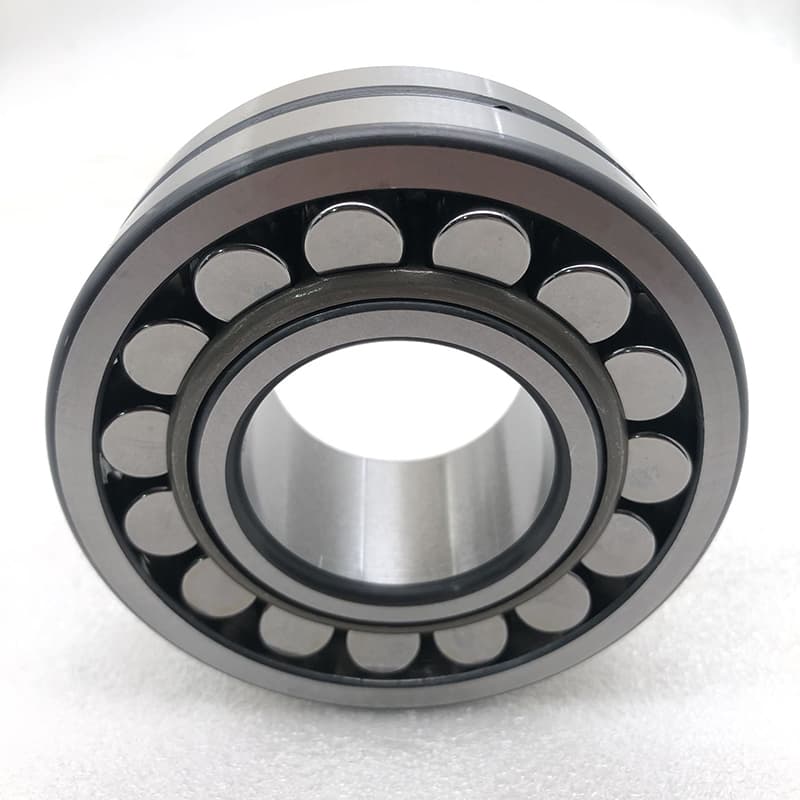
Choosing and applying lubricant is a science, not a guess. Getting it wrong leads to overheating, wear, and sudden stops. Getting it right unlocks the full, long life you paid for. Let’s dive into the practical details that keep your bearings running smoothly for years.
How much grease do you put in a spherical roller bearing1?
The biggest mistake I see is thinking "more grease is better." An overfilled bearing churns the grease, creating heat and destroying the lubricant. An underfilled bearing starves, leading to metal contact. Both cause early failure.
For a spherical roller bearing1, fill 30% to 50% of the free space inside the housing, not the bearing itself. The exact amount depends on speed: slower bearings (n < 1500 rpm) can take 50%, high-speed bearings2 need closer to 30% to avoid churning and overheating.
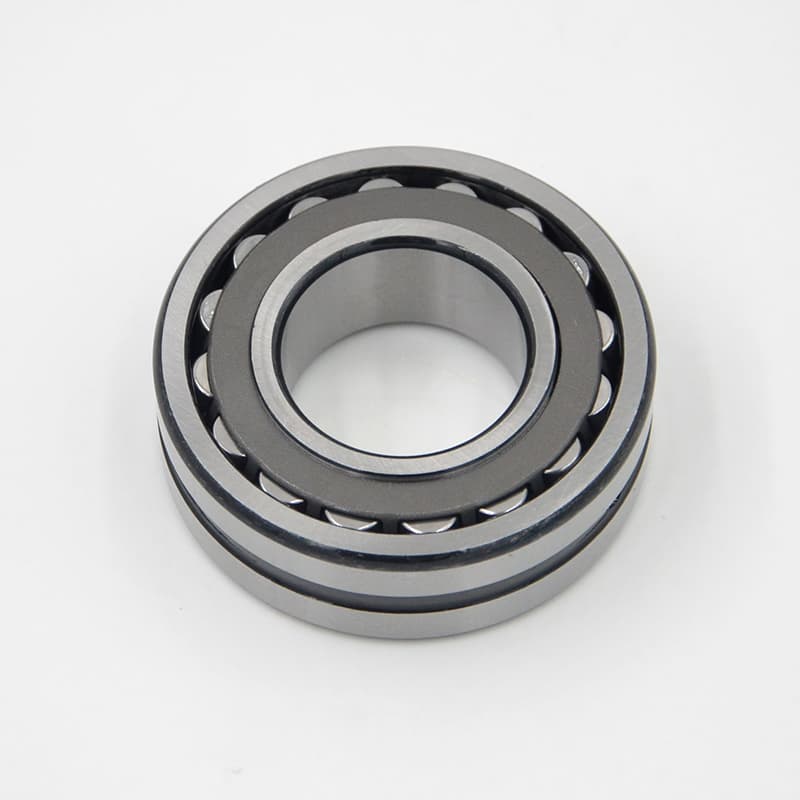
The Philosophy of "Just Enough" Grease
A bearing doesn’t need to be packed solid. Grease has two main jobs. First, it provides a thin lubricating film on the rolling contacts. Second, it acts as a reservoir and a sealant in the housing voids. Overfilling defeats both purposes.
Why Overfilling is Dangerous
When you overfill a bearing housing, the rolling elements must push through a mass of grease every rotation.
- This churning requires significant energy, which converts directly into heat.
- The excessive heat accelerates the oxidation of the grease, breaking it down quickly.
- The softened or broken-down grease may leak out past the seals.
- In severe cases, the heat from churning can cause thermal runaway, leading to bearing seizure.
Why Underfilling is Risky
With too little grease, the reservoir is insufficient.
- The lubricant film on the contact surfaces cannot be replenished.
- Contaminants are not sealed out as effectively.
- This leads to metal-to-metal contact, wear, and again, overheating.
How to Determine the "Free Space" and Fill Correctly
- Calculate Housing Free Volume: Estimate the empty space inside the bearing housing around the bearing. This is the volume you are filling.
- Apply the Fill Percentage: For most industrial spherical roller bearing1s (common in conveyors, fans, gearboxes), a good rule is 1/3 to 1/2 of the free space.
- Use the Speed Factor: Adjust the percentage based on speed (n = rpm).
- n < 1500 rpm: Use 40-50% fill. Common for heavy, slow-moving machinery.
- n > 1500 rpm: Use 30-40% fill. Common for motors and pumps.
- Practical Method for Relubrication: For a bearing with a grease fitting3 (nipple), a common field practice is to add fresh grease until clean grease purges from the relief port or seal. This pushes out old, degraded grease and contaminants. Stop immediately when clean grease appears.
For distributors and maintenance teams, this is critical knowledge. The table below provides a simplified, at-a-glance guide:
| Bearing Operating Condition | Recommended Grease Fill (% of housing free space) | Rationale |
|---|---|---|
| Low Speed, High Load, Dirty Environment (e.g., conveyor idler) | 40% – 50% | Needs a larger reservoir to seal out dirt and sustain long intervals. |
| Medium Speed & Load (e.g., industrial fan, gearbox) | 35% – 45% | The standard balance for most applications. |
| High Speed (e.g., motor bearing, >1500 rpm) | 30% – 40% | Minimizes churning heat generation. |
| Very High Temperature | Use High-Temp Grease & 30-40% fill. | High-temp grease is softer; overfilling4 worsens leakage. |
When FYTZ supplies spherical roller bearing1s, we often provide this guidance. It helps our partners like Rajesh’s company give better advice to their customers in Egypt or Vietnam. A simple tip like "stop greasing when clean grease comes out" can prevent more failures than any bearing design improvement.
How to calculate grease relubrication interval1?
Relubrication is not about a fixed calendar schedule. It’s about replenishing the grease before it oxidizes, gets contaminated, or bleeds dry. Calculating the interval gives you a scientific starting point, which you then adjust based on reality.
Calculate the grease relubrication interval1 (hours) using a standard formula that considers bearing type, shaft speed (rpm), and bore diameter (mm). The basic formula is: Interval (hours) = K (14,000,000 / (n √d)) – 4d. K is a factor for bearing type (e.g., 1 for spherical rollers). This gives a baseline for normal conditions.
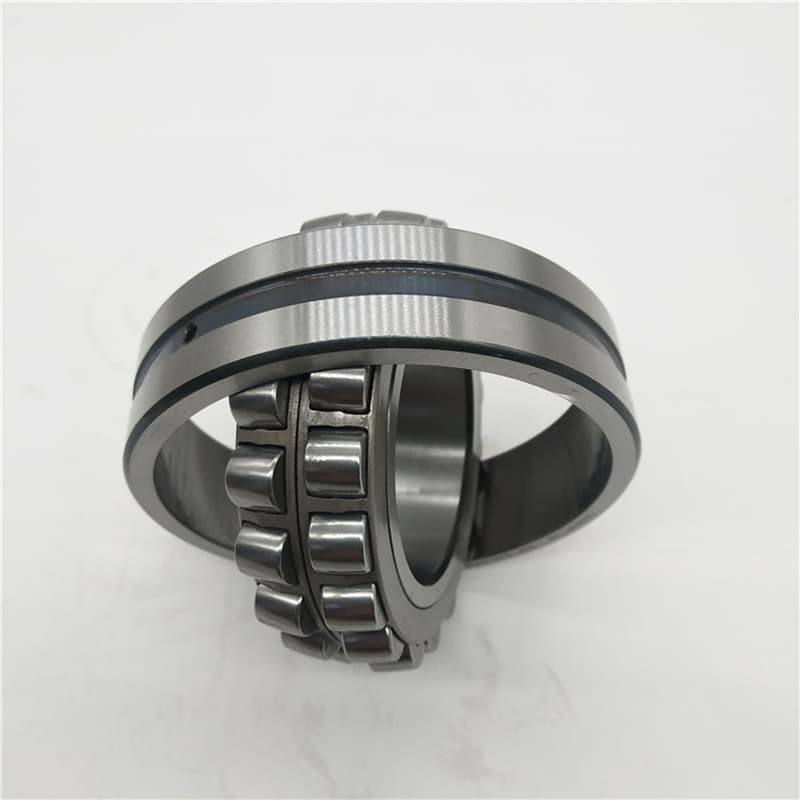
From Formula to Field Practice: Making the Math Work for You
The formula provides a theoretical baseline under "standard" conditions (clean, moderate temperature, vertical shaft). Real-world conditions are never standard. So we use the calculation as a guide, not a gospel.
Understanding the Formula’s Components
Let’s break down the common formula: t = K (14,000,000 / (n √d)) – 4d
- t: Relubrication interval in hours of operation.
- K: Bearing type factor. For spherical roller bearings2, K = 1. For some other types, it’s different.
- n: Rotational speed in revolutions per minute (rpm).
- d: Bearing bore diameter in millimeters (mm).
Example Calculation:
Take a 22216 spherical roller bearing (bore d=80mm) running at 1000 rpm.
- √d = √80 ≈ 8.94
- n √d = 1000 8.94 = 8,940
- 14,000,000 / 8,940 ≈ 1,566
- 4d = 4*80 = 320
- t = 1 * (1,566 – 320) = 1,246 hours.
This means under standard conditions, you might consider relubrication every ~1,246 operating hours.
The Critical Adjustment Factors
This calculated number is just the start. You must multiply it by adjustment factors3 (f) based on your actual environment. These factors are usually less than 1, shortening the interval.
- Temperature Factor (f1): 0.5 for 70-80°C, 0.2 for 80-90°C, 0.1 above 90°C.
- Contamination Factor (f2): 0.1 to 0.3 for dusty, wet, or abrasive environments.
- Vibration Factor (f3): 0.5 to 0.7 for applications with heavy vibration.
Adjusted Interval = t (from formula) x f1 x f2 x f3
If our example bearing runs in a hot (80°C), dusty fan: Adjusted Interval = 1,246 hrs x 0.5 (temp) x 0.2 (dirt) = ~125 hours. This is a huge difference!
For a B2B supplier, this knowledge is a powerful service tool. When Rajesh’s customer in a Brazilian cement plant asks, "How often should we grease this bearing?" Rajesh’s team can explain the logic. They can ask about the environment and speed. This builds immense credibility. It shows they are selling a lubrication solution, not just a physical product. It also prevents failures caused by under-greasing in harsh conditions, protecting the reputation of the FYTZ bearing.
How often should bearings be greased?
There is no universal answer like "every 6 months." I wish it were that simple. The correct frequency is dynamic. It depends on your specific machine, its job, and where it works. A bearing in a clean air-conditioned room and one in a dusty, hot mine have completely different needs.
Bearings should be greased on an interval calculated from their operating speed, size, and environment, then adjusted based on condition monitoring1. For spherical rollers, intervals can range from less than 100 hours in harsh conditions to over 8,000 hours in ideal, clean, low-speed applications. Monitoring temperature and vibration is key.
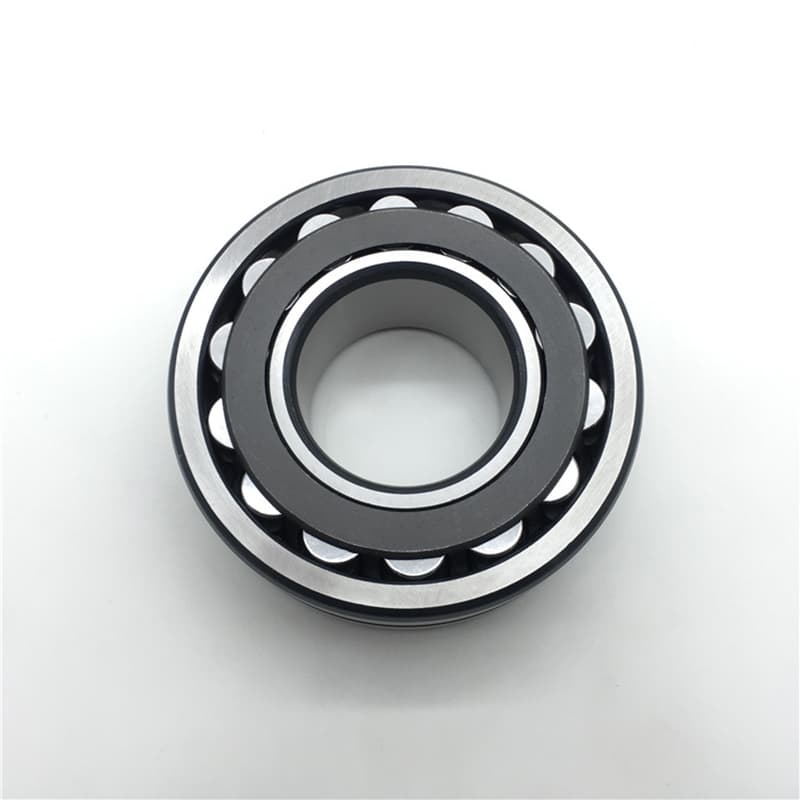
Building a Smart Greasing Schedule: Beyond the Calendar
A fixed time-based schedule is easy but inefficient. It leads to over-greasing in some places and under-greasing in others. A smart schedule is condition-aware and risk-based.
1. Start with the Calculation (Proactive Planning)
Use the formula from the previous section to establish a baseline interval for each critical bearing in your plant. This is your planned maintenance (PM) schedule. It is better than guessing.
2. Apply Condition-Based Triggers (Reactive Adjustment)
Your senses and instruments should override the calendar.
- Temperature Trend: Use an infrared thermometer. If a bearing’s operating temperature starts to rise steadily (e.g., 10-15°C above its normal baseline), it’s a signal the grease may be degrading. Relubricate earlier.
- Vibration Trend: Increasing vibration levels2 can indicate grease breakdown or contamination. Relubrication might help, but also investigate the root cause.
- Audible Noise: New grinding or rumbling sounds often mean the lubricant film is gone.
- Visual Inspection (if possible): For bearings with sight glasses or open seals, inspect the grease. If it looks dark, crusty, or runny, it’s time for a change.
3. Implement a Plant-Wide Strategy
Categorize your assets to prioritize effort:
- Critical Bearings: On key production equipment. Use calculated intervals and frequent condition monitoring1 (vibration, temperature). Err on the side of caution.
- General Bearings: On less critical equipment. Can often follow a longer, calculated interval with periodic checks.
- Severe Service Bearings: In extremely hot, wet, or dirty locations. These need the shortest intervals and possibly automatic lubrication systems.
The table below illustrates how different factors drastically change the greasing need for the same spherical roller bearing (e.g., 22216, 1000 rpm):
| Operating Environment | Calculated Baseline Interval | Adjustment Factors | Effective Practical Interval |
|---|---|---|---|
| Clean, Cool (<70°C), Indoor | ~1,250 hours | f1=1, f2=1 | ~1,250 hrs (e.g., 5 months at 24/7) |
| Moderately Dusty, Warm (75°C) | ~1,250 hours | f1=0.7, f2=0.5 | ~440 hrs (e.g., 7 weeks at 24/7) |
| Very Dirty, Wet, Hot (85°C) (e.g., mining) | ~1,250 hours | f1=0.2, f2=0.1 | ~25 hrs (e.g., Daily attention needed) |
For our global distributors, this is essential for customer success. A customer in Indonesia’s humid climate needs different advice than one in Saudi Arabia’s dry heat. By training Rajesh’s team to ask the right questions about environment, we empower them to give accurate, life-saving greasing advice. This reduces bearing failures, increases customer satisfaction, and fosters long-term loyalty to the FYTZ brand.
What are the 4 types of lubrication?
Choosing between grease and oil is just the start. Within each category, you must pick the right type for the job. Using the wrong type is like putting diesel in a gasoline engine – it might run for a while, but it will fail spectacularly.
The four fundamental types of lubrication regimes are: 1) Boundary Lubrication1, 2) Mixed Film Lubrication2, 3) Elastohydrodynamic (EHD) Lubrication3, and 4) Hydrodynamic Lubrication4. Spherical roller bearings primarily operate in the EHD regime, where a high-pressure film separates the rollers and raceways.
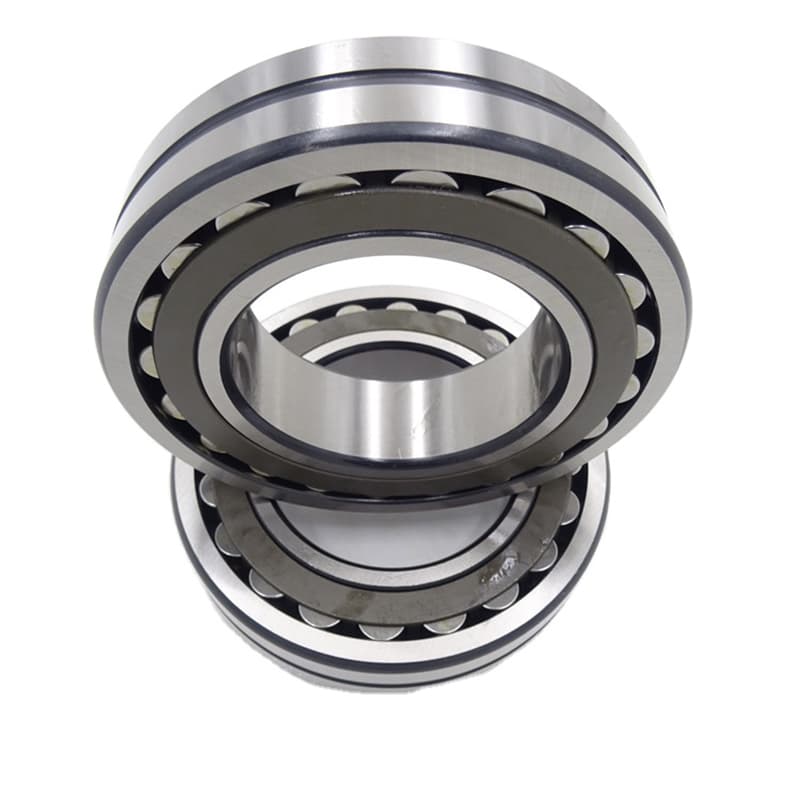
Understanding How Lubrication Actually Works Inside Your Bearing
These "types" or "regimes" describe the physical state of the lubricant film between moving surfaces. Knowing which regime your bearing is in helps you select the right lubricant properties.
- What it is: This is the most basic level. The lubricant film is extremely thin (molecular level). There is significant metal-to-metal contact. The lubricant works by having special anti-wear (AW) or extreme pressure (EP) additives that form a protective sacrificial layer on the metal surfaces.
- When it happens: During startup, shutdown, very slow speeds, or shock loads. This is a high-wear regime. Your goal is to minimize time spent here.
- What it is: A transition state. Part of the load is carried by a fluid film, and part is carried by the boundary layers where surfaces still contact.
- When it happens: At moderate speeds and loads, or when the lubricant viscosity is not quite high enough for full separation.
3. Elastohydrodynamic (EHD) Lubrication3
- What it is: This is the gold standard for rolling bearings. The high pressure in the contact zone (can be over 1 GPa) dramatically increases the lubricant’s viscosity ("solidifies" it momentarily) and elastically deforms the metal surfaces. This creates a thin but incredibly tough film that fully separates the roller and raceway.
- When it happens: Under normal operating conditions for spherical roller bearings. The lubricant’s base oil viscosity5 is the most critical property for establishing this film.
- What it is: A thick, full fluid film completely separates the surfaces, like a hydroplaning tire. Friction comes only from the fluid’s internal resistance (viscosity).
- When it happens: In journal (plain) bearings and gear meshes at high speeds. Rolling bearings generally do not operate in this regime.
Implications for Lubricant Selection for Spherical Roller Bearings:
- You need EHD performance: Choose a grease or oil with a high enough base oil viscosity5 for your operating temperature to form the EHD film.
- You need Boundary protection: Ensure the lubricant has anti-wear (AW) additives6 to protect during starts, stops, and shocks.
- You need stability: The grease thickener must be mechanically stable to not break down under the shear and pressure inside the bearing.
For a manufacturer like FYTZ, we test our bearings with lubricants that support the EHD regime. For our distributors, explaining this to a customer facing repeated failures can be enlightening. If a customer is using a light machine oil instead of a proper gear oil or bearing grease, they are likely stuck in the high-wear boundary/mixed regime. Recommending a lubricant with the correct viscosity grade and AW additives can solve the problem without changing the bearing. This technical depth makes our partners indispensable advisors to their customers.
Conclusion
Lubrication is not a minor detail; it is the decisive factor for bearing life. Mastering grease quantity, calculating smart intervals, and selecting the right lubricant type transforms maintenance from a cost into an investment in reliability and uptime.
-
Explore this link to understand the basics of Boundary Lubrication and its significance in reducing wear. ↩ ↩ ↩ ↩ ↩ ↩ ↩ ↩ ↩ ↩
-
Learn about Mixed Film Lubrication to grasp its transitional role in lubrication and its impact on machinery. ↩ ↩ ↩ ↩ ↩
-
Discover the advantages of EHD Lubrication, the gold standard for rolling bearings, and its importance in performance. ↩ ↩ ↩ ↩
-
Understand Hydrodynamic Lubrication to see how it ensures effective separation of surfaces at high speeds. ↩ ↩ ↩
-
Explore the critical role of base oil viscosity in forming effective lubricant films and ensuring machinery longevity. ↩ ↩
-
Find out how anti-wear additives protect machinery and enhance lubricant performance in various regimes. ↩
