
Bulk material handling is brutal on machinery. Constant vibration, abrasive dust, heavy shock loads from material impact, and inevitable frame misalignment conspire to destroy bearings. A bearing failure in a main elevator head pulley can halt an entire production line, leading to massive downtime costs.
Spherical roller bearings are the standard for bucket elevators and bulk handling due to their exceptional radial load capacity, self-aligning capability to tolerate frame and shaft misalignment, and robustness in dirty, high-vibration environments. They reliably support the immense weight and dynamic forces at head pulleys, tail pulleys, and drive shafts.
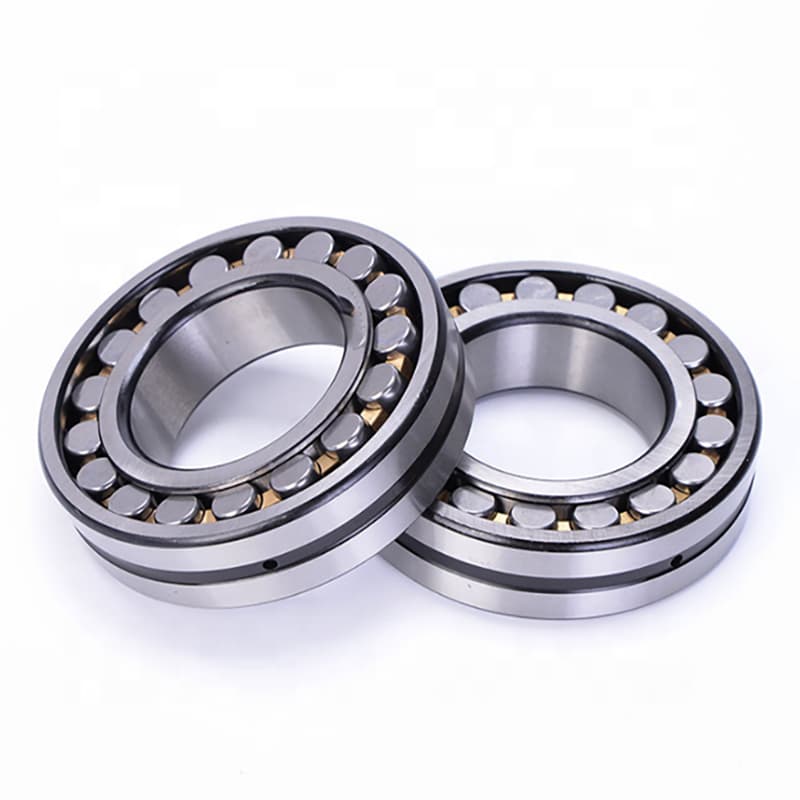
In the world of moving tons of grain, cement, or ore, equipment must be utterly reliable. The bearing choice is a critical part of that reliability equation. Understanding why spherical rollers are used, how they handle the specific loads, and even the terminology around them is essential for anyone involved in specifying, maintaining, or sourcing parts for these systems. Let’s explore the key points.
What are spherical roller bearings used for?
People often think bearings are simple, interchangeable parts. But in heavy industry, using the wrong type is a direct path to failure. Spherical roller bearings are the specialists called in when the job is too tough for standard bearings.
Spherical roller bearings are primarily used in heavy machinery applications that experience very high radial loads, moderate axial (thrust) loads, and where shaft or housing misalignment is present1. Their key feature is self-alignment2. They are found in vibrating screens, industrial fans, gearboxes, rolling mills, and extensively in bulk material handling systems3 like conveyors and bucket elevators.
The Heavy-Duty Problem Solver: Why Industries Rely on Them
To understand "what they are used for," look at the problems they solve that other bearings cannot. Their design is a direct response to the harsh realities of industrial environments.
Core Design Advantages:
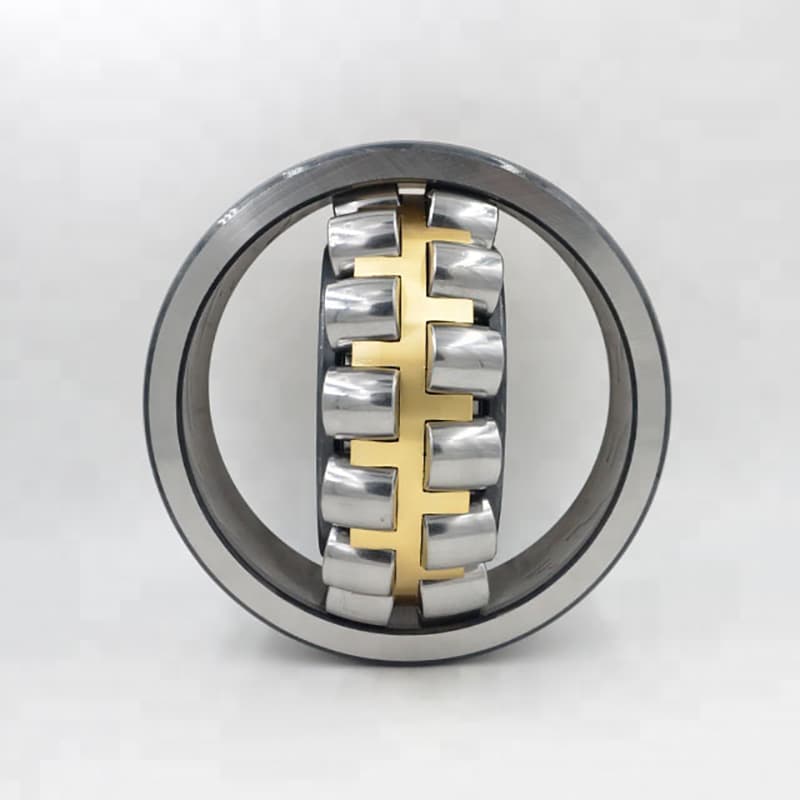
- Self-Alignment: The barrel-shaped rollers run inside a spherical outer ring raceway. This allows the inner ring assembly to pivot up to 2-3 degrees. This is not a minor feature; it is critical for survival in applications where perfect alignment is impossible to achieve or maintain.
- High Load Capacity: Two rows of rollers provide a large load-carrying surface through line contact, giving them a very high dynamic and static radial load rating.
- Robustness: They are typically built with large rollers and strong cages (often machined brass "CC"), making them resistant to shock and vibration.
Industry Applications Driven by These Strengths:
Their use cases are a list of the most demanding jobs in a plant:
- Mining & Aggregate: Crusher bearings, vibrating screen bearings. They handle shock and constant misalignment from vibration4.
- Metals Processing: Rolling mill backup rolls, dealing with extreme loads and heat.
- Pulp & Paper: Dryer drum bearings, where long, heavy rolls cause shaft deflection.
- Power Generation: Fans and turbine gearboxes.
- Bulk Material Handling (Our Focus): This is a prime application area. They are used in:
- Bucket Elevator Head/Tail Pulleys: Support the full weight of the belt, buckets, and material, plus shock loads.
- Conveyor Drums and Idlers: Handle heavy loads and tolerate frame misalignment.
- Screw Conveyor Shafts: Support radial load and some axial thrust.
In a bucket elevator, the head pulley shaft is under tremendous stress. The frames can twist, and pulley faces can become non-parallel. A rigid bearing would fail from edge loading. The spherical roller bearing’s self-alignment2 ensures the load is evenly distributed, preventing this failure mode. At FYTZ, we know our spherical roller bearings are destined for these punishing roles, which is why we focus on material quality, heat treatment, and precision in our manufacturing process.
Are bucket elevators used to move materials vertically?
This seems like a simple question, but its answer highlights the specific challenges that lead to the need for specialized bearings like spherical rollers. A vertical lift mechanism creates unique forces and alignment issues that not all equipment faces.
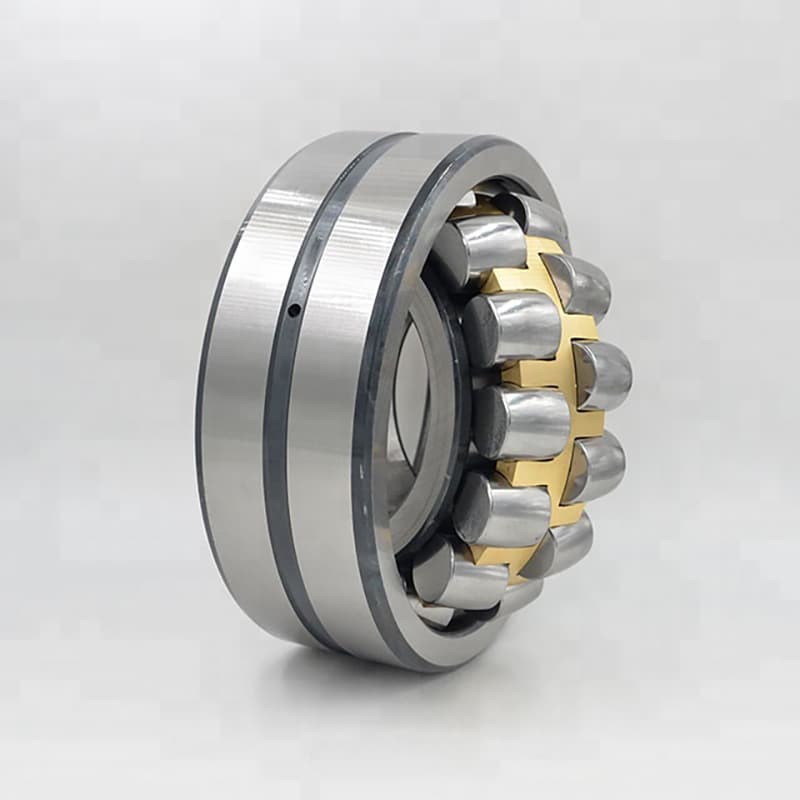
Yes, bucket elevators are specifically designed to move bulk materials vertically (or at a steep incline)1. They are a core component in industries like agriculture (grain), mining (ore, coal), cement, and food processing. Their continuous vertical movement under heavy load creates demanding conditions for the drive and support bearings at the head and tail of the elevator.
The Mechanics of Vertical Lift and the Bearing Demands
Understanding how a bucket elevator works clarifies why its bearings are so critical. It’s not just a simple lift; it’s a system under constant, heavy stress.
How a Bucket Elevator Operates:
An endless belt or chain, with attached buckets, runs over a top (head) pulley and a bottom (tail) pulley. Material is loaded into the buckets at the boot (bottom). As they ascend, they carry the material up and discharge it at the head pulley via centrifugal force or gravity. The system is often enclosed in a casing.
The Bearing Challenges in This System:
- Extreme Radial Load2: The head pulley bearings support the combined weight of the belt/chains, all the buckets, and the material load in the ascending leg. This is a massive, constant radial force.
- Shock Loads3: As buckets dig into the material pile at the boot, they experience impact. This shock is transmitted through the system to the bearings.
- Misalignment Forces:
- The heavy load on one side (the carrying side) can cause slight shaft deflection.
- Over time, the elevator casing or support structure can settle or shift, putting the head and tail shafts out of perfect parallel alignment.
- Pulley lagging (rubber coating) can wear unevenly.
- Harsh Environment: The elevator is filled with abrasive dust (grain dust, cement powder, coal dust). This contaminant seeks to enter bearings and cause wear.
Why Spherical Roller Bearings4 Are the Default Choice:
Given these challenges, the bearing must have:
- High Radial Load Capacity: To support the weight. Spherical rollers have this.
- Shock Load Resistance: Their robust construction and line contact handle impacts better than point-contact bearings.
- Self-Alignment5: To automatically compensate for the shaft deflection and structural misalignment described above. This is the key reason they are chosen over cylindrical roller bearings for this application.
- Sealing Compatibility: They can be fitted into housings with effective seals (like labyrinth seals) to keep dust out.
For our clients who manufacture bucket elevators in Brazil or Indonesia, specifying spherical roller bearings for the head and tail shafts is standard engineering practice. We at FYTZ supply these bearings, often in common sizes like the 222 or 223 series, configured with C3 clearance6 (for thermal expansion from friction) and ready for installation in sealed pillow blocks or plummer blocks. For distributors like Rajesh, knowing that bucket elevators are a key market for spherical rollers helps him target his sales efforts to cement plants, grain silos, and mining operations.
What is srb bearing?
In industrial slang and parts catalogs, you’ll often see the abbreviation "SRB." It’s a shorthand that professionals use, but for new buyers or those in different regions, it can be confusing. Knowing this term connects you to the broader industry conversation.
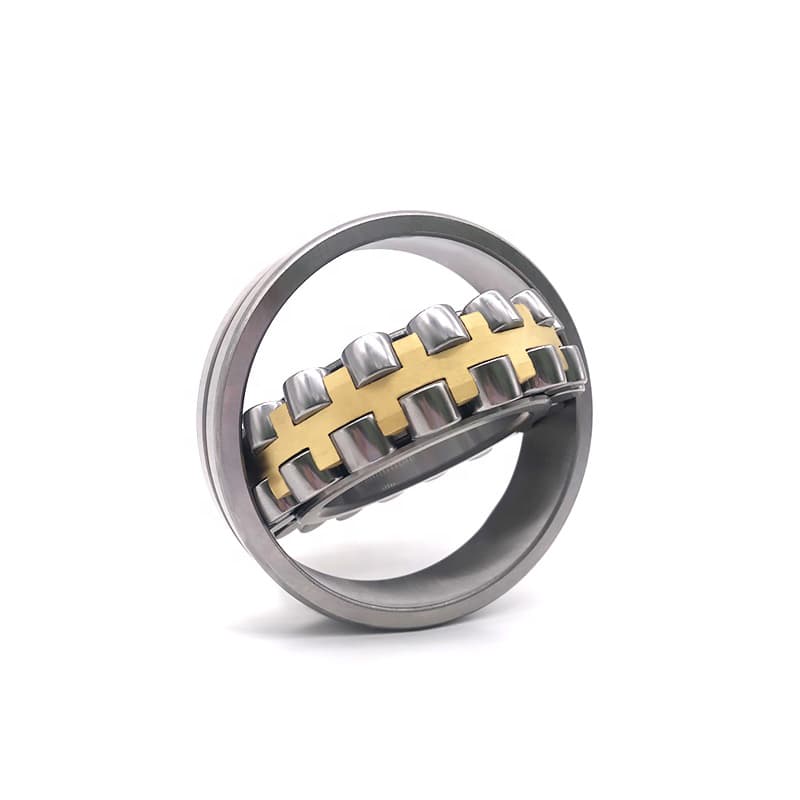
SRB is a common abbreviation for Spherical Roller Bearing1. It is widely used in technical datasheets2, procurement documents3, and casual conversation among engineers and maintenance personnel. When you see "SRB" in a parts list or a supplier’s catalog, it specifically refers to this type of bearing, distinguishing it from CRB (Cylindrical Roller Bearing) or TRB (Tapered Roller Bearing).
Navigating Industry Jargon: From SRB to Detailed Specifications
"SRB" is the starting point, not the complete description. It tells you the bearing family, but you still need the full part number and suffixes to get the exact bearing. Understanding this term helps you communicate effectively in the global market.
The Context of "SRB":
- In Part Lists: "Head Pulley Shaft – SRB 22228 CCK W33 C3."
- In Conversations: "The elevator is down; we need to replace the SRB on the head shaft."
- In Supplier Catalogs: A section may be labeled "Spherical Roller Bearing1s (SRB)."
Why the Abviation is Useful:
It provides quick, clear identification in a field with many bearing types4. For someone like Rajesh, when a maintenance manager calls and says, "I need an SRB for my conveyor," Rajesh immediately knows the general type of bearing and can start asking the right follow-up questions about size and features.
From SRB to the Full Spec:
Knowing it’s an SRB is step one. The next steps are identifying the exact model, which involves the numbering system we’ve discussed:
- Series & Bore: e.g., 22228 (222 series, 140mm bore).
- Suffixes: e.g., CCK W33 C3.
- CC: Machined brass cage (high quality, for shock/vibration).
- K: Tapered bore for adapter sleeve mounting (common for large shafts).
- W33: Lubrication groove and holes (essential for maintenance in dusty environments).
- C3: Internal clearance group (larger than normal, for thermal expansion).
Regional and Brand Variations:
While "SRB" is common, you might also see:
- Spherical Roller Bearing1 written in full.
- Brand-specific series names (though the underlying product is an SRB).
At FYTZ, we use the term "Spherical Roller Bearing1" in our formal communications and catalogs, but our sales team is familiar with "SRB" because it’s the language of the workshop and the procurement office. When we get an inquiry for "SRB 22324," we know exactly what the client needs and can provide our high-quality equivalent from our production line. This shared vocabulary makes business smoother.
What kind of loads can a spherical roller bearing support?
Oversimplifying bearing load capacity is dangerous. Thinking "it’s a big bearing, so it can handle it" leads to under-engineering. Spherical roller bearings have a specific load profile, and understanding its limits is crucial for safe and reliable application in heavy systems like bucket elevators.
Spherical roller bearings are designed to support very high radial loads and moderate axial (thrust) loads from either direction1. Their primary strength is radial load capacity2 due to line contact. They can also accommodate moment loads3 (tilting forces) better than other roller bearings because of their self-aligning design4, which prevents destructive edge loading under misalignment.
[^3] on a spherical roller bearing](https://sdycbearing.com/wp-content/uploads/2025/12/Spherical-Roller-Bearings-36-1.jpg)
A Detailed Look at Load Capabilities and Real-World Implications
The term "support" means the bearing can carry the load without premature fatigue failure (spalling) or static overload (brinelling). The loads in a bucket elevator are a complex combination, and the SRB is uniquely suited to handle them.
1. Radial Load (The Primary Strength):
- Definition: Force applied perpendicular to the shaft axis. In a bucket elevator, this is the weight of the belt, buckets, material, and the tension in the system acting on the head pulley shaft.
- SRB Capability: Excellent. They have some of the highest radial load ratings among standard bearing types, surpassed only by cylindrical roller bearings in pure radial scenarios. The dynamic radial load rating (C)5 is used for life calculation under rotation. The static radial load rating (C0)6 is critical for when the elevator is stopped under full load.
2. Axial Load (Thrust Load):
- Definition: Force applied parallel to the shaft axis. In bulk handling, this can come from slight conveyor misalignment, helical gears in the drive, or uneven material loading.
- SRB Capability: Good, but not its primary function. They can handle moderate axial loads in both directions. This is a significant advantage over cylindrical roller bearings, which generally cannot handle axial load. However, for applications with very high, defined axial thrust, tapered roller bearings7 might be better.
3. Moment Load (The Hidden Challenge):
- Definition: A tilting force that tries to cock the bearing in its housing. This is not a separate load but a result of radial load applied with misalignment. In a bucket elevator, moment load occurs when the shaft deflects or the pulley faces are not perfectly parallel.
- SRB Superpower – Handling Moment Loads: This is where the SRB truly shines. A rigid bearing sees moment load as edge loading—the load concentrates on one end of the rollers, causing extremely high stress and rapid failure. The SRB’s self-alignment allows the inner ring to tilt, maintaining even load distribution across the full length of all rollers. This ability to accommodate moment loads3 is a primary reason for their use in elevators and conveyors.
Load Considerations for Bucket Elevator Design:
| Load Type on Head Pulley Bearing | Source in Bucket Elevator | How SRB Handles It |
|---|---|---|
| High Static/Radial Load | Weight of loaded belt & components. | High static (C0) and dynamic (C) radial load rating. |
| Dynamic Radial Load | Rotation under load, minor variations. | Handled by dynamic load rating for life calculation (L10). |
| Shock Load | Bucket digging into material pile. | Robust roller and cage design absorbs impact. |
| Moment Load | Shaft deflection, frame settling, pulley misalignment. | Self-alignment prevents edge loading, distributing the moment. |
For an engineer selecting a bearing for a new elevator design, they perform calculations using the radial load (C) to ensure adequate fatigue life. They also must check the static load rating (C0) to ensure the bearing won’t be damaged when holding a full load stationary—a common scenario. At FYTZ, we provide these load ratings in our catalogs. When a client in the cement industry asks for a bearing for a 100-ton/hour elevator, we can recommend the appropriate SRB size (like a 22330 or 22332) based on these calculations, ensuring their system is both safe and durable.
Conclusion
Spherical roller bearings are indispensable in bucket elevators, expertly handling the extreme radial loads, shock, and inherent misalignment of vertical material handling, with their self-aligning design being the critical feature that ensures reliable, long-term operation in harsh, demanding conditions.
-
Understanding these load characteristics is crucial for selecting the right bearing for your application. ↩ ↩ ↩ ↩ ↩ ↩ ↩
-
Learn about radial load capacity to ensure your bearings can handle the required loads effectively. ↩ ↩ ↩ ↩ ↩
-
Explore how moment loads impact bearing design and performance, especially in dynamic applications. ↩ ↩ ↩ ↩ ↩
-
Explore the advantages of self-aligning designs in preventing edge loading and enhancing bearing life. ↩ ↩ ↩ ↩
-
Understanding dynamic load ratings helps in predicting bearing life under operational conditions. ↩ ↩
-
Discover why the static radial load rating is essential for preventing bearing damage under static conditions. ↩ ↩
-
Learn when to choose tapered roller bearings for applications with high axial loads for better performance. ↩
