
A single letter or number in a bearing code can mean the difference between a bearing that fits and works and one that causes a costly machine shutdown. For industrial buyers and importers, misreading these codes leads to wrong orders, delayed projects, and frustrated customers.
To read spherical roller bearing codes, start with the series (e.g., 222, 223) for size, then the bore code (e.g., 30 for 150mm). Suffixes after the code define critical features: CC for brass cage, K for tapered bore, W33 for lubrication groove, and C3 for internal clearance. Understanding this ensures accurate sourcing and interchangeability.
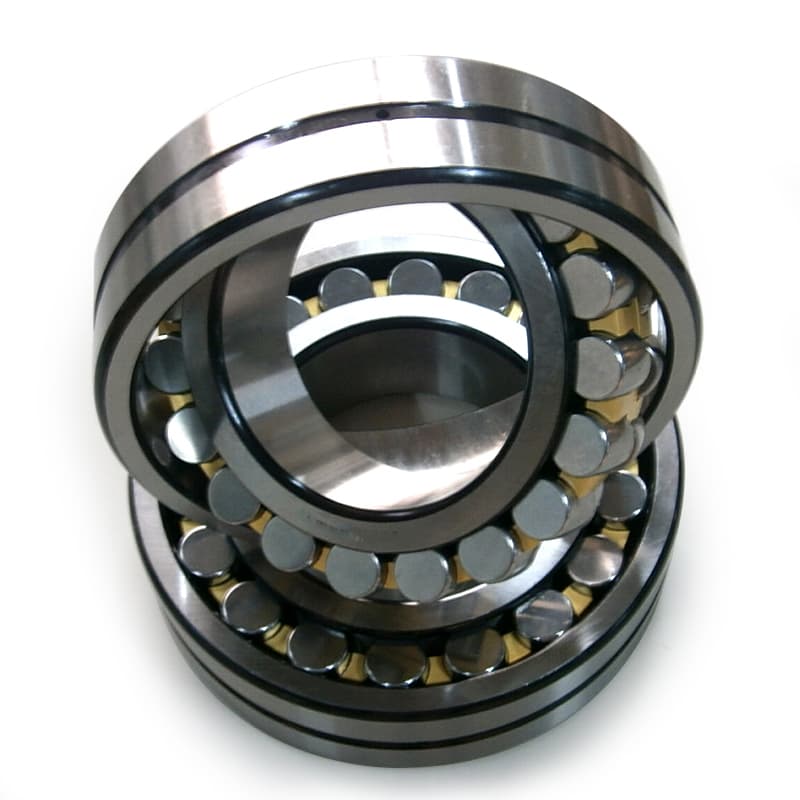
The bearing number is not a random serial number; it’s a detailed specification sheet in compact form. Mastering this language is a fundamental skill for anyone involved in industrial procurement, from machinery builders to global distributors. Let’s decode this system step by step, from the basic number to the complex suffixes and even the customs codes needed for international trade.
What is the suffix for spherical roller bearings1?
Suffixes are where the true capabilities of a bearing are defined. Two bearings with the same basic number but different suffixes can be completely different parts. Ordering a bearing without the correct suffix often means receiving a part lacking a critical feature, like a lubrication hole or a specific cage, rendering it unusable.
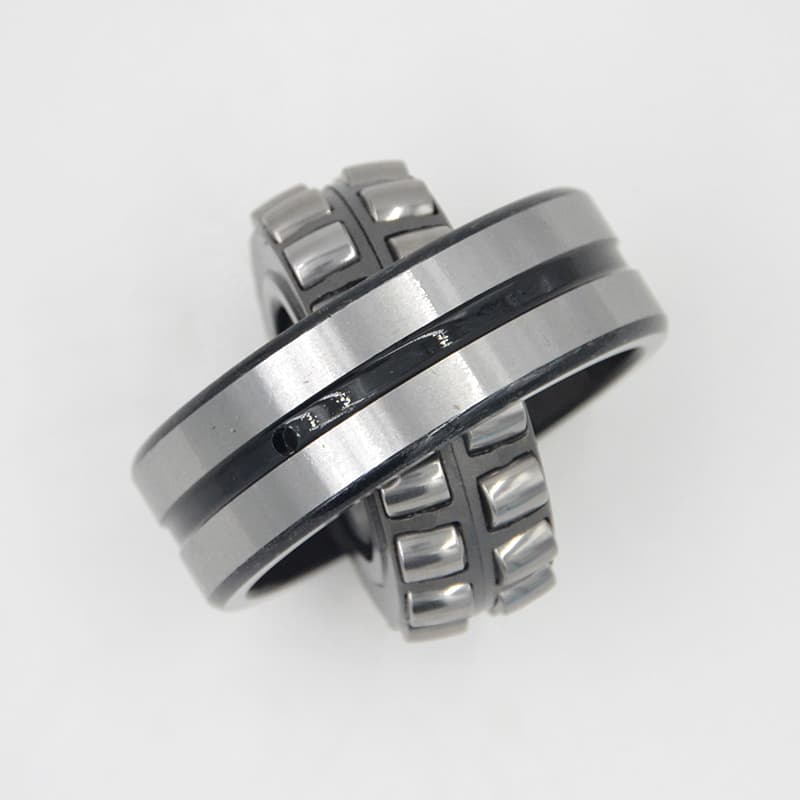
Suffixes for spherical roller bearings1 are letters and numbers added after the basic designation to specify internal design, cage type, internal clearance2, lubrication features, and special tolerances. Common suffixes include C3/C4 (internal clearance2), CC (machined brass cage3), K (tapered bore4 1:12), W33 (lubrication groove5 and holes), and E (reinforced design6). These are essential for correct application.
The Alphabet of Performance: Decoding Common Suffixes
Suffixes are standardized across much of the industry, though some manufacturers have proprietary ones. They tell you about the bearing’s construction, how it should be mounted, and how it will be maintained. Missing a suffix is like ordering a car without specifying the transmission.
Let’s categorize the most important suffixes for industrial buyers:
1. Internal Clearance Suffixes (C2, C3, C4, C5):
This is arguably the most critical suffix for application suitability. It indicates how much internal space exists between the rollers and raceways.
- C3: Larger than normal clearance. Very common. Used to accommodate thermal expansion (e.g., in hot environments like kilns) or to prevent preload from heavy loads and fits.
- C4: Larger clearance than C3. For severe temperature gradients or very tight fits.
- Normal/CN (often no suffix): Standard clearance for general applications.
2. Cage (Retainer) Design Suffixes:
The cage holds the rollers in place. Its material and design affect speed, temperature, and vibration resistance.
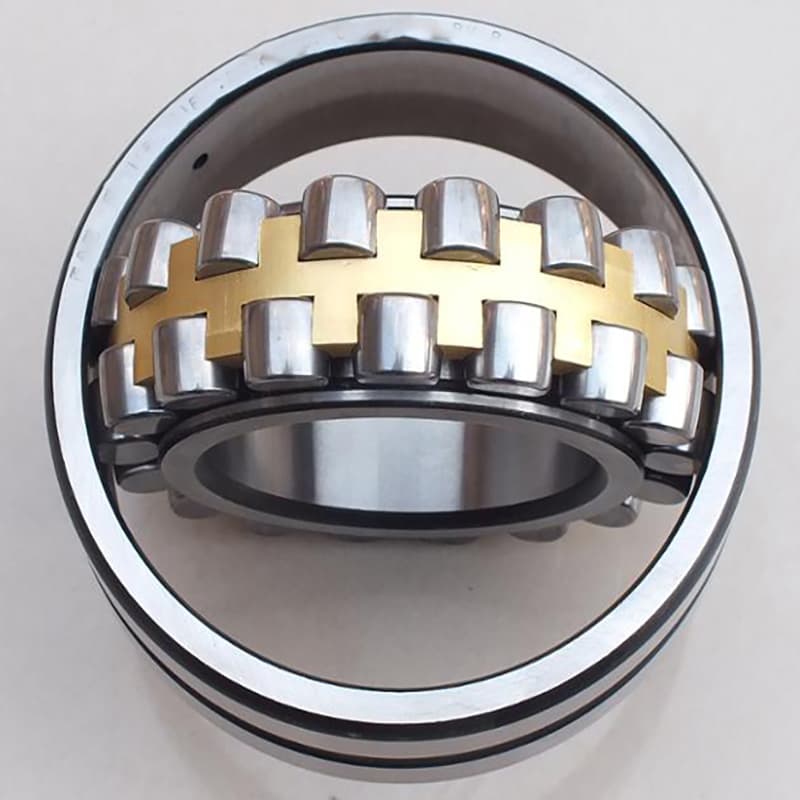
- CC: Two-piece, machined brass cage3. This is a high-performance cage. It is strong, handles high temperatures and vibration well, and is common in heavy-duty applications. When you see "CC", you know it’s a robust bearing.
- CA (or sometimes just C): One-piece, machined brass cage3.
- MB, M: Pressed steel cage. Standard, cost-effective.
3. Mounting and Lubrication Suffixes:
These specify features for installation and maintenance.
- K: Tapered bore with a taper of 1:12. This bearing is designed to be mounted on a tapered shaft adapter sleeve (withdrawable sleeve). The "K" allows for precise radial clearance adjustment during mounting. Common in many industrial applications.
- K30: Tapered bore 1:30.
- W33: Lubrication groove and three holes in the outer ring. This is a very common and important suffix. It allows grease to be injected through the housing directly into the bearing’s rolling elements, ensuring even distribution and enabling purge re-lubrication. Always specify W33 for applications requiring re-lubrication.
- W64: A solidified lubricant plug (for maintenance-free applications).
4. Design/Internal Modification Suffixes:
- E: Enhanced (or "reinforced") internal design. Often indicates a bearing with more or larger rollers, giving it a higher load rating.
- VA…/VE…: For vibration characteristics7 (e.g., VA405 for low vibration).
Putting it together: An example for a buyer:
A bearing code8 22228 CCK W33 C3 breaks down as:
- 22228: Basic size (222 series, 140mm bore).
- CC: Machined brass cage (high quality).
- K: Tapered bore for adapter sleeve mounting.
- W33: Lubrication groove and holes.
- C3: Internal clearance group.
For an importer like Rajesh, knowing that W33 is needed for most industrial machinery ensures he stocks the correct, maintainable bearing. At FYTZ, we use these standard suffixes, so our bearings (e.g., FYTZ 22228 CCK W33 C3) are fully interchangeable with other brands using the same code, giving our partners confidence in sourcing.
How to read roller bearing numbers?
Seeing a number like "22228" or "NJ 2308" can be intimidating. But it’s a logical system. Reading it incorrectly means you might order a bearing with a 28mm bore instead of a 140mm bore, a mistake that is both obvious and costly once the part arrives.
To read roller bearing numbers, identify the bearing type prefix1 (if any), the dimension series2 (two digits), and the bore code. For bore sizes 04 and above, multiply the bore code by 5 to get the bore in mm (e.g., 05 = 25mm, 28 = 140mm). Suffixes follow to specify design details. This system is standardized for metric radial roller bearings.
A Structured Approach to Decoding the Basic Designation
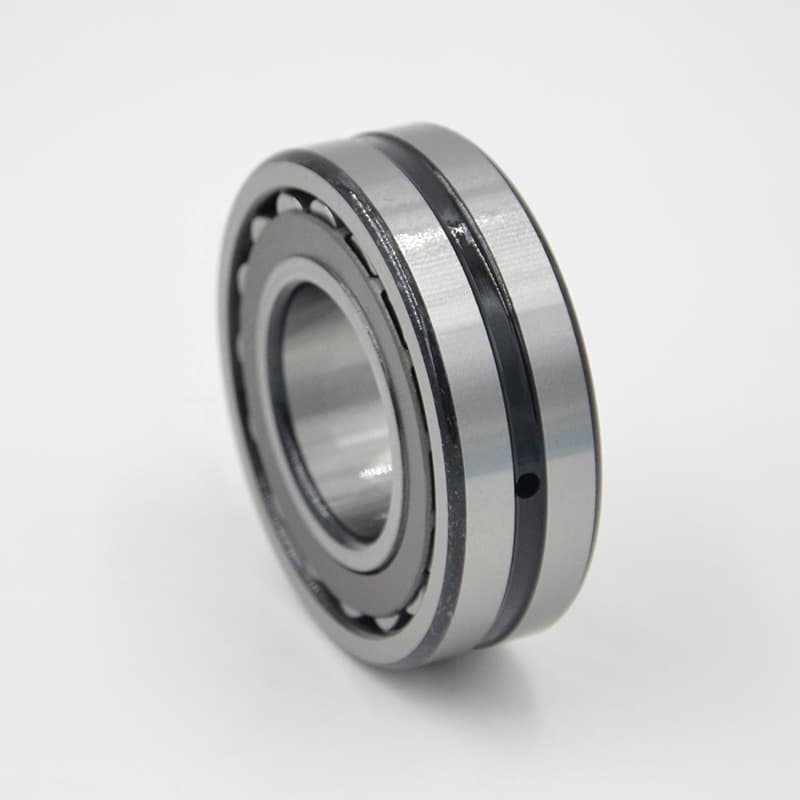
The basic number (before any suffixes) gives you the bearing’s type, size series, and bore diameter3. This is the core identification. Let’s break down the structure for spherical roller bearings4 and other common roller bearings.
The typical pattern is: [Prefix] [Series Code] [Bore Code]
Step 1: Identify the Type (Prefix or Implied)
- For spherical roller bearings4, there is often no prefix. The series code itself (starting with 22, 23, 23, 30, 31, 32) identifies it as a spherical roller bearing.
- For other rollers, prefixes are common:
- NJ, NU, N: Cylindrical roller bearings5 (different flanging).
- 30200, 30300, 32200: Tapered roller bearings (the "3" indicates tapered).
Step 2: Decode the Dimension Series (The two or three digits)
The series code tells you the bearing’s proportions—its width and outer diameter relative to its bore. For spherical roller bearings4:
- The first digit (or two) indicates the width series (e.g., 2=medium, 3=wide).
- The second digit (or third in a three-digit code) indicates the diameter series (e.g., 2=light, 3=medium).
- Common Series:
- 222 Series: Medium width, light diameter. A common, versatile series.
- 223 Series: Medium width, medium diameter. Robust.
- 230 Series: Extra wide, extra light diameter. For high rigidity.
- 231, 232 Series: Wide, with large outside diameters for very high loads.
Step 3: Calculate the Bore Diameter
This is the most important step for fit.
- For bore codes 04 to 96: Bore (mm) = Bore Code × 5
- Example: Bore code 28 → Bore = 28 × 5 = 140mm.
- For bore codes less than 04, they have specific meanings:
- 00 = 10mm bore
- 01 = 12mm bore
- 02 = 15mm bore
- 03 = 17mm bore
Example Breakdowns:
- NJ 2308 ECP:
- NJ: Cylindrical roller bearing with two flanges on the inner ring.
- 23: Series (2=light width, 3=medium diameter).
- 08: Bore = 8 × 5 = 40mm.
- ECP: Suffixes (Polyamide cage, C3 clearance, etc.).
- 22324 CCJA/W33:
- (No prefix): Spherical roller bearing.
- 223: Series (22=spherical, medium width & diameter).
- 24: Bore = 24 × 5 = 120mm.
- CCJA/W33: Suffixes (Brass cage, modified internal design, W33 lubrication).
For a machinery manufacturer in Brazil, this skill allows them to verify that the bearing they are designing into a machine (say, a 22324) has the correct bore (120mm) for their shaft. At FYTZ, we train our sales team to confirm these details with clients. When Rajesh sends an inquiry for "bearing 22230", we confirm he needs the 150mm bore version, not a misunderstanding for a 30mm bore. This prevents errors in the global supply chain.
How to read bearing notation?
Bearing notation is the full language, encompassing not just the basic number and suffixes, but also precision class designations, manufacturer prefixes, and other markings on the bearing itself. Ignoring the full notation can lead to missing a critical precision requirement or a special material call-out.
Bearing notation is read as a sequence: [Manufacturer Prefix/Series1] [Basic Bearing Number2] [Suffixes]. The basic number gives type and size. Suffixes specify internal design, clearance, seals, etc. Additional markings on the bearing itself may indicate precision class (P5, P6), manufacturer logo, and production lot code for traceability.
The Complete Picture: From Part Number to Physical Markings
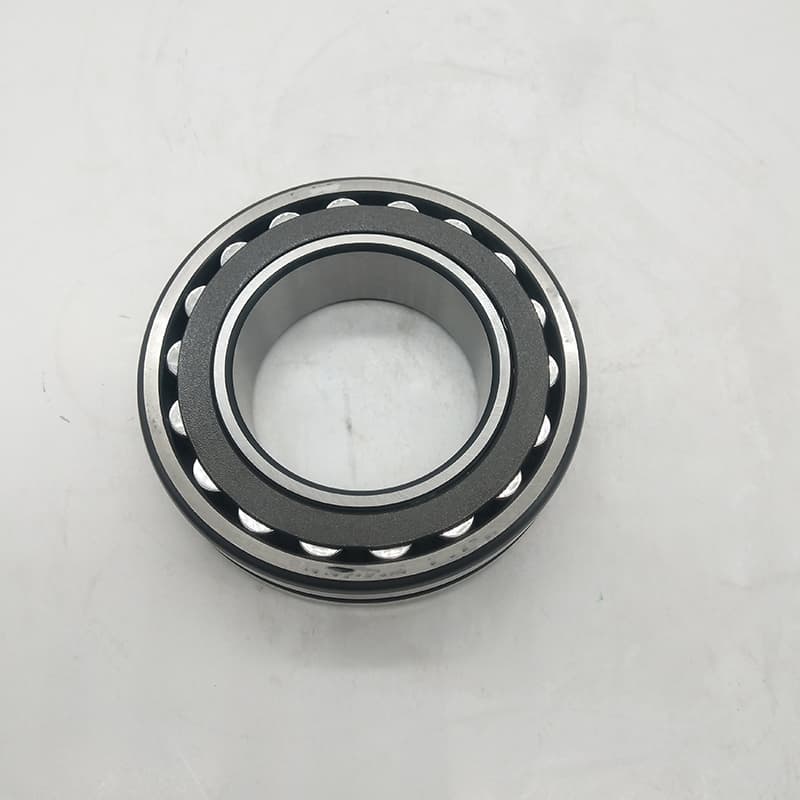
Reading bearing notation is about gathering all available information from the catalog and from the physical bearing. This is essential for exact replacement sourcing and for understanding the quality level of the component.
1. The Catalog/Ordering Notation:
This is the full string you see in a price list or on an order. It follows the pattern we’ve discussed. A complex example: FYTZ 22324 CCJA/W33 C3 P5
- FYTZ: Manufacturer/Brand prefix (this is our brand).
- 22324: Basic bearing number (Spherical roller, 120mm bore).
- CCJA/W33: Design suffixes3 (Brass cage, modified design, lubrication groove).
- C3: Internal clearance suffix.
- P5: Precision class suffix. This is crucial. It indicates the bearing is manufactured to ISO Class 5 (P5) tolerances, which are tighter than standard (P0). P5 bearings have less runout and vibration, important for gearboxes and precision machinery.
2. Markings on the Bearing Itself:
Once you have the physical bearing, you can find more data stamped or lasered on it:
- Brand & Basic Number: Usually stamped on one face of the outer ring (e.g., SKF 22218).
- Suffixes (sometimes): Common suffixes like K, W33 may be stamped.
- Precision Class: May be marked as P5, P6, SP, UP (the latter are super-precision grades).
- Manufacturing Data4: A lot code or date code for traceability. This is important for quality control.
3. Special Notations and Their Meanings:
- /A, /B: Used by some manufacturers to denote a specific variant or a pairing for universal matched bearings (for preload).
- Tolerance Class vs. "V" Markings: A "P5" marking refers to dimensional and running accuracy. A separate "VA405" marking might refer to a specific low-vibration grade.
- Material Marks5: Some bearings have marks for material, like a special symbol for stainless steel.
Why this matters for an industrial buyer:
Imagine you are replacing a failed bearing in a critical gearbox. The old bearing is stamped 22218 P5. You could order a standard 22218, but it would be a P0 (normal) precision bearing. Installing it might cause increased vibration, noise, and reduced gear life. The P5 marking is part of the notation you must capture and replicate in your order.
At FYTZ, we clearly mark our bearings. Our P5 and P6 precision spherical roller bearings are marked as such. This allows our distributors and their end customers to verify they have received the specified quality. For Rajesh, when a customer provides a sample bearing, he knows to look for these extra markings and relay them to us to ensure an exact, performance-matched replacement.
What is the HS code for spherical roller bearings1?
For importers, the wrong HS code is a operational disaster. It can cause customs delays2, incorrect duty assessment, and even seizure of goods. Knowing the correct code is as important as knowing the bearing’s technical specifications for smooth international logistics.
The HS (Harmonized System) code for spherical roller bearings is 8482.303. This is the international heading. The full code varies by country and specific bearing size. For example, China’s export code for spherical roller bearings with an outer diameter exceeding 400mm but not exceeding 500mm is 8482.30300.80. Precise coding ensures correct tariffs and smooth customs clearance.
Navigating Customs: The Importance of Precise Classification
The HS code is a global product classification system used by customs authorities. For bearings, the code becomes more specific based on type and size. Using a generic code can lead to problems.
The Structure of HS Codes for Bearings:
The code is hierarchical. Let’s break down 8482.30300.80 (an example for large bearings from China):
- 84: Section – "Nuclear reactors, boilers, machinery and mechanical appliances; parts thereof."
- 8482: Heading – "Ball or roller bearings."
- 8482.303: Sub-heading – "Spherical roller bearings."
- 8482.30300: Often the national tariff line item. In many systems, this level specifies size criteria. In this example, it implies "with an outer diameter exceeding 400mm but not exceeding 500mm."
- .80: A further statistical or national subdivision.
How Size Affects the HS Code:
Many countries, including China, the US, and in the EU, further differentiate bearing codes based on outer diameter. This is because large, heavy-duty bearings often have different duty rates than small, mass-produced ones.
| Typical Size Range (Outer Diameter) | Example HS Code (China Export) | Notes |
|---|---|---|
| Small (≤ 30mm) | 8482.30310 | For miniature bearings. |
| Medium (>30mm and ≤ 400mm) | 8482.30390 | This covers the vast majority of industrial spherical roller bearings (e.g., 222 series, 223 series). |
| Large (>400mm and ≤ 500mm) | 8482.30300.80 | For large machinery like kilns and heavy mills. |
| Extra Large (> 500mm) | 8482.30300.90 | For the largest mining and industrial equipment. |
Why This Matters for Buyers Like Rajesh:
- Accurate Duty Calculation: Using code 8482.30390 for a standard 22228 bearing ensures he pays the correct import duty in India. An incorrect code could lead to underpayment (fines, penalties) or overpayment (lost profit).
- Smooth Customs Clearance: A precise code reduces the risk of customs holding the shipment for manual inspection and classification, which saves time and avoids port storage fees.
- Professional Documentation: Providing the correct HS code on commercial invoices4 (as we do at FYTZ) makes the importer’s job easier and builds a reputation for professionalism.
In our business, we provide the correct HS code on all shipping documents. When a client in Egypt imports a container of our bearings, they have one less thing to worry about. For distributors, understanding that the HS code can change based on the bearing’s outer diameter is a key piece of logistical knowledge. It ensures their total landed cost calculations are accurate and their supply chain is reliable.
Conclusion
Mastering spherical roller bearing codes requires parsing the basic number for size, understanding suffixes for critical features (CC, K, W33, C3), reading full notation for precision class, and applying the correct HS code (like 8482.3090) for seamless international procurement.
-
Understanding the HS code is crucial for importers to avoid customs issues and ensure smooth logistics. ↩ ↩ ↩ ↩ ↩
-
Customs delays can significantly disrupt supply chains, making it vital to understand their causes and solutions. ↩ ↩ ↩ ↩ ↩
-
This code is essential for identifying spherical roller bearings in international trade, impacting tariffs and customs. ↩ ↩ ↩ ↩ ↩ ↩ ↩ ↩ ↩ ↩ ↩ ↩ ↩ ↩ ↩
-
Commercial invoices are critical for customs clearance, and understanding their requirements can streamline the import process. ↩ ↩ ↩ ↩ ↩ ↩
-
Material marks inform you about the bearing’s composition, affecting durability and performance. ↩ ↩ ↩
-
Explore the benefits of reinforced designs in bearings for higher load ratings and durability. ↩
-
Learn how vibration characteristics can influence the selection and performance of bearings. ↩
-
Get insights into how to interpret bearing codes for better selection and application. ↩