
Choosing the wrong roller bearing type is a design mistake with expensive consequences. A cylindrical roller bearing in a misaligned housing will fail quickly from edge loading. A spherical roller bearing in a high-speed, precision machine tool will generate excessive heat and vibration. The application dictates the choice.
Spherical roller bearings are best for heavy radial loads with misalignment and moderate axial loads. Cylindrical roller bearings excel at very high pure radial loads in perfectly aligned, high-speed applications. The key difference is the spherical’s self-aligning capability versus the cylindrical’s higher radial capacity and lower friction in ideal conditions.
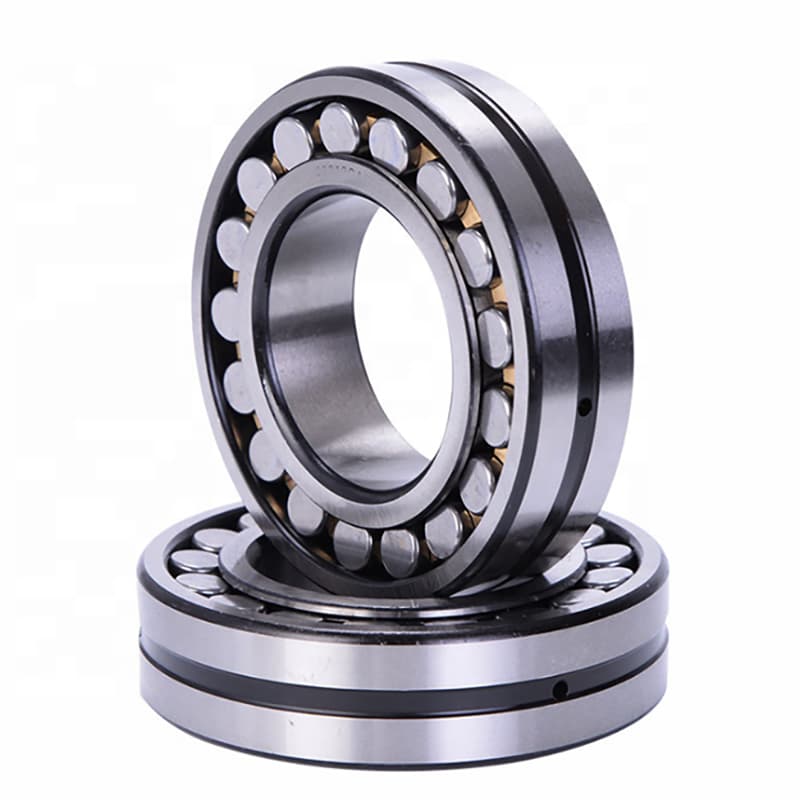
This is not about one being better than the other. It’s about matching the bearing’s inherent strengths to the specific challenges of your application. A deep understanding of their differences prevents misapplication and ensures optimal machine performance, longevity, and cost-effectiveness. Let’s explore the defining characteristics and ideal use cases for each.
What is the difference between spherical and cylindrical roller bearings?
The difference lies in their geometry and what that geometry allows them to tolerate. A spherical roller bearing’s design forgives real-world imperfections, while a cylindrical roller bearing’s design maximizes efficiency under perfect conditions.
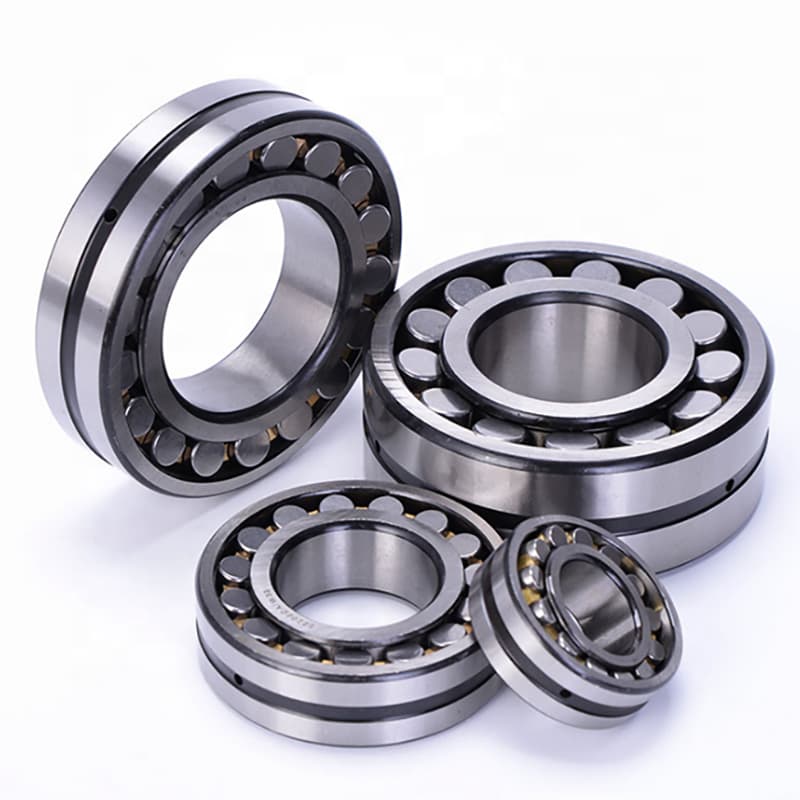
The fundamental difference is in their internal geometry and alignment capability1. Spherical roller bearings have barrel-shaped rollers that run on a spherical raceway in the outer ring, allowing them to self-align2 and accommodate shaft misalignment. Cylindrical roller bearings have straight (cylindrical) rollers that run on flat raceways, offering no self-align2ment but providing the highest pure radial load capacity3 and suitability for high speeds4.
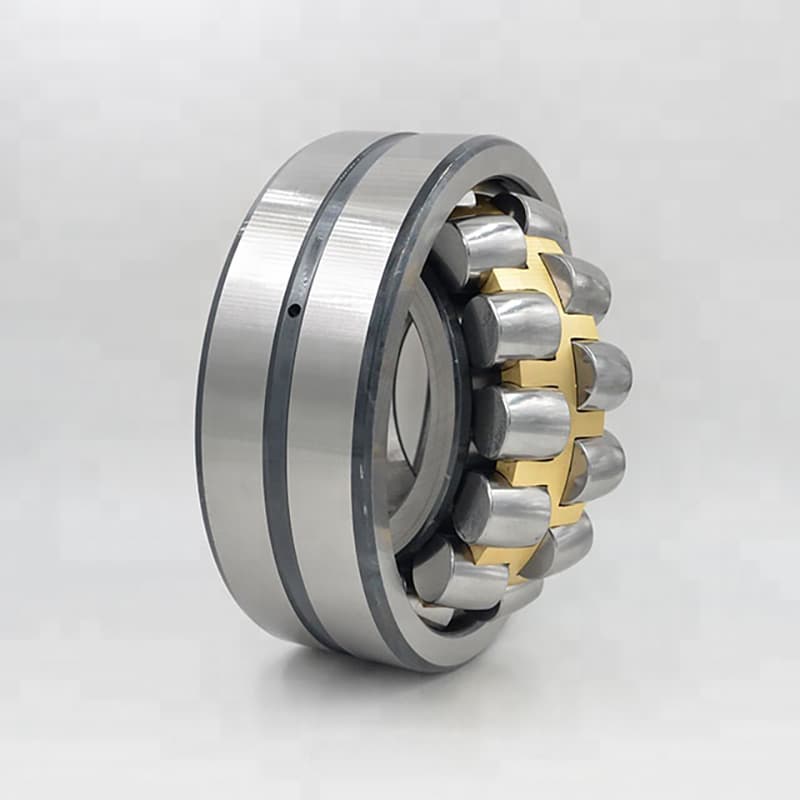
The Geometry of Forgiveness vs. The Geometry of Precision
The visual difference is clear, but the operational consequences of that geometry are profound. Let’s break down how each design element translates into performance.
Spherical Roller Bearing (The "Forgiving" Workhorse):
- Roller Shape: Barrel-shaped (spherical).
- Raceway: The outer ring has a spherical (concave) raceway. The inner ring has two angled raceways.
- Key Feature – Self-Alignment: Because the rollers conform to the spherical outer ring, the entire inner ring and roller assembly can pivot within the outer ring. This accommodates static misalignment (from installation errors) and dynamic misalignment (from shaft deflection under load). Typical allowable misalignment is 1.5 to 3 degrees.
- Load Profile: Excellent radial load capacity3 (due to line contact). Good axial (thrust) load capacity in both directions, though not its primary strength.
Cylindrical Roller Bearing (The "Precise" Powerhouse):
- Roller Shape: Straight, cylindrical.
- Raceway: Flat, parallel raceways on both inner and outer rings.
- Key Feature – High Radial Stiffness & Capacity: The full-length line contact between perfectly straight rollers and flat raceways provides the maximum possible radial load capacity3 for a given size. The design is extremely rigid.
- Key Limitation – No Self-Alignment: It has almost zero tolerance for misalignment (typically < 0.1°). Any angular misalignment causes the rollers to contact the raceway edges, leading to stress concentration, heat, and rapid failure (edge loading).
- Load Profile: Exceptional pure radial load capacity3. Most types have very limited axial load capacity (some, like NJ type, can handle limited one-direction axial load via flanges).
Summary of Core Differences:
| Characteristic | Spherical Roller Bearing | Cylindrical Roller Bearing |
|---|---|---|
| Alignment Tolerance | Excellent (Self-aligning) | Poor (Rigid) |
| Radial Load Capacity | Very High | Highest |
| Axial Load Capacity | Good (Both Directions) | Very Low to None (Type dependent) |
| Friction & Speed | Higher friction, lower limiting speed. | Lower friction, higher limiting speed. |
| Typical Series | 22200, 22300, 23000, 23100 | NJ, NU, N, NF (single/double row) |
For a machinery designer in Germany or a maintenance engineer in a South African mine, this distinction is critical. If their housing bores are not perfectly co-axial or the shaft deflects, a spherical roller bearing is the only safe choice. At FYTZ, we produce both types because they serve different market needs. Understanding this difference is the first step in our technical discussions with clients.
When to use different types of bearings?
Bearing selection is not guesswork; it’s a logical process of elimination based on application demands. Using a deep groove ball bearing for a heavy load or a tapered roller bearing where thrust loads reverse direction are common errors that stem from not following a selection logic.
You choose different bearing types based on the primary forces and conditions: use deep groove ball bearings1 for combined loads at high speed; tapered roller bearings2 for high combined loads in one direction with rigidity; spherical roller bearings3 for heavy radial loads with misalignment; and cylindrical roller bearings4 for the highest pure radial loads with perfect alignment. The environment, speed, and precision are also deciding factors.
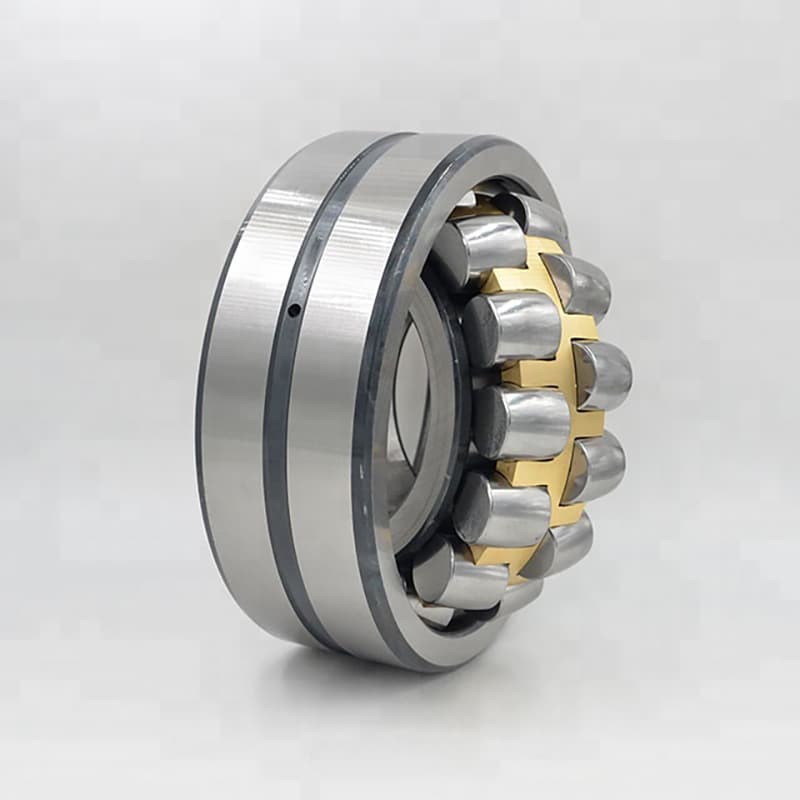
A Practical Selection Framework Based on Load and Condition
The question "when to use" is answered by a series of questions about the application. This framework helps narrow down the options from the broad family of bearings to the most suitable type.
Step 1: Analyze the Load Profile
- Is the load primarily radial, axial, or combined? This is the first filter.
- Is the load steady, variable, or shock? Shock loads favor designs with more robust elements or ductile cores (like case-carburized spherical rollers).
Step 2: Assess Alignment and Rigidity Needs
- Is there potential for misalignment? This could be from installation, housing weld distortion, or shaft deflection. If yes, self-aligning bearings5 (spherical roller, some ball bearings) are mandatory.
- Does the shaft need extremely rigid, precise positioning? If yes, consider preloaded tapered roller or cylindrical roller bearings4.
Step 3: Consider Operational Parameters
- Speed (RPM): Ball bearings generally handle higher speeds than roller bearings. Among rollers, cylindrical types can run faster than spherical types.
- Environment: Dirty, wet, or corrosive environments demand specific seals and materials.
Application-Driven Selection Guide:
| If Your Application Has… | Then Strongly Consider This Bearing Type | Reason |
|---|---|---|
| Heavy Radial Load, Misalignment, Moderate Axial Load | Spherical Roller Bearing. | Self-alignment prevents edge loading; handles the load combination. |
| Extremely Heavy Pure Radial Load, Perfect Alignment, High Speed | Cylindrical Roller Bearing (e.g., NU type). | Maximum radial capacity and efficiency. |
| Combined Loads, Need for High Rigidity & Precision Adjustment | Tapered Roller Bearing (paired). | Can be preloaded to eliminate play; handles defined thrust. |
| Moderate Combined Loads, High Speed, General Purpose | Deep Groove Ball Bearing. | Versatile, efficient, cost-effective. |
For a buyer like Rajesh, this framework is invaluable. When a customer from a local cement plant asks for a bearing for a fan shaft, Rajesh can ask: "Is the fan housing on a concrete base (stable, good alignment) or on a steel frame (can flex)?" The answer guides him to recommend either a cylindrical roller bearing for the stable base or a spherical roller bearing for the flexible frame. This consultative approach builds his reputation as a knowledgeable supplier. At our factory, we use similar logic when advising our OEM clients on the best bearing for their new machine design.
What are spherical roller bearings used for?
Spherical roller bearings are the problem-solvers for difficult, heavy-duty applications. They are used where other bearings would give up due to harsh conditions. Their use is defined by the challenges they overcome.
Spherical roller bearings are used in heavy machinery applications that experience high radial loads1, potential shaft or housing misalignment, moderate axial loads, and harsh environments2. Common uses include vibrating screens3, conveyor systems, gearboxes, fans, pumps, paper mill rolls, and construction/mining equipment where reliability under duress is critical.
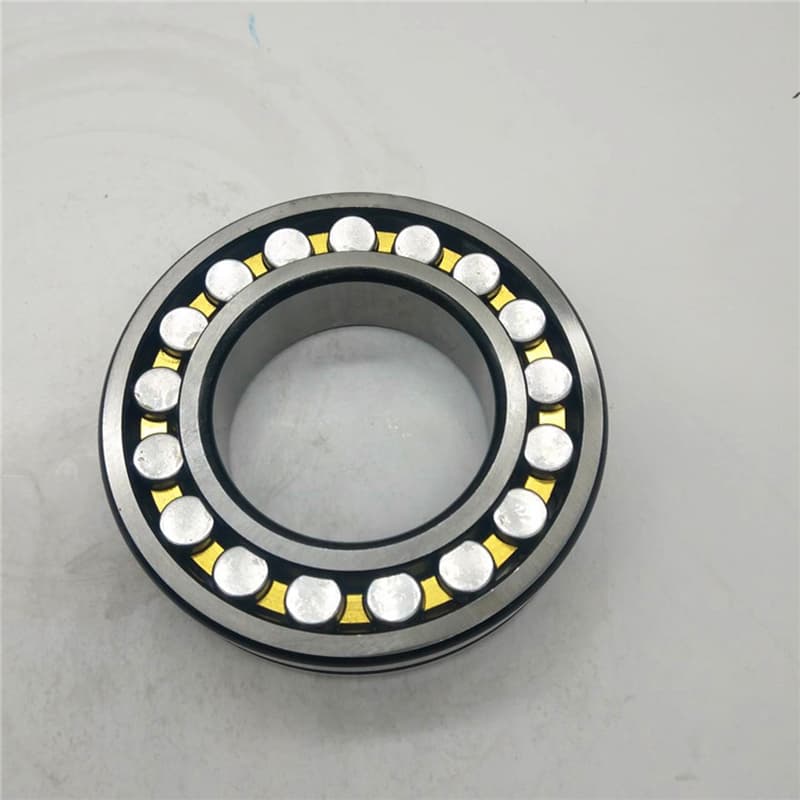
The Domain of the Durable: Industries and Machines That Rely on Spherical Rollers
The applications for spherical roller bearings are a list of the toughest jobs in industry. They are not found in delicate instruments; they are found in the heart of production where downtime costs thousands per hour.
Their usage is clustered in industries where one or more of the following conditions are present:
- High Load with Shock: Material handling and processing.
- Inherent Misalignment: Long shafts, welded frames, or equipment subject to impact.
- Harsh Contamination: Dust, grit, moisture.
Industry-Specific Applications:
| Industry | Typical Machine & Location | Why Spherical Roller Bearings Are Used |
|---|---|---|
| Mining & Aggregate | Vibrating screen bearings, crusher main bearings, conveyor head/tail pulleys. | Massive shock loads, constant vibration (misalignment), abrasive dust. Self-alignment is critical. |
| Metal Production | Rolling mill backup rolls, continuous caster segments. | Immense radial forces, high temperatures, and potential for housing distortion. |
| Pulp & Paper | Dryer drum bearings, press roll bearings. | Very long, heavy rolls cause shaft deflection (misalignment). Bearings must accommodate this bend. |
| Power Generation | Wind turbine gearboxes, large induced draft fans. | High torque in gearboxes, heavy fan blades causing shaft deflection. |
| Agriculture | Combine harvester final drives, tractor PTO shafts. | Heavy loads, uneven terrain causing frame twist (misalignment), exposure to dust and mud. |
The "Why" Behind the Use:
In each case, the spherical roller bearing is selected because it offers a combination of high load capacity4 and misalignment accommodation. For example, on a conveyor head pulley, the weight of the belt and material creates a heavy radial load. The pulley itself can sag slightly, and the mounting plates can be imperfect. A cylindrical roller bearing would see this as misalignment and fail. The spherical roller bearing simply adjusts, distributing the load evenly across all rollers.
At FYTZ, a significant portion of our production is spherical roller bearings destined for these very industries. We supply them to OEMs building new mining equipment for Chile and to distributors like Rajesh who supply the replacement market for existing plants in India. We often configure these bearings with C3 clearance5 for thermal expansion, W33 lubrication grooves for easy maintenance, and robust seals for the environment. This makes them application-ready for their demanding roles.
Why use cylindrical roller bearings?
Cylindrical roller bearings are specialists. They are not general-purpose components. Using them where their specific strengths are not needed is a waste of their potential and may introduce unnecessary limitations (like sensitivity to misalignment).
Cylindrical roller bearings are used because they provide the highest possible radial load capacity for a given cross-section1, have low friction allowing for high-speed operation2, and certain types (like NU, NJ) allow free axial movement of the shaft3, making them ideal as "floating" bearings to accommodate thermal expansion in combination with a fixed bearing at the other end.
The Rationale for Choosing Precision and Pure Power
The decision to use a cylindrical roller bearing is a deliberate one, driven by specific performance requirements that other bearings cannot meet as effectively. They are the choice when radial load is the dominant, if not sole, consideration and the operating conditions are controlled.
Primary Reasons for Selection:
1. Maximum Radial Load Capacity:
The full line contact between the straight rollers and flat raceways distributes load over the largest possible area. This gives them the highest dynamic (C) and static (C0) radial load ratings of any common bearing type for a given bore and outer diameter. When a machine component, like a large gear in a steel mill gearbox or the back-up roll in a paper machine, must support enormous weight and forces, cylindrical roller bearings are often the first choice.
2. High-Speed Capability:
Their design creates relatively low friction and heat generation compared to spherical roller bearings. With proper cage design (often a machined brass or polymer cage) and lubrication (often oil jet or oil mist), they can operate at very high speeds (high dn values). This makes them suitable for machine tool main spindles and high-performance gearboxes.
3. Precision and Rigidity:
They provide extremely precise radial guidance of the shaft with minimal play (when properly fitted). This rigidity is essential in applications like precision grinding spindles4 where any deflection under cutting load would ruin the workpiece.
4. Free Axial Movement (Floating Bearing Function):
Types like NU (inner ring flanged, outer ring free) and N (both rings free) are specifically designed to allow the shaft to move axially through the bearing. This is critical in long shaft systems. One end of the shaft is located axially by a fixed bearing (like a deep groove ball bearing or a paired tapered roller bearing). The other end uses an NU cylindrical roller bearing5 as the floating bearing. It supports the radial load but allows the shaft to expand and contract with temperature changes without creating destructive axial forces.
Ideal Application Scenarios:
| Application | Why a Cylindrical Roller Bearing is Used | Typical Bearing Type |
|---|---|---|
| Electric Motor (Large) | Support the heavy rotor weight (radial load) with high efficiency and speed. | NJ type with flanges for slight axial location. |
| Machine Tool Spindle | High rigidity for precision, ability to run at very high speeds. | NN type (double row) or high-precision single row. |
| Gearbox Intermediate Shaft | Support high radial gear forces; often used as the floating end. | NU type. |
| Rolling Mill Work Rolls | Support extreme radial rolling forces; axial load handled separately. | Multi-row cylindrical roller bearings. |
For our clients in sectors like machine tool manufacturing or electric motor production, cylindrical roller bearings are a key component. We at FYTZ produce precision-grade (P5, P6) cylindrical roller bearings for these demanding applications. When a gearbox manufacturer in Italy needs a reliable floating bearing solution, they can source our NU series bearings with confidence, knowing they provide the necessary radial support and axial freedom. For distributors, understanding this "why" helps them match the right bearing to sophisticated customer needs beyond simple replacement.
Conclusion
Use spherical roller bearings where misalignment and combined loads are present in harsh, heavy-duty environments. Choose cylindrical roller bearings for maximum radial capacity, high speeds, and precision in well-aligned systems, often as floating bearings.
-
Understanding this capacity helps in selecting the right bearing for heavy-duty applications. ↩ ↩ ↩ ↩
-
Explore how low friction enhances performance in high-speed machinery. ↩ ↩ ↩ ↩ ↩
-
Learn why axial movement is crucial for thermal expansion in machinery. ↩ ↩ ↩ ↩ ↩ ↩ ↩
-
Understand the importance of precision in grinding applications. ↩ ↩ ↩ ↩ ↩
-
Explore the unique features of NU bearings for floating applications. ↩ ↩ ↩