

A failing motor bearing doesn’t just stop a machine; it can destroy the entire motor. The right bearing check can prevent catastrophic failure and costly rewinds.
For electric motors, you must check the bearing’s internal clearance (C3 is often needed), precision grade (ABEC 1/P0 or better), cage material (steel or polymer for low noise), and seal type (ZZ for high speed, 2RS for dirty environments). Verifying these specs ensures quiet operation, long life, and prevents motor damage.
Deep groove ball bearings are the heart of most industrial electric motors. They seem simple, but specifying or replacing them incorrectly leads to immediate problems: noise, overheating, premature failure, and even stator-rotor contact. For engineers designing motors and for buyers like Rajesh supplying repair shops, knowing exactly what to check is the difference between a reliable product and a callback nightmare. Let’s go through the critical inspection and specification points.
Inspection is your first line of defense. It tells you if a bearing is healthy, needs monitoring, or must be replaced immediately before it causes a major breakdown.
You inspect motor bearings through a combination of sensory checks: listening for unusual noises (grinding, screeching), feeling for excessive vibration or heat, and visually examining for grease leakage or discoloration. For a definitive check, the bearing should be removed, cleaned, and manually inspected for smooth rotation, play, and internal damage.
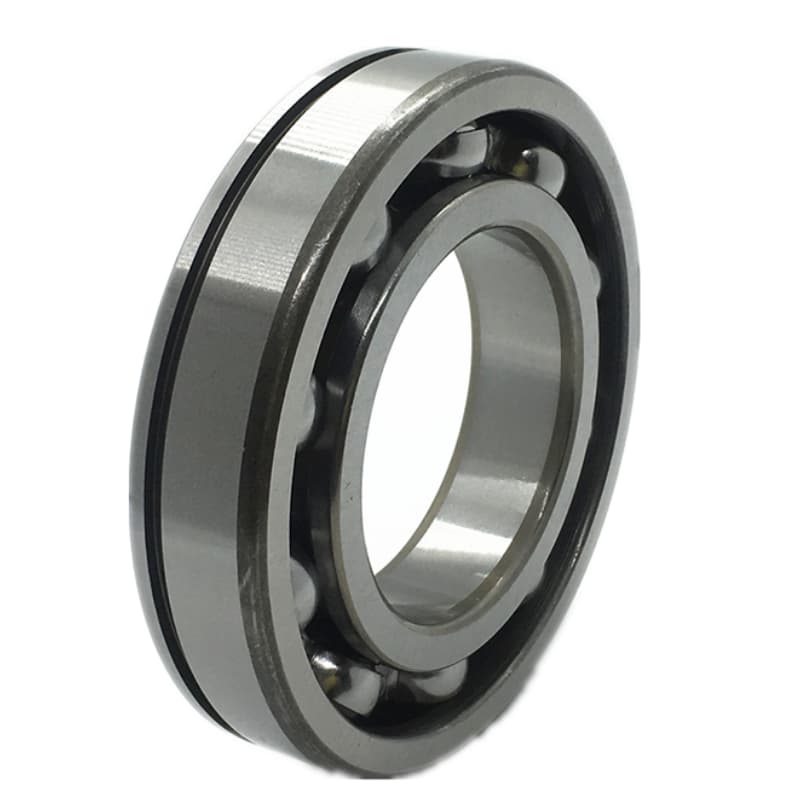
A systematic inspection process catches problems early. It moves you from reactive firefighting to predictive maintenance.
Effective inspection happens in two stages: in-operation checks and hands-on physical examination.
Stage 1: In-Operation Inspection (The Motor is Running)
This is non-invasive and should be part of regular maintenance rounds.
Stage 2: Physical Inspection (The Bearing is Removed)
This is done during planned maintenance or after an in-operation check signals trouble.
Inspection Documentation and Decision Making
Create a simple log for each motor. Note the date, noise level, vibration reading, and temperature. A trend of increasing vibration is a sure sign the bearing is degrading. This data allows you to plan a replacement during the next scheduled shutdown, avoiding an unplanned failure.
For a distributor like Rajesh, this knowledge helps him support his customers. When a motor repair shop customer complains about a bearing failing quickly, Rajesh can ask about their inspection process. Were there signs of overheating? Was the bearing clean when installed? This helps diagnose whether the bearing was defective or failed due to installation or environmental issues, guiding a better solution for the next replacement.
Knowing the parts is fundamental. It helps you understand how the bearing works, what can go wrong, and how to discuss specifications with suppliers.
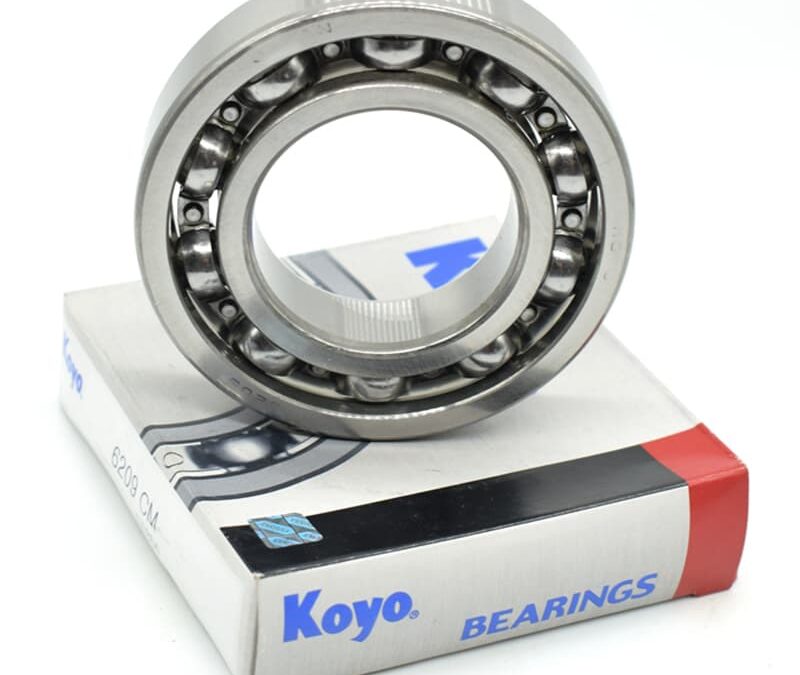
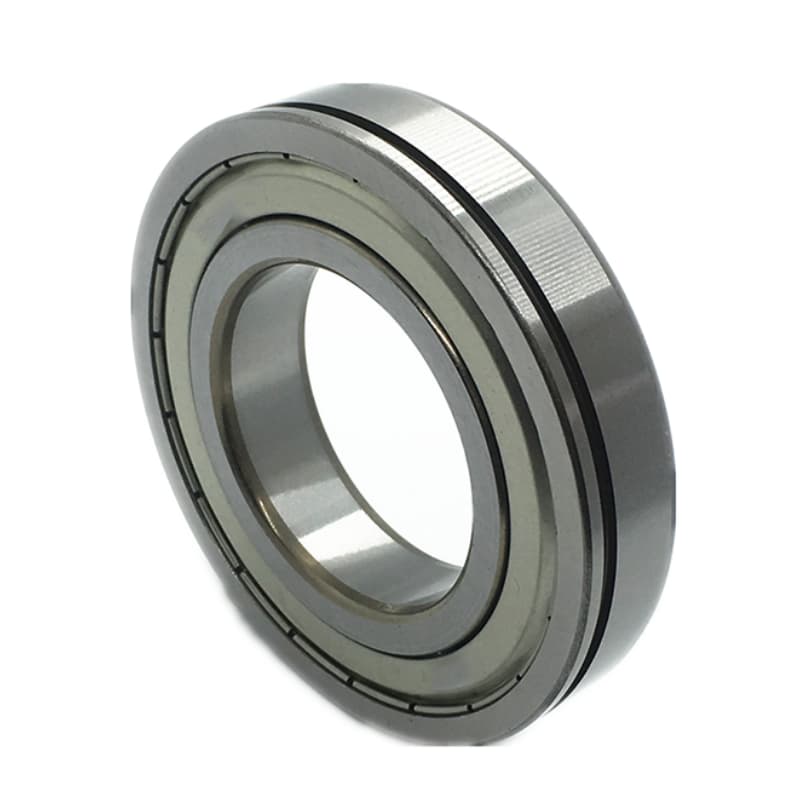
The four major parts of a deep groove ball bearing are the inner ring, the outer ring, the balls (rolling elements), and the cage (retainer). The rings provide the raceways for the balls to roll on, while the cage spaces the balls evenly to prevent contact and guide their motion.
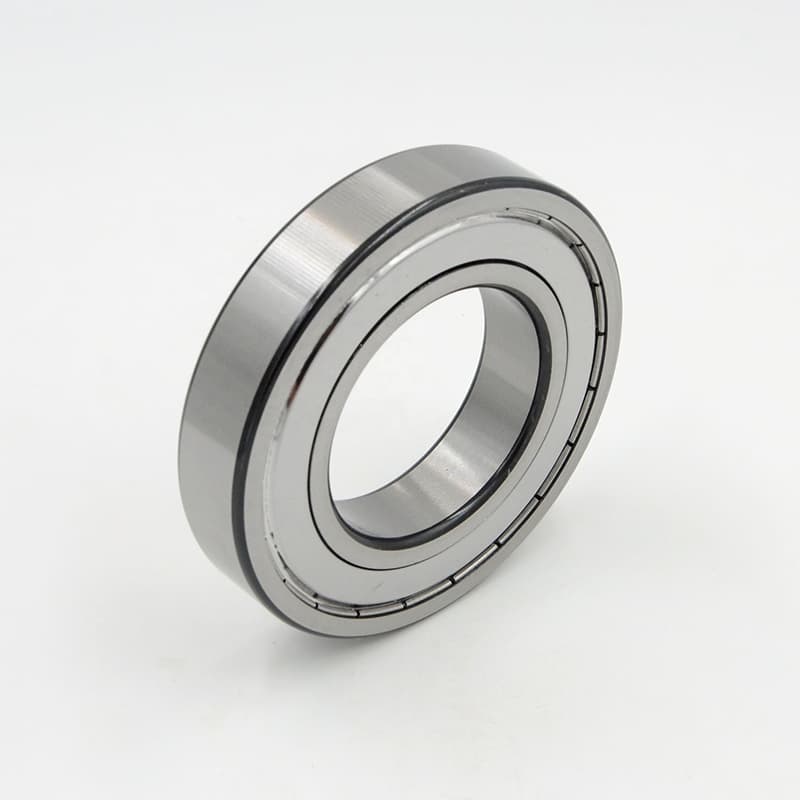
Each part has a specific function and its own set of quality and material requirements. The interaction between these parts defines the bearing’s performance.
Let’s examine each part, its purpose, common failure modes, and what to look for in a quality bearing.
1. Inner Ring
2. Outer Ring
3. Balls (Rolling Elements)
4. Cage (Retainer or Separator)
How the Parts Work Together
The geometry is precise. The curvature of the raceways (conformity) is designed to control stress. The internal clearance (the space between the balls and raceways) is carefully controlled to allow for thermal expansion without creating preload. For motor bearings, a C3 clearance is often specified because the inner ring (on the rotor) gets hotter than the outer ring (in the cooler housing), reducing clearance during operation.
Procurement Insight
When Rajesh sources deep groove bearings for the motor repair market, he must ensure all four parts are made to high standards. A bearing with a perfect inner ring but poor-quality balls will still fail quickly. At FYTZ, we control the quality of all four components: using vacuum-degassed steel for rings and balls, precision grinding for raceways, and offering cage options (like our low-noise PA66 cage series) specifically for the motor industry. This allows Rajesh to offer a product that meets the exact needs of his customers.
Bad bearings announce their failure, but you need to know the language. Ignoring the early warnings leads to a much more expensive repair.
You can tell electric motor bearings are bad by clear signs: unusual noise (grinding, rumbling, high-pitched whine), excessive vibration you can feel or measure, heat buildup on the bearing housing, and visible signs like grease leaking from seals or the motor shaft having too much play when pushed/pulled.
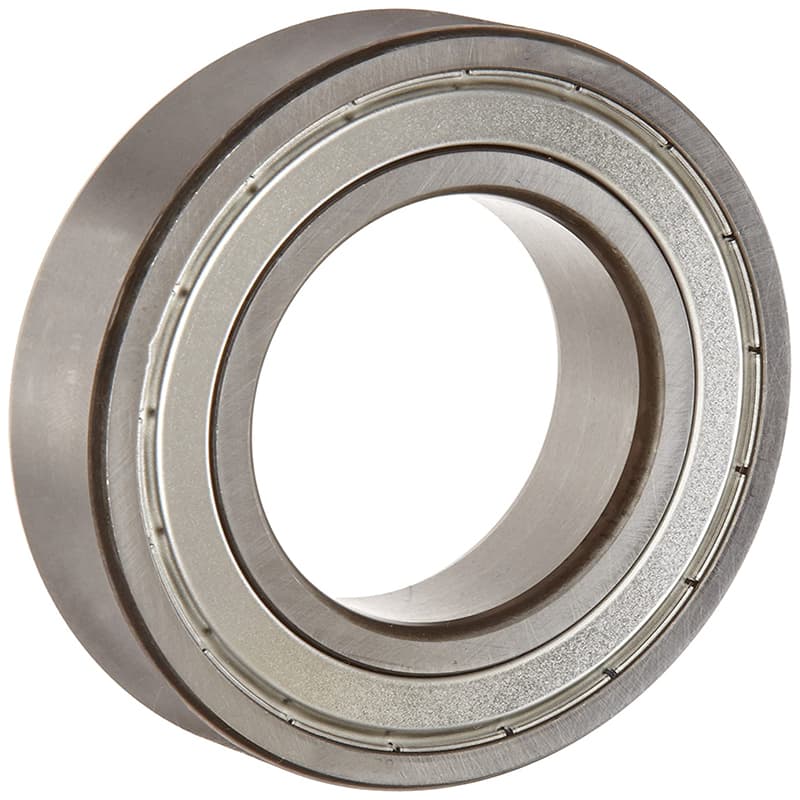
Failure rarely happens instantly. It progresses through stages. Recognizing the stage helps you plan the repair and avoid collateral damage.
Let’s correlate specific symptoms with the likely internal problem. This turns observation into actionable diagnosis.
Early Stage Warnings (Time to Plan Maintenance)
These signs indicate wear has started but catastrophic failure is not imminent.
Intermediate Stage Warnings (Schedule Repair Soon)
The problem is advancing. Risk of sudden failure increases.
Late Stage / Imminent Failure (Shut Down Immediately)
At this point, the bearing is actively destroying itself and the motor.
The Domino Effect of a Bad Bearing
A failing bearing doesn’t just make noise. It can cause:
Practical Advice for Buyers and Technicians
For Rajesh’s customers in motor repair shops, this diagnostic guide is a service tool. Rajesh can provide a simple checklist: "Listen, Feel, Look, Measure." When a customer brings in a noisy motor for a bearing, Rajesh can ask what symptoms it showed. If the customer says "screeching and hot," Rajesh knows to also recommend checking the shaft for damage and possibly offering a higher-temperature grease for the replacement. This comprehensive advice makes him a partner in the repair, not just a parts supplier.
Inspection is a targeted search for specific defects. Knowing what to look for turns a casual glance into a professional assessment.
When inspecting bearings, you are looking for physical damage1 (pitting, cracks, scoring), signs of wear (loss of clearance, polished paths), lubrication issues2 (discolored or contaminated grease, dryness), installation damage (brinelling, misaligned seals), and corrosion (rust, etching).
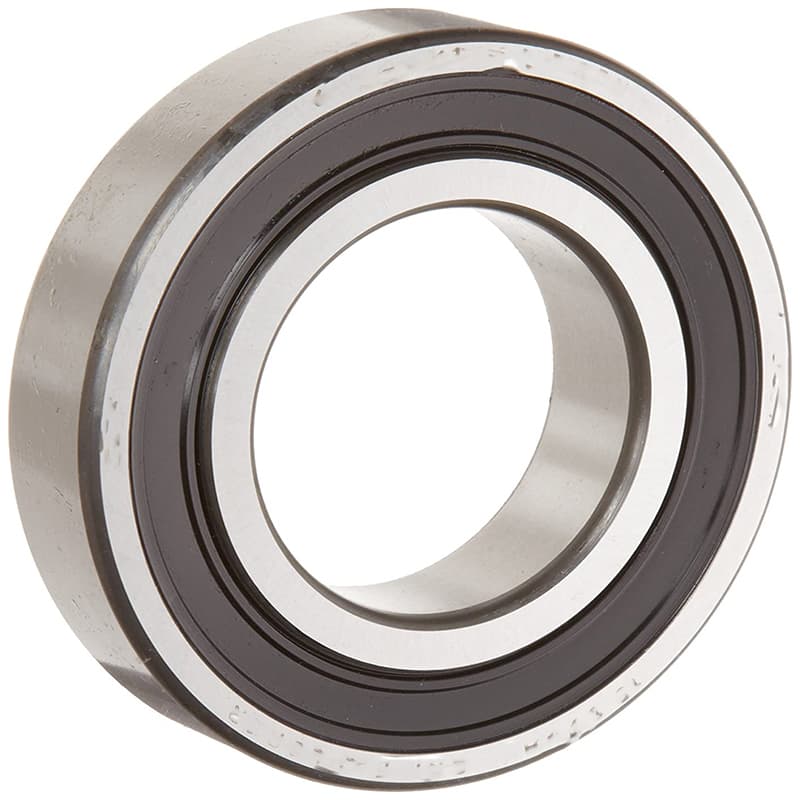
Your eyes and fingers are powerful diagnostic tools. Each visual or tactile clue points to a specific failure mechanism and root cause.
Break down the inspection into categories. For each category, know the defect, its appearance, and its likely cause.
1. Visual Inspection for Surface Defects
2. Tactile and Functional Checks
3. Lubrication Inspection
4. Seal/Shield Inspection
5. Corrosion Inspection
Creating an Inspection Report
For critical applications, document your findings. A simple table helps:
| Bearing Component | Observation | Defect Type | Probable Cause | Action |
|---|---|---|---|---|
| Inner Ring Raceway | Scratches along direction of rotation. | Scoring. | Abrasive contamination. | Replace bearing. Improve sealing. |
| Grease | Black, thin, smells burnt. | Degraded. | Overheating. | Check for overload/misalignment. Use high-temp grease. |
| Cage | Slightly deformed, ball pockets enlarged. | Wear. | High vibration, material fatigue. | Replace with bearing with robust cage. |
The Role of the Distributor in Quality Assurance
For Rajesh, understanding these defects is part of quality control. When he receives a shipment from his supplier FYTZ, he should do a sample inspection. He should check for visible machining marks, smooth rotation, and proper stamping. More importantly, when a customer returns a failed bearing, Rajesh should perform this inspection himself. If he sees clear signs of contamination (scoring) or installation damage (brinelling), he can explain this to the customer. This protects his company from unjustified claims and helps the customer correct their maintenance practices. It elevates his business from transaction to consultation.
Inspecting and specifying deep groove ball bearings for electric motors requires a methodical approach: knowing the critical parts, recognizing the symptoms of failure, and systematically checking for specific defects. This knowledge enables proactive maintenance, ensures correct replacement, and protects motors from catastrophic, costly damage.