
Finding reliable tapered roller bearings feels like a constant battle. You want high performance, but quality issues and unclear specifications create endless problems. I face these challenges every day with my clients. Let’s break down what truly matters for reliable operation.
The best roller bearings combine superior materials, precise engineering, and rigorous testing. Premium quality tapered roller bearings are specifically designed for reliable, heavy-duty operation, offering exceptional radial and axial load capacity. They ensure smooth performance in demanding applications, from industrial gearboxes to automotive systems. At FYTZ Bearing, we achieve this through integrated production and strict quality control from raw material to final inspection.

You now understand the core value of premium tapered roller bearings. But how do you identify the best supplier or the right product for your specific needs? The market is full of claims. The following sections will give you clear answers. We will explore top manufacturers, technical capabilities, and honest assessments to help you make an informed decision. Keep reading to gain the practical knowledge you need for your next procurement.
Who makes the best roller bearings?
Choosing the best roller bearing manufacturer can be overwhelming. You are flooded with brands, each claiming superiority, leaving you unsure who to trust for your critical machinery needs. This confusion often leads to costly downtime and repairs. I’ve seen many clients struggle with this exact problem before they come to us.
The "best" manufacturer depends on your specific needs for quality, budget, and application. Globally, renowned leaders include SKF, Timken, NSK, and Schaeffler. For a balance of premium quality and competitive value, especially in wholesale B2B markets, established factories like FYTZ Bearing in China are a top choice. We offer OEM/ODM solutions that meet international standards.
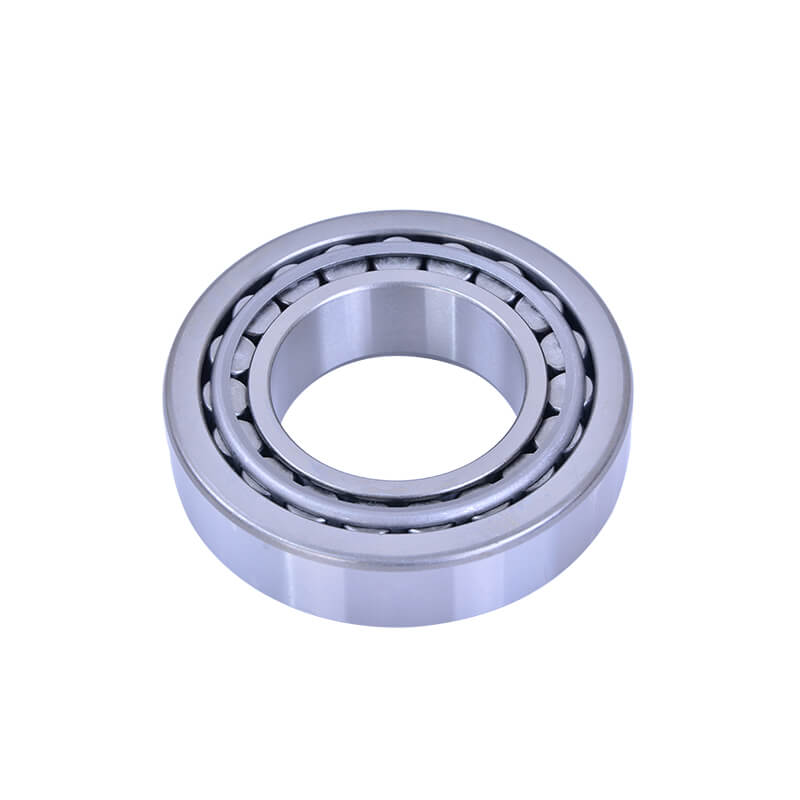
To dive deeper, we need to move beyond brand names and look at concrete factors. The title of "best" is not absolute. It is defined by how well a supplier matches your project’s technical requirements, commercial terms, and reliability expectations. Let’s break this down into key decision-making criteria.
Key Factors Defining the "Best" Manufacturer
The search for the best partner should be systematic. You should evaluate manufacturers across several critical dimensions, not just price or name recognition. Here is a structured comparison to guide your assessment:
| Evaluation Criteria | Global Tier-1 Brands (e.g., SKF, Timken) | Premium OEM/Factory (e.g., FYTZ Bearing) | Considerations for Your Business |
|---|---|---|---|
| Primary Strength | Brand recognition, extensive R&D, global technical support. | High cost-performance ratio, customization flexibility, direct factory pricing. | Do you need the brand name for your end-users, or is proven performance sufficient? |
| Target Market | End-users requiring original part replacement, high-precision niche industries. | B2B wholesalers, distributors, machinery OEMs, price-sensitive yet quality-conscious markets. | Our typical clients, like Rajesh in India, supply repair shops needing reliable stock. |
| Pricing Model | Premium pricing, includes brand value and extensive distribution network costs. | Competitive wholesale pricing, optimized for bulk container orders (3-5 containers/year). | For medium-sized importers, margin is crucial. Our model protects your profit. |
| Customization | Limited; primarily standard catalog items. | High flexibility for OEM/ODM. We adjust dimensions, seals, grades (like P5/P6), and packaging. | Essential if you supply to manufacturers with specific design needs. |
| Quality & Precision | Consistently very high, with advanced metallurgy. | Capable of reaching high precision (P5/P6), with integrated production and inspection lines for control. | For automotive and industrial applications, our bearings offer long service life and low noise. |
| Supply Chain & Lead Time | Can be longer, dependent on regional stock. | Direct from factory, better control over production schedules, often shorter lead times for bulk. | Reduces inventory risk and ensures you can meet your customers’ demands promptly. |
| Best For | Situations where the brand itself is a specification or for ultra-high-precision applications. | Reliable, high-load capacity bearings for general industrial, automotive, and agricultural use. | Perfect for markets in Turkey, Russia, Brazil, India, and across Southeast Asia and Africa. |
My personal experience confirms this analysis. Many of our long-term partners initially sourced from various channels. They faced inconsistent quality and communication barriers. After switching to a direct factory relationship with us, they gained stability. They appreciate our transparent process, from material certification to final pre-shipment inspection reports. The "best" manufacturer is the one that integrates seamlessly into your business model, becoming a reliable extension of your supply chain. For a wholesale buyer, this means a partner who ensures your product is reliable, your costs are predictable, and your supply is uninterrupted.
Which tapered roller bearing is able to withstand the most radial load?
Your gearbox design is pushing limits, or a crusher in a mine keeps failing. You need a bearing that won’t buckle under extreme pressure. Simply picking a "heavy-duty" option from a catalog isn’t enough. The wrong choice leads directly to catastrophic equipment failure and lost production.
The tapered roller bearing able to withstand the most radial load is typically a single-row bearing with a large roller diameter, a steep contact angle (typically >20°), and made from high-grade, case-hardened steel. However, the highest overall load capacity often comes from a TDO (Two-Row Tapered Roller Bearing) or TTSP (Tapered Roller Bearing with Spherical Outer Ring) configuration, which effectively doubles the load-carrying points.
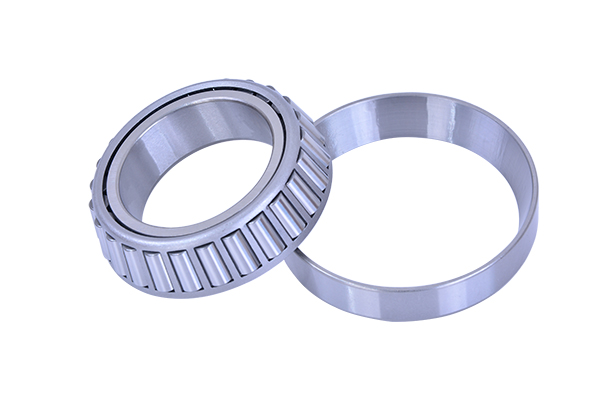
Knowing which type has high capacity is just the start. The real answer lies in understanding the engineering principles behind load capacity. It’s a combination of design, material science, and manufacturing precision. Let’s explore what truly makes one bearing stronger than another.
The Engineering Behind Maximum Radial Load Capacity
Radial load capacity isn’t a single number on a datasheet. It’s the result of several interconnected factors working together. To specify the bearing with the maximum capacity for your application, you must consider these elements in combination.
1. Internal Geometry is Fundamental:
The bearing’s internal design dictates how force is distributed. A larger roller diameter spreads the load over a bigger contact area, reducing stress on any single point. A steeper contact angle (the angle between the line of contact of the roller and the bearing axis) allows the bearing to handle more radial load relative to axial load. For pure radial load scenarios, a design optimized for this condition is key. However, remember that in real-world applications, combined loads are common.
2. The Critical Role of Material and Heat Treatment:
The best design fails with poor material. Bearings for extreme radial loads use high-carbon chromium steel (like SAE 52100) or similar alloys. The metallurgy must be clean, with minimal impurities. The heat treatment process, specifically case hardening, is vital. It creates a hard, wear-resistant surface (around 60-65 HRC) to handle contact stresses, while keeping the core tougher and more ductile to absorb shocks and prevent catastrophic cracking.
3. Precision Manufacturing for Even Load Sharing:
If rollers are not perfectly uniform in size and shape, or if the raceways are not perfectly aligned, the load will not be shared equally. One roller will take most of the force and fail prematurely. This is why precision classes like P5 and P6 matter immensely for high-load applications. They guarantee tighter tolerances on dimensions and running accuracy, ensuring every roller does its fair share of the work.
4. Configuration: Single-Row vs. Multi-Row:
- Single-Row High-Capacity: These are optimized with the features above. They are common and effective.
- TDO (Two-Row) Design: This is often the true champion for maximum radial load in a compact space. It essentially places two single-row bearings back-to-back or face-to-face in one unit, doubling the number of load-carrying rollers. For applications like rolling mill stands or large gearboxes, this is the preferred solution.
- Spherical Outer Ring (TTSP/TTSP-L): This design allows the bearing to self-align, compensating for shaft or housing misalignment. While this feature helps maintain capacity under imperfect conditions, the basic multi-row principle still provides very high radial load capability.
At our factory, when a client like an agricultural machinery manufacturer needs a bearing for a harvester’s main axle—a high radial load application—we don’t just ship a standard part. We review the load calculations, recommend the optimal configuration (often a specially lubricated and sealed TDO type), and ensure the manufacturing process meets the required P6 precision grade. The bearing that withstands the most load is the one engineered as a system, with every detail from steel sourcing to final grinding aligned with that singular goal.
What are the disadvantages of tapered roller bearings?
You’ve heard about their strength and versatility. It’s tempting to standardize on tapered roller bearings for every application. But this one-size-fits-all approach is a trap. Ignoring their limitations can lead to inefficient designs, higher costs, and premature failures in the wrong environment. I’ve helped clients troubleshoot issues that stemmed from using the right bearing in the wrong place.
The main disadvantages of tapered roller bearings include higher cost and complexity compared to ball bearings, sensitivity to misalignment which requires precise installation, generally higher friction and lower speed limits, and the need for careful adjustment of internal clearance during mounting. They are not a universal solution.
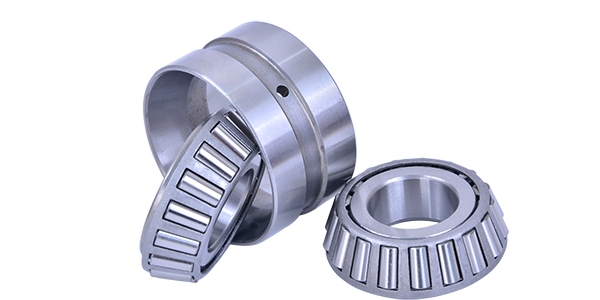
Acknowledging these drawbacks is a sign of good engineering, not a weakness. Understanding the "cons" allows you to make smarter decisions and use tapered roller bearings where they truly excel. Let’s examine each disadvantage in detail to know when to choose them and when to look for alternatives.
A Critical Look at the Limitations
Every engineering component involves trade-offs. Tapered roller bearings exchange some characteristics for their legendary load capacity. A clear understanding of these trade-offs is essential for optimal machine design and maintenance.
1. Cost and Design Complexity:
Tapered roller bearings are inherently more complex to manufacture than deep groove ball bearings. They consist of four distinct parts: the cone (inner ring), the cup (outer ring), the tapered rollers, and the cage (roller retainer). This complexity translates to a higher unit cost. Furthermore, they are usually supplied as separate components (cone and cup assembly), which adds complexity to the inventory and handling process for distributors.
2. Sensitivity to Misalignment and Installation Precision:
This is perhaps their most critical drawback. Tapered roller bearings are very intolerant of angular misalignment between the shaft and housing. Even a small misalignment can cause edge loading on the rollers and raceways, leading to a dramatic reduction in service life, increased noise, and heat generation. Their performance is heavily dependent on correct installation. The internal clearance (or preload) must be set accurately during mounting, which requires skill and proper tools. An incorrectly adjusted bearing will fail quickly, regardless of its quality.
3. Friction and Speed Limitations:
Due to the line contact between the rollers and raceways (as opposed to point contact in ball bearings), tapered roller bearings generate higher rolling friction. This higher friction results in greater heat generation at high speeds. Consequently, they have lower limiting speed ratings compared to equivalent-sized ball bearings or even cylindrical roller bearings. For very high-speed spindles or turbocharger applications, angular contact ball bearings are almost always a better choice.
4. Axial Space Requirement and Adjustment Needs:
Unlike a deep groove ball bearing which is often "ready-to-mount," a tapered roller bearing pair requires careful axial positioning to set the correct clearance. This often requires the use of spacers, shims, or adjustable nuts on the shaft. This adds to the design complexity and assembly time of the overall machine.
When Are These Disadvantages Acceptable?
The key is to play to their strengths. You accept these disadvantages when your primary need is high radial and axial load capacity in a combination load scenario. In a truck wheel hub, gearbox, or heavy-duty conveyor pulley—where loads are high, speeds are moderate, and the design can accommodate precise mounting—the disadvantages are outweighed by the unparalleled reliability and load-bearing capability. As a factory, we help clients navigate this by providing detailed mounting instructions, technical drawings, and sometimes even recommending alternative bearing types like spherical roller bearings if their application involves significant misalignment. Knowing the limits is the first step to maximizing the benefits.
Who makes tapered roller bearings?
You’re ready to place an order, but the supply chain feels opaque. You find trading companies, brand distributors, and factories all claiming to be manufacturers. This lack of clarity creates risk. How can you be sure of consistent quality and direct support? This uncertainty is the biggest hurdle for professional buyers like Rajesh.
Tapered roller bearings are made by a global ecosystem of manufacturers. This includes premium European/American brands (SKF, Timken, Schaeffler), major Japanese producers (NSK, NTN, KOYO), and a large number of capable factories in China and other Asian countries, such as FYTZ Bearing. The choice depends on your required quality tier, budget, and need for customization.
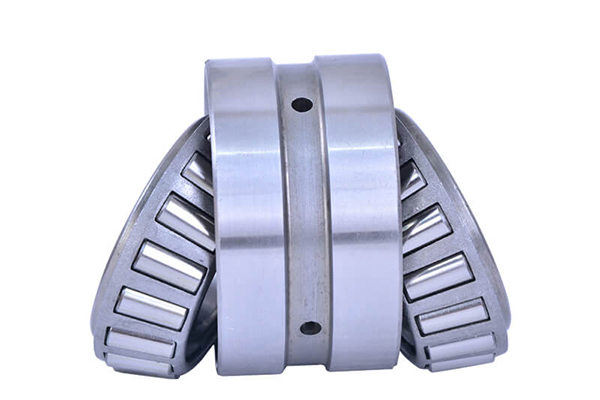
The landscape is vast. To make a smart sourcing decision, you need a map. It’s not just about finding a maker, but finding the right type of maker for your business model. Let’s categorize the players and understand what each offers to a B2B wholesale buyer.
Mapping the Global Manufacturing Landscape
Understanding who makes these bearings allows you to strategically position your procurement. Here is a breakdown of the different types of suppliers, their business models, and who they best serve.
| Manufacturer Tier | Typical Examples | Business Model & Reach | Key Characteristics for a Wholesaler/Importer |
|---|---|---|---|
| Tier 1: Global Premium Brands | SKF (Sweden), Timken (USA), Schaeffler (Germany: INA/FAG) | Global direct sales and extensive distributor networks. Strong brand equity. | Pros: Highest brand recognition, extensive technical resources, consistent top-tier quality. Cons: Highest price, limited customization for wholesalers, focus on end-user markets. |
| Tier 2: Major Japanese & Asian Brands | NSK, NTN, KOYO (Japan), Nachi (Japan), ILJIN (Korea) | Strong regional presence in Asia and globally. High-quality, technology-focused. | Pros: Excellent quality and precision, often good value between Tier 1 and Tier 3. Cons: Brand policies may restrict direct wholesale business with smaller importers. |
| Tier 3: Established Chinese & Asian Factories | FYTZ Bearing, other certified factories in China, India, etc. | Primarily B2B and OEM/ODM focused. Export-oriented with integrated production. | Pros: Best cost-performance ratio, high customization flexibility (OEM/ODM), direct factory communication, ideal for container-level wholesale. This is our core model. |
| Tier 4: Small Workshops & Traders | Numerous small, often un-branded workshops. | Low-cost, high-volume, commodity-grade production or pure trading. | Pros: Lowest possible price point. Cons: Highly inconsistent quality, unreliable metallurgy, minimal technical support, high business risk for professional distributors. |
For a business like IndoMotion Parts in India, sourcing from a Tier 3 established factory like ours is the strategic sweet spot. Here’s why:
- Control: We are a factory with integrated production lines—from forging and turning to heat treatment, grinding, and assembly. This gives us, and you, control over the entire process. You are not dealing with a middleman who cannot answer technical questions.
- Customization: You can get bearings tailored to your local market needs—specific clearance codes, special seal types for dusty environments, or branded packaging. This helps you build your own brand identity.
- Scalability & Trust: Our main export countries list—Turkey, Russia, Brazil, India, Egypt, Indonesia—shows we understand the needs and standards of developing industrial markets. We build relationships for 3-5 container annual orders, not just one-off sales.
- Quality Assurance: We offer precision classes like P5/P6, not just standard grade. Our integrated inspection means we test the material, the dimensions, and the running performance before shipment.
The question "Who makes tapered roller bearings?" has a layered answer. For a procurement manager, the more useful question is, "Who makes the right tapered roller bearings for my specific business?" For an importer supplying the industrial aftermarket, the partner is often a reliable, communicative, and flexible Tier 3 factory that acts as your dedicated production base overseas.
Conclusion
Choosing the right tapered roller bearing is about balancing performance, cost, and reliable supply. Focus on precise needs, understand both strengths and limits, and partner with a manufacturer that aligns with your business goals.